

TL;DR:
- Most people waste time scrolling through irrelevant results when searching for local activities; knowing how to refine searches saves time.
- Using intent-specific keywords, multiple platforms, and official city or library calendars helps uncover authentic, nearby experiences efficiently.
- Combining verified sources with a flexible approach enables both residents and travelers to discover meaningful activities without overwhelm or disappointment.
Searching for something fun to do nearby should take minutes, not an hour of scrolling through irrelevant results. The reality is that most people type "things to do near me" into Google and get back a wall of sponsored listings, outdated event pages, and options that have nothing to do with what they actually want. Knowing how to find local activities the right way changes all of that. Whether you are a resident looking to shake up your weekend routine or a traveler trying to squeeze real experiences into limited time, the right approach makes the difference between a forgettable afternoon and something you will actually talk about.
Table of Contents
- Key takeaways
- How to find local activities: start with what you actually want
- Top platforms for finding activities nearby
- Using official local resources for reliable activity planning
- Smart search techniques that uncover hidden gems
- Activity ideas for every situation and audience
- My take on finding local activities without the overwhelm
- Discover and book local experiences with Im-at
- FAQ
Key takeaways
| Point | Details |
|---|---|
| Define your search intent | Specifying time, budget, and group type before searching cuts through irrelevant results fast. |
| Use multiple platforms | Combining social apps, event marketplaces, and official calendars reveals both popular and hidden local events. |
| Trust official sources for details | City and library calendars provide the most reliable logistics, including registration requirements and accessibility info. |
| Verify before you go | Always cross-check event details on an official page after discovering them on an aggregator. |
| Match your search to your moment | Searching with context (free, this weekend, with kids) produces significantly more relevant results than broad queries. |
How to find local activities: start with what you actually want
Most searches fail before they even begin because people jump straight to a platform without stopping to define what they are actually looking for. Taking sixty seconds to get specific will save you thirty minutes of frustration.
Think through these variables before you open any app or browser:
- Time available: Are you looking for a two-hour option or a full-day excursion?
- Budget: Free, low-cost under $20, or open to a ticketed experience?
- Group type: Solo, couple, family with kids, or a group of adults?
- Indoor or outdoor: Is the weather a factor today?
- Energy level and mood: Do you want something active and physical or relaxed and social?
Once you have those answers, translate them directly into your search phrase. Search intent keywords like "free things to do near me this weekend" or "indoor activities for kids open now" produce dramatically more useful results than a generic "things to do" search. The specificity signals to both search engines and apps exactly what kind of activity you need.
The same logic applies to location. Searching by neighborhood or a specific district name rather than a broad city search gives you results that are actually walkable or a short drive away. If you are in Austin, searching "things to do in East Austin this weekend" is going to surface far more convenient options than "things to do in Austin."
Pro Tip: Try running your search at different times of day. Afternoon searches tend to surface parks and museums, while evening searches push restaurants and entertainment venues higher in results. Let search behavior work in your favor.
Top platforms for finding activities nearby
Once you know what you want, the next question is where to look. No single platform covers everything, which is why the best results come from using two or three sources together.
Here is a breakdown of the major platforms and what they do well:
| Platform | Best for | Key strength | Limitation |
|---|---|---|---|
| Facebook Events | Social gatherings, local community events | Shows which friends are attending | Many small events are not listed |
| Eventbrite | Ticketed events, workshops, concerts | Wide variety with solid filtering | Leans toward paid events |
| Meetup | Recurring group activities, hobbies | Strong for niche interests and regulars | Requires account sign-up |
| Instagram location tags | Trending spots and real-time activity | Visual, authentic local discovery | No event structure or scheduling |
| Yelp Events | Food, nightlife, and local happenings | Tied to venue reviews for context | Coverage varies by city |
| Time Out | Curated editorial picks | Highly vetted recommendations | Available in major cities only |
Facebook Events, Eventbrite, and Meetup each serve a slightly different purpose. Facebook is strong for seeing social proof because you can see which friends are going. Meetup is ideal when you want to find a running group, a board game night, or a hiking club that meets regularly. Eventbrite fills the middle ground for one-time ticketed experiences across categories.
Instagram location tags are underrated. Searching a neighborhood's location tag on Instagram shows you what people are actually doing right now in that area, including pop-up markets, outdoor concerts, and local gatherings that never get listed on formal event platforms.
For specific demographics, AARP's Events Finder offers filtered browsing by date and free event status, making it useful for older adults or anyone prioritizing no-cost options. The key is stacking these platforms. A quick fifteen-minute search across three of them gives you a clear picture of what is actually happening locally, both the big events and the smaller, more personal ones.
You can also check out this guide on local activity types for a structured breakdown of experience categories that helps frame what kind of outing fits your situation.
Using official local resources for reliable activity planning
Here is something most people skip entirely: official city and library event pages. These are genuinely some of the best resources for finding activities in my area, and they are almost always free to browse.
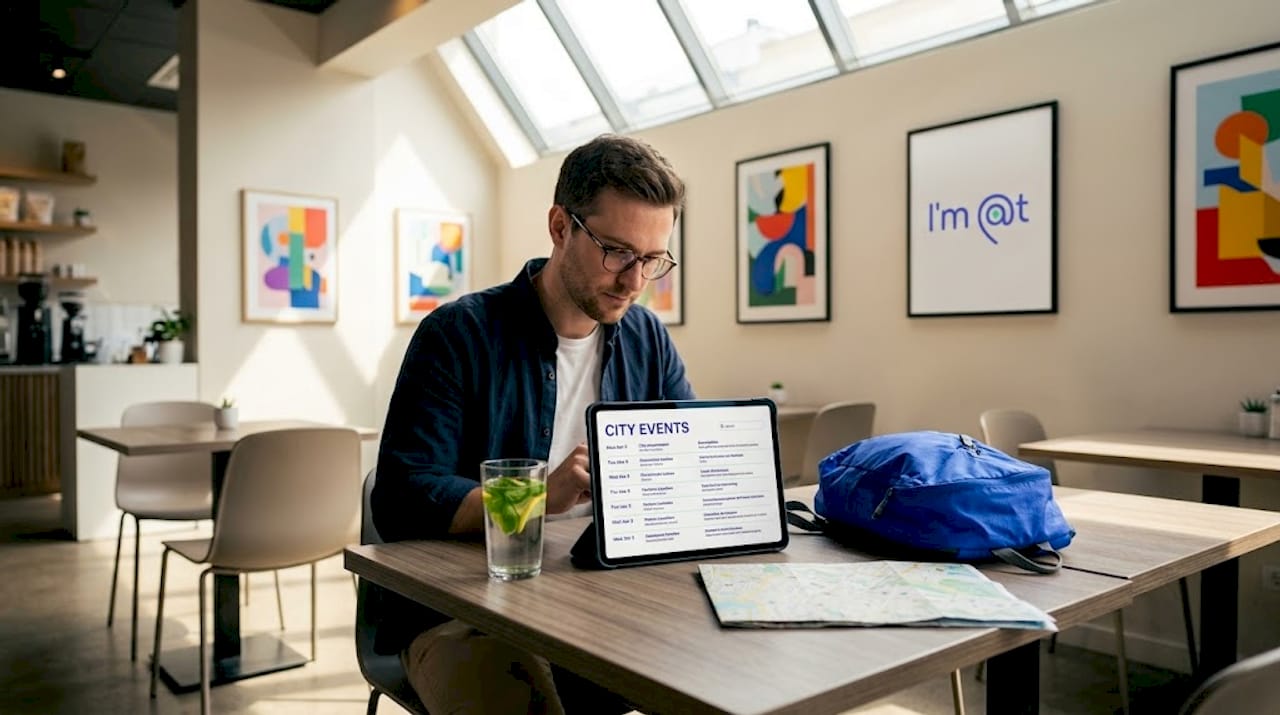
City government websites maintain event calendars that list festivals, farmers markets, public performances, and community programs. City event pages categorize activities by date and type, making it straightforward to filter for what is happening this week or this month. The City of Everett, for example, provides a full event calendar with category filters and date ranges that takes about two minutes to navigate.
Library systems are equally underutilized. Most public libraries run robust programming for all ages: craft workshops, author talks, language clubs, technology classes, and family storytimes. Library event pages from systems like the San Francisco Public Library include specifics that aggregator sites routinely leave out, including whether the event is drop-in or requires registration, what materials to bring, and what accessibility accommodations are available.
Here is how to put these resources to work:
- Search "[your city] official events calendar" or "[your city] parks and recreation calendar"
- Check your local library's website directly under "programs" or "events"
- Look for community center schedules, which often include fitness classes, art studios, and youth programs
- Sign up for email newsletters from city departments that match your interests
Pro Tip: Always verify event details on the official event page after finding something on a discovery platform. Aggregators frequently show outdated times, wrong dates, or missing registration requirements. Two minutes of verification prevents a wasted trip.
Smart search techniques that uncover hidden gems
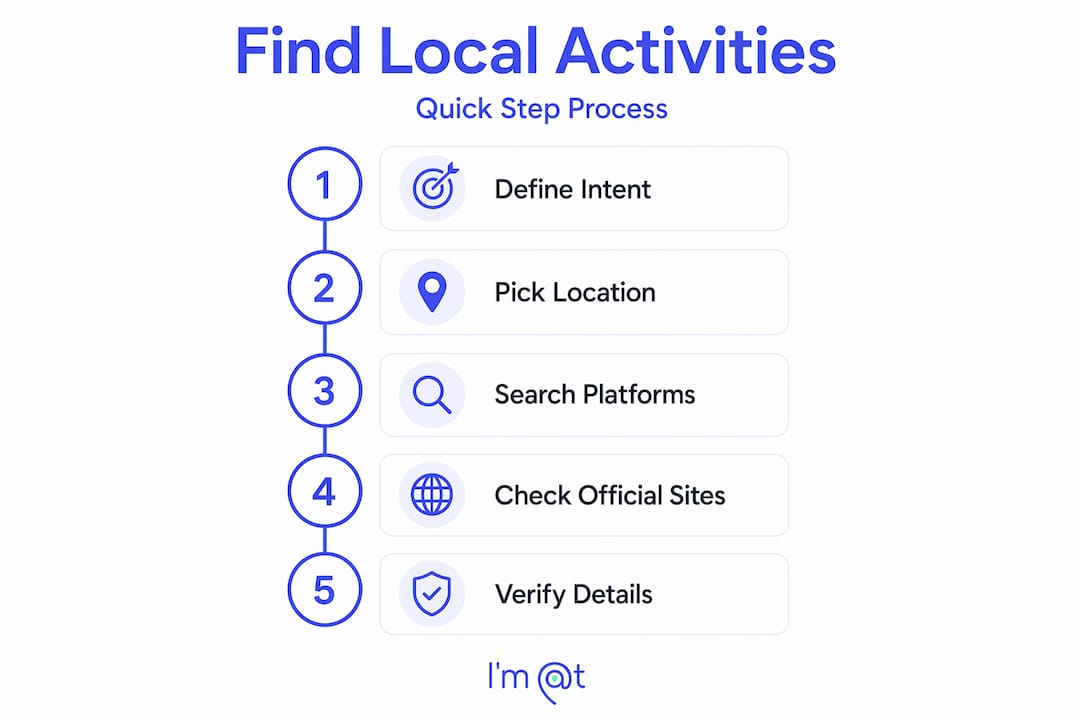
Good search strategy is what separates people who find great local activities from people who end up doing the same three things every weekend. The core method is triangulation: cross-reference what you find on event apps with official calendars and local community boards for the most complete picture.
Here is a practical process you can follow:
- Start with intent-specific searches. Use phrases that include your constraints: "free outdoor activities near [neighborhood] this Saturday" or "family-friendly events in [city] under $15."
- Check two or three event platforms. Run the same search across Facebook Events, Eventbrite, and one local platform. Note what appears on multiple sources and what appears on only one.
- Cross-reference with your city calendar. Look up the same weekend on your city's official event page. Often you will find something the apps missed, like a free outdoor movie screening or a neighborhood block party.
- Use Google Maps as a discovery tool. Search a category like "art galleries open today" or "hiking trails near me" in Maps. Reading recent reviews often surfaces time-sensitive events or programs at those locations.
- Check neighborhood-specific Facebook groups or Reddit threads. These are where locals post about pop-up events, informal gatherings, and community activities that never make it to official platforms.
Combining platforms consistently reveals both large gatherings and smaller, more intimate events that any single source would miss. The triangulation approach takes maybe twenty minutes total and produces a genuinely rich shortlist.
For travelers especially, smart activity planning means building a flexible schedule with a few confirmed anchor events and room for spontaneous discoveries you find through these techniques.
Activity ideas for every situation and audience
Part of knowing how to discover local fun is understanding which types of activities fit different situations. Here is a practical reference by scenario:
- Families with kids: Petting zoos, science museums with free admission days, nature walks, local farmers markets, community pool events, library storytimes
- Adults looking for social options: Trivia nights at local bars, outdoor movie screenings, cooking classes, wine tastings, art gallery openings
- Solo travelers or explorers: Self-guided neighborhood walking tours, local food markets, botanical gardens, free guided hikes, cultural festivals
- Rainy day activities: Indoor climbing gyms, pottery studios, escape rooms, community theater performances, bookstore events
- Budget-conscious options: Free park concerts, museum free days, city-sponsored festivals, library programs, public art walks
For travelers specifically, authentic local experiences are often found in community calendars rather than tourist-facing sites. A neighborhood food festival or a weekly craft market will give you a far more genuine feel for a place than most packaged tours.
The best local things to do are rarely the ones with the most advertising behind them. Keep that in mind when you are sifting through results.
My take on finding local activities without the overwhelm
I have planned group outings in cities I know well and in places I landed in with no plan at all. Both taught me the same lesson: relying on one source is how you end up standing in front of a closed venue or missing something great that was happening two blocks away.
My personal approach starts with official calendars. I find one or two confirmed, reliable events to anchor the day, things with actual addresses, times, and registration details I have verified myself. From there I use event apps to fill in the gaps and add options. That order matters. Starting with apps often creates decision fatigue because the volume of options is too high without a baseline.
What I have also learned is that the best local discoveries rarely come from the top results. The third page of a Meetup search, a pinned post in a neighborhood Facebook group, or a flyer photographed and shared in a local subreddit. These are where the interesting things hide. Spend five extra minutes going beyond the obvious results.
The other thing worth saying: do not overthink it. Pick two options you are genuinely interested in, verify the details, and commit to one. The search is a tool, not the destination. Flexibility matters more than finding the theoretically perfect activity. Some of the best afternoons I have had started as backup options.
— Mikahil
Discover and book local experiences with Im-at
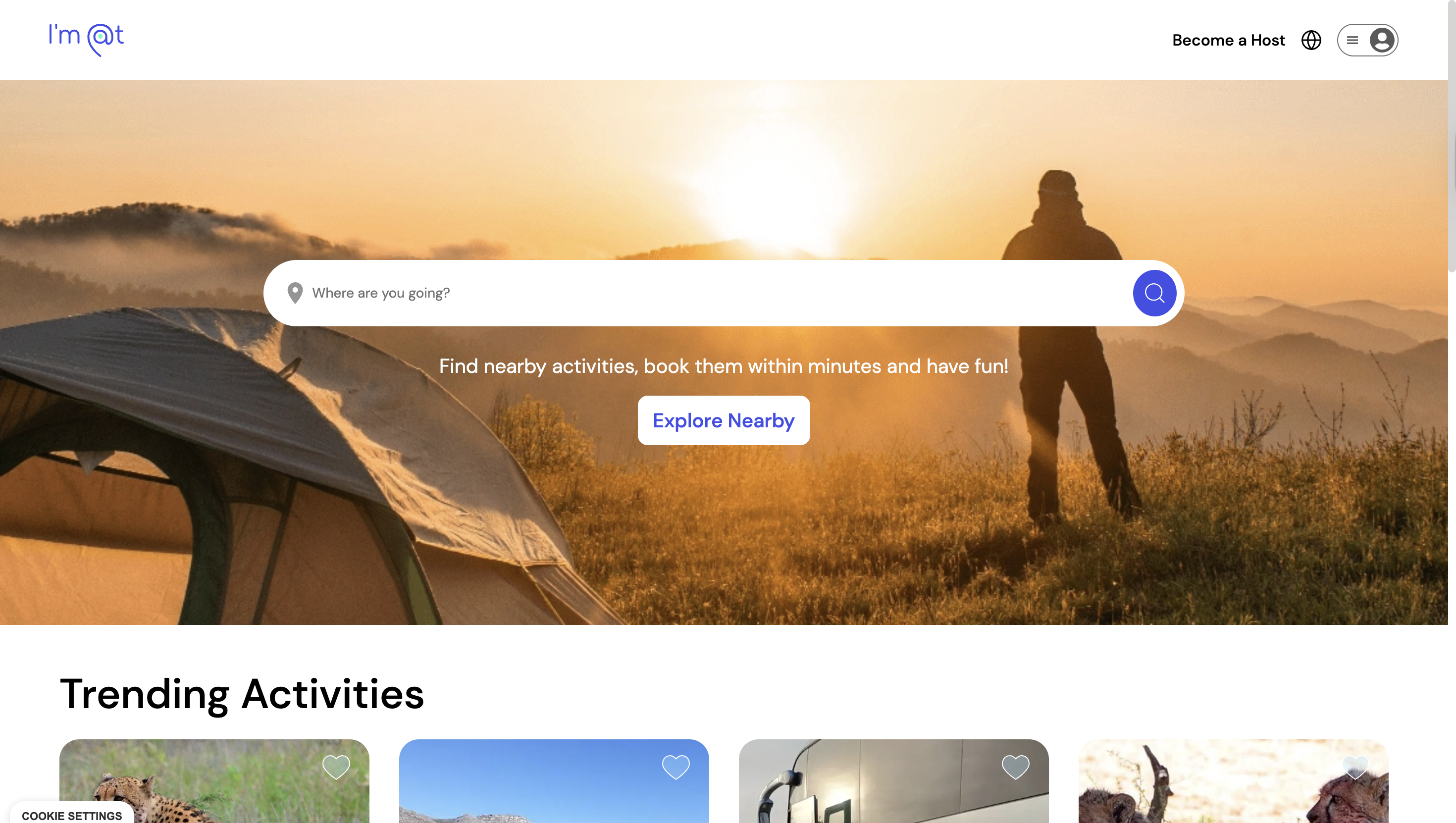
If you want to skip the multi-tab search and get straight to booking verified, high-quality local experiences, Im-at was built for exactly that. The platform lets you browse and book guided tours, cultural excursions, outdoor adventures, and day trips across destinations worldwide, with every listing vetted for quality and detail. Whether you are planning a weekend close to home or exploring somewhere new, you can find real experiences worth your time in minutes. Check out curated options like the Cape Town 3-day attraction covering townships, the Cape Peninsula, and wine tasting, or the Douro Valley small-group tour with wine tasting, lunch, and a river cruise. For something unexpected, the Unholy Secrets experience delivers a genuinely unique local outing.
FAQ
What is the fastest way to find activities near me?
Use intent-specific search phrases like "free things to do near me this weekend" combined with two or three event platforms such as Facebook Events and Eventbrite. Cross-referencing with your city's official events calendar takes under twenty minutes and gives you reliable, verified options.
Which apps are best for finding local events?
Facebook Events, Eventbrite, and Meetup each cover different types of local activities. Using all three together, along with Instagram location tags for real-time discovery, gives you the broadest coverage of both mainstream and niche upcoming local events.
How do I find free local activities?
Search specifically with the word "free" in your query, check your city's official parks and recreation calendar, and browse your public library's program listings. These sources consistently surface free community activities that paid platforms rarely feature.
Why should I verify events on official pages?
Official event pages include details aggregator sites routinely miss, such as whether registration is required, what to bring, and accommodation information. Confirming these details prevents wasted time and ensures you show up prepared.
How can travelers find authentic local activities quickly?
Start with neighborhood-level searches rather than city-wide ones, check local community Facebook groups or Reddit threads for insider recommendations, and use Im-at to browse and book local experiences that go beyond standard tourist options.