
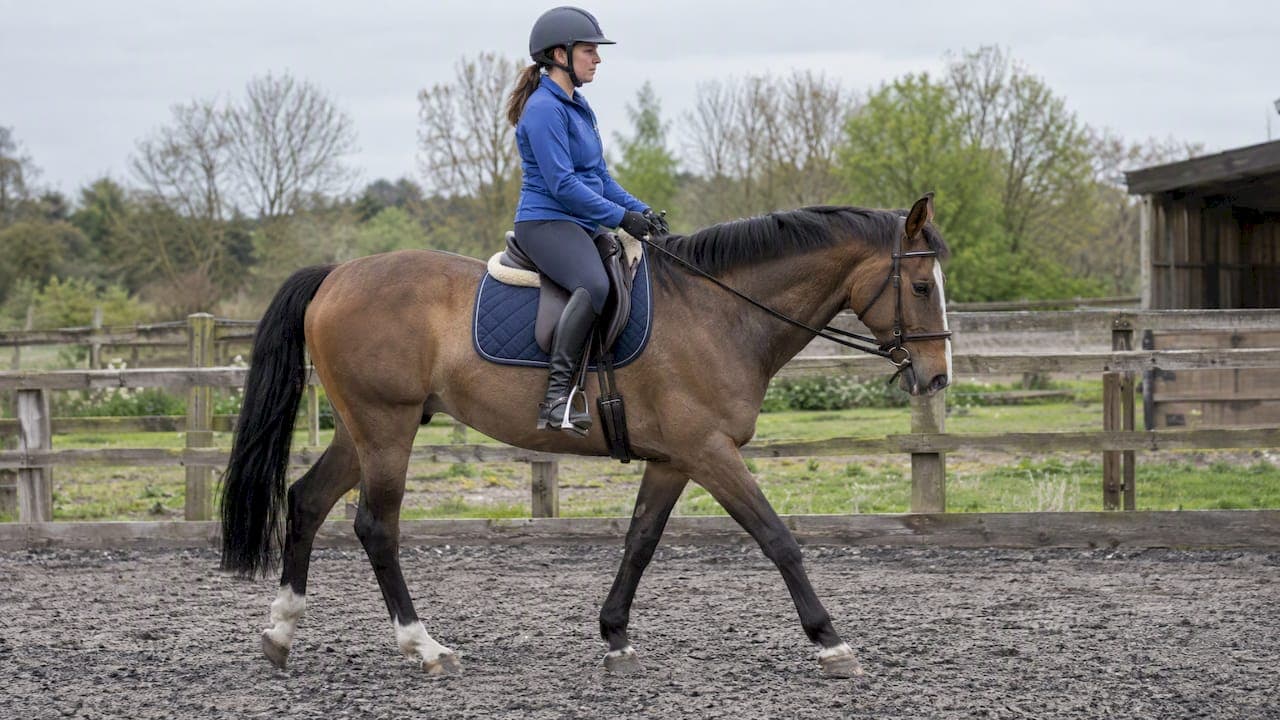
Fifteen percent is the more conservative target, and anything above 20% calls for a closer look at the horse's condition and the saddle fit. Before booking a ride, weigh yourself with your riding clothes on, add your tack, and ask the stable directly about their policy.
TL;DR:
- Controlled testing found no measurable changes at loads of 15% and 20%, while 25% to 30% increased heart rate, blood lactate, and postride muscle soreness.
- Weigh yourself in riding clothes and add your saddle and tack before dividing by horse weight; the 18% to 20% guideline includes all gear.
- Capacity depends on breed, size, fitness, age, lameness, workload, terrain, saddle fit, and rider balance when assessing how much a horse can carry.
- Standard riding programs often cap riders around 200 to 230 pounds, while specialty centers may consider heavier riders individually based on mount and ride conditions.
Table of Contents
- What the research shows about 15 to 20% versus 25 to 30%
- Factors that change how much weight a horse can carry
- How to calculate your total load before you ride
- Practical steps to reduce risk on any ride
- What to ask a stable before you book
- A perspective on booking riding experiences honestly
- Where to check policies and book a guided ride
- FAQ
- Sources
What the research shows about 15 to 20% versus 25 to 30%
The research found no measurable stress in heart rate, respiration, or work rate at 15% and 20%, but horses carrying 25% and 30% showed significantly higher heart rates, higher plasma lactate, and more muscle soreness afterward.

Veterinary commentary and extension writing frame 18% to 20% as a workable range for most light riding horses, provided tack is counted as part of the total load rather than treated separately. A synthesis of the welfare literature puts it plainly: the 20% figure works as a starting point for assessment, not as a guarantee that a horse carrying slightly less will always be fine or that one carrying slightly more will always struggle.
25% to 30% loads raised heart rate and muscle-soreness markers in controlled testing, while 15% and 20% loads produced no such change in the same horses.
Factors that change how much weight a horse can carry
A single percentage can't capture everything that determines whether a given horse and rider pairing is a safe match. Stables weigh several factors together before deciding.
- Breed and bone structure matter: stocky, draft-type horses with thicker cannon bone generally handle more load than narrow, long-backed breeds built for speed.
- Cannon bone circumference and loin width are physical indicators stables and vets use as quick capacity checks.
- Fitness, age, existing lameness, and current workload (how long, how fast, and over what terrain) all raise or lower safe capacity on any given day.
- Rider balance and experience matter almost as much as raw weight, since a rider who moves with the horse creates far less disruptive force than one who sits stiffly or bounces.
Pro Tip: A fit, well-conditioned horse in light work can often tolerate a higher percentage safely than an unfit horse carrying less, so ask about the horse's workload and condition, not just its listed weight.
How to calculate your total load before you ride
Working out your percentage takes a few minutes and a scale. Weigh yourself in the clothes and boots you plan to ride in, then weigh or look up your saddle and tack (western saddles commonly run 25 to 40 pounds, English saddles 15 to 25 pounds). Add the two figures together, then divide by the horse's weight to get your percentage. If a stable can't provide an exact horse weight, ask for the healthy target weight rather than a number pulled from an overweight or underweight animal, since either distorts the math.
| Horse weight | 18% threshold | 20% threshold |
|---|---|---|
| 900 lb | 162 lb | 180 lb |
| 1,000 lb | 180 lb | 200 lb |
| 1,100 lb | 198 lb | 220 lb |
These thresholds already include tack, so subtract your saddle and gear weight from the total before checking where your body weight alone falls.
Practical steps to reduce risk on any ride
A few small adjustments make a real difference whether you're close to a stable's limit or comfortably under it.
- Choose a lighter saddle when the stable offers options, and skip carrying extra water bottles or heavy boots you don't need for a short ride.
- Ask about a trial mount, request mounting from a block instead of the ground, and ask for a quieter or more private ride if you're a nervous or first-time rider.
- Book a saddle fit check with a qualified fitter if you regularly ride near the upper end of a horse's capacity, since poor fit concentrates pressure in ways that plain weight numbers don't capture.
- Take a few seat and balance lessons if you're new to riding. A rider who sits quietly and moves with the horse's stride reduces the dynamic force on its back substantially compared to one who rides stiffly.
Pro Tip: A short, slow, flat ride at a slightly higher load percentage is generally gentler on a horse than a long, fast ride at a lower one, so ask about pace and terrain, not just the weight limit — for example, consider a guided horse riding by the lake one hour ride when booking your next outing.
What to ask a stable before you book
Many riding programs set practical caps for their standard mounts, generally in the low 200-pound range, depending on horse size, fitness, and the kind of riding offered rather than an arbitrary cutoff. Specialty centers working with draft or draft-cross breeds sometimes accept heavier riders, but they still look at each rider and horse pairing individually rather than relying on weight alone.
Before booking, it's worth asking a few direct questions:
- What breeds or horse sizes do you typically use for guided rides?
- What is your weight policy, and does it include tack and gear?
- If I'm near your limit, can I see saddle fit options or request a different mount?
If a stable's policy rules out riding, ask about alternatives such as a private lesson focused on groundwork, or a wagon or carriage experience that still gets you close to the horses without the same load concerns.
A perspective on booking riding experiences honestly
The most useful thing a rider can do is simply be upfront with a provider about their weight, experience level, and any concerns before showing up. Good hosts expect these questions and would rather adjust a booking in advance than deal with a mismatch on the day. We aim to help travelers find experiences that fit, and to make it easy to confirm a host's policies through direct messages before committing to anything.
— Mikahil
Where to check policies and book a guided ride
We built Im-at so you can browse guided horseback rides and message hosts directly about weight policies, tack, and ride length before you commit to anything. Listings like our Verona horseback ride along the Adige River include host contact options, so you can ask about mount size or request a private ride if that suits you better.

If riding isn't the right fit this trip, you can browse other outdoor and cultural experiences on our guided tours and activities listings and find something that matches what you're looking for.
FAQ
What is the weight limit for Cumbrian Heavy horses?
There's no single published weight limit specific to that breed type in the sources we reviewed. As a general approach, heavier draft and draft-cross breeds typically tolerate a higher rider load than lighter riding breeds, but stables still assess each horse individually rather than applying a fixed breed-wide number.
Is 14 stone too heavy to ride a horse?
Fourteen stone is not inherently too heavy, since suitability depends on the horse's weight and tack combined, not rider weight alone. Using the 18% to 20% guideline, a rider at that weight plus tack would typically need a horse in the 1,100 pound range or larger to stay within the recommended range.
Is 70kg too heavy to ride a horse?
Seventy kilograms comfortably fits within most horses' recommended carrying capacity once tack is added. Using the 20% guideline, a rider with tack would stay within range on a horse weighing roughly 450 kilograms or more.
Can a 300lb person ride a horse?
Many standard riding programs set caps around 200 to 230 pounds for typical mounts, so a rider exceeding that weight would usually need a larger, often draft-type horse that a specialty center has specifically assessed for heavier riders. It's worth asking providers directly whether they have horses suited to heavier riders rather than assuming a standard listing applies.
How does exceeding the weight guideline affect a horse?
Research on horses carrying 25% to 30% of their body weight found higher heart rates, elevated lactate, and increased muscle soreness compared to horses carrying 15% to 20%. Riding regularly above the recommended range can affect a horse's comfort, soundness, and willingness to work over time.
Sources
- Evaluation of Indicators of Weight-Carrying Ability of Light Riding Horses (ScienceDirect)
- Weight limitations in horse riding: how big is too big? (Vet Times)
- Rider weight guidance and welfare perspective (Inside the Equine)