
TL;DR:
- Preparing for outdoor excursions requires mastering the Ten Essentials, testing gear beforehand, and planning hydration accurately. Proper planning, safety knowledge, and flexible decision-making significantly enhance safety and enjoyment in wilderness settings. Consistent gear checks and trip plans with trusted contacts are critical for safe and successful outdoor adventures.
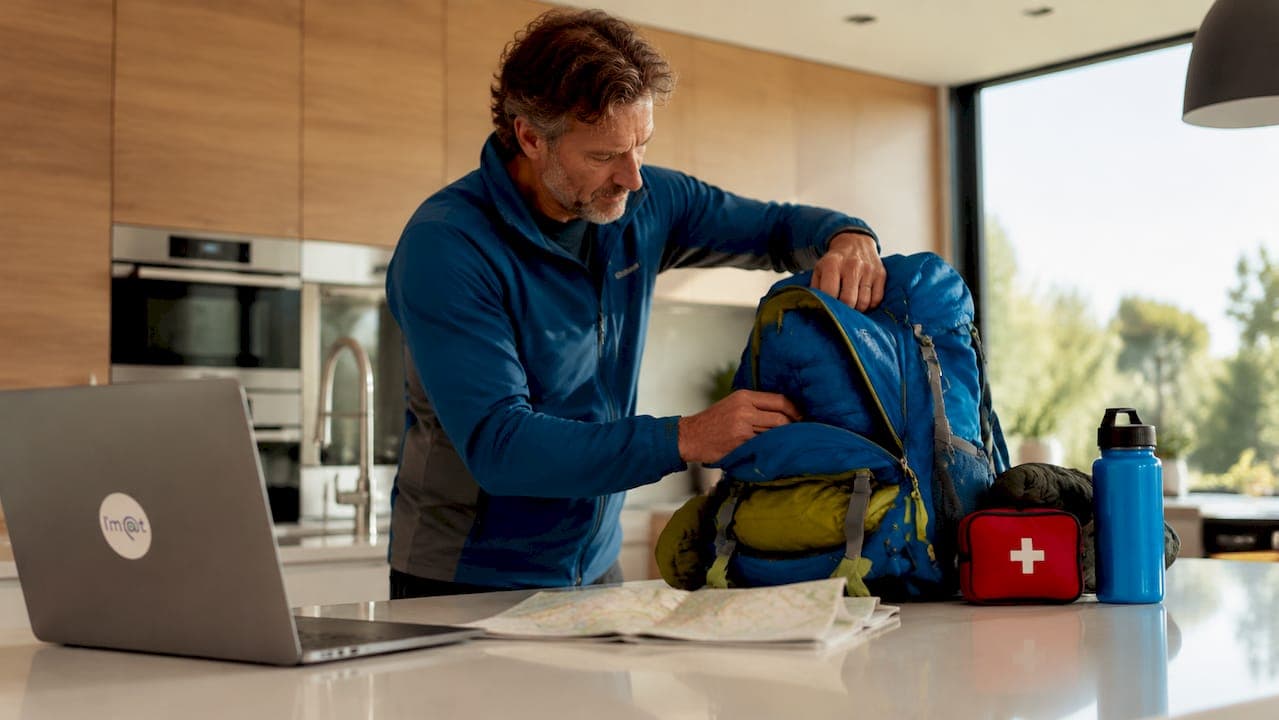
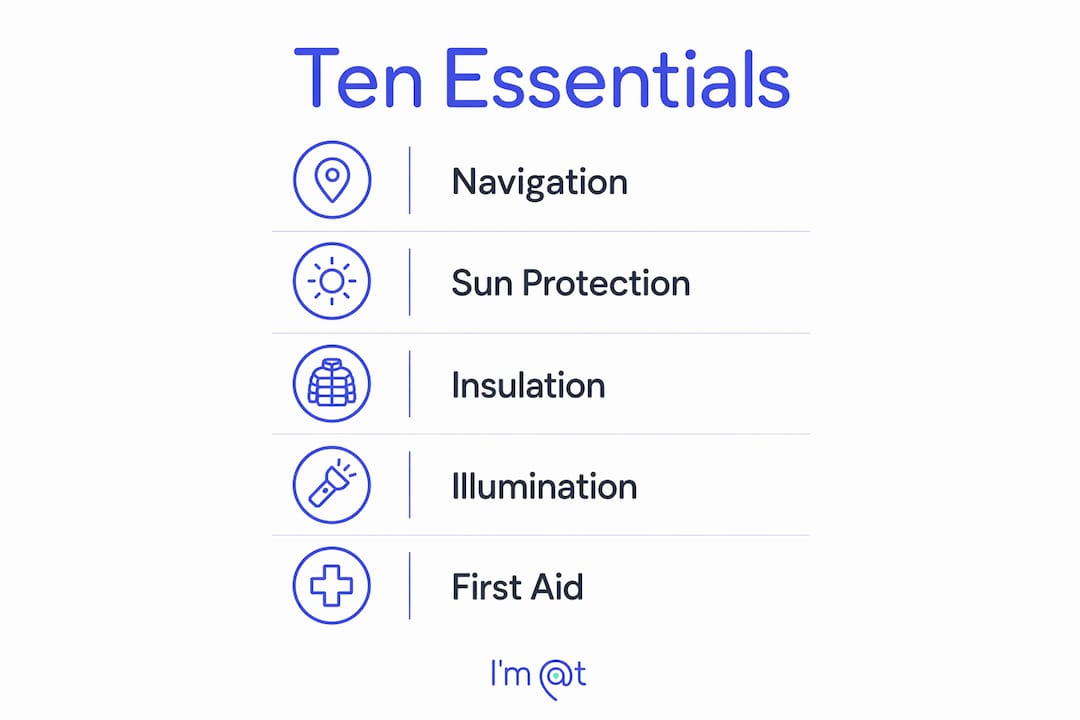
Preparing for outdoor excursions means mastering three things before you leave home: the right gear, the right safety knowledge, and a realistic plan. Skip any one of these, and a minor inconvenience becomes a genuine emergency. The foundation of solid outdoor preparation is the Ten Essentials, a framework that covers navigation, sun protection, insulation, illumination, first aid, fire, tools, nutrition, hydration, and emergency shelter. Devices like the Garmin inReach Mini 2 GPS and the Black Diamond Spot 400 headlamp represent the modern standard for two of those categories. American Red Cross First Aid and CPR courses cover the skills that gear alone cannot replace. Get all three pillars right, and you go from hoping for the best to actually controlling your outcome.
What are the essential gear and safety items for outdoor excursions?
The Ten Essentials are not a suggestion. A properly packed day hike bag weighs between 10 and 15 pounds and must include every category to qualify as safe. That weight ceiling matters because overpacking is one of the most common mistakes beginners make, and it leads to fatigue that causes poor decisions on the trail.
Navigation is your first priority. A physical topographic map and a baseplate compass are non-negotiable backups to any digital device. The Garmin inReach Mini 2 adds two-way satellite messaging and GPS tracking, which is critical in areas with no cell service. Relying on a smartphone app alone is a documented failure point in backcountry emergencies.
Sun protection requires SPF 50 or higher sunscreen, UV-blocking sunglasses rated to block 99 to 100 percent of UVA and UVB rays, and a wide-brim hat. At altitude, UV exposure increases roughly 10 percent for every 1,000 meters of elevation gain, so what works at sea level is genuinely insufficient at 3,000 meters.
Insulation is where most hikers underinvest. Packing garment systems built around a wicking base layer, an insulating mid layer, and a stormproof shell outperforms any single heavy jacket. Merino wool base layers regulate temperature across a wide range of conditions. Synthetic polyester mid layers dry faster than down when wet, making them the smarter choice in humid or rainy environments.
Illumination means the Black Diamond Spot 400 headlamp as a minimum standard. It delivers 400 lumens, is waterproof to IPX8, and runs on AAA batteries you can replace in the field. Always carry spare batteries.
First aid kits should include blister treatment, wound closure strips, an elastic bandage, pain relief, and any personal medications. More importantly, formal First Aid and CPR/AED training from the American Red Cross builds the confidence to use that kit when professional help is miles away.
Pro Tip: Pack your insulation layers in a waterproof stuff sack inside your bag. A wet mid layer loses most of its insulating value, and you will not realize how cold you are until it is too late to fix it.
| Gear category | Recommended standard |
|---|---|
| Navigation | Garmin inReach Mini 2 plus physical map and compass |
| Illumination | Black Diamond Spot 400 headlamp with spare batteries |
| Insulation | Merino wool base, synthetic mid, waterproof shell |
| First aid | American Red Cross certified kit plus personal meds |
| Sun protection | SPF 50+ sunscreen, UV-rated sunglasses, wide-brim hat |
How to plan your outdoor excursion for weather, goals, and group dynamics
Planning your trip's "mood" before you choose a route is one of the most underused planning strategies in outdoor preparation. Defining whether your trip is a family-friendly nature walk, a technical summit climb, or a multi-day wilderness traverse shapes every decision that follows, from gear weight to daily mileage targets. Skipping this step leads to mismatched expectations and groups that push beyond their actual fitness level.
Assess your group's fitness and skill level honestly. A realistic distance for a beginner group on moderate terrain is 8 to 10 miles per day. Experienced hikers on technical terrain may cover less. Overestimating group capacity is a leading cause of late arrivals, forced night hiking, and emergency rescues.
Weather planning requires more than a single forecast check. Pull data from at least two sources, such as the National Weather Service and a mountain-specific service like Mountain Forecast, and check again the morning of departure. Microclimates in mountain and canyon environments can differ dramatically from regional forecasts. Afternoon thunderstorms are predictable in many mountain ranges from June through August, and ignoring that pattern is a preventable mistake.
Lightning safety follows a specific protocol. The 30-30 lightning rule states: if the time between a lightning flash and thunder is 30 seconds or less, seek shelter immediately and wait 30 minutes after the last strike before resuming activity. When caught in the open, spread group members at least 50 feet apart to reduce the risk of a single strike affecting the entire party.
Sharing a detailed trip plan with a trusted contact is a critical safety practice that costs nothing. Include your route, trailhead location, expected return time, and emergency contacts. Set a check-in schedule so that person knows when to call for help if they do not hear from you.
- Define your trip's purpose and difficulty level before selecting a route
- Assess every group member's fitness and experience honestly
- Check weather from two sources and recheck the morning of departure
- Apply the 30-30 lightning rule and practice group dispersal
- File a complete trip plan with a trusted contact before leaving
"Outdoor safety is enhanced more by cautious decisions and flexibility than by fear. Sometimes the best choice is to delay or abort planned activities." — Outdoor Preparedness Tips
Pro Tip: If your group includes mixed fitness levels, plan your route around the slowest member, not the fastest. The fastest hiker can always slow down. The slowest hiker cannot speed up indefinitely without risk.
What are the best practices for testing and organizing your gear before departure?
Testing all gear at home before your trip prevents approximately 90 percent of common campsite emergencies and frustrations. That statistic reflects a simple truth: a tent pole you discover is broken in your backyard is a 10-minute fix. The same discovery at 9,000 feet after dark is a survival situation.
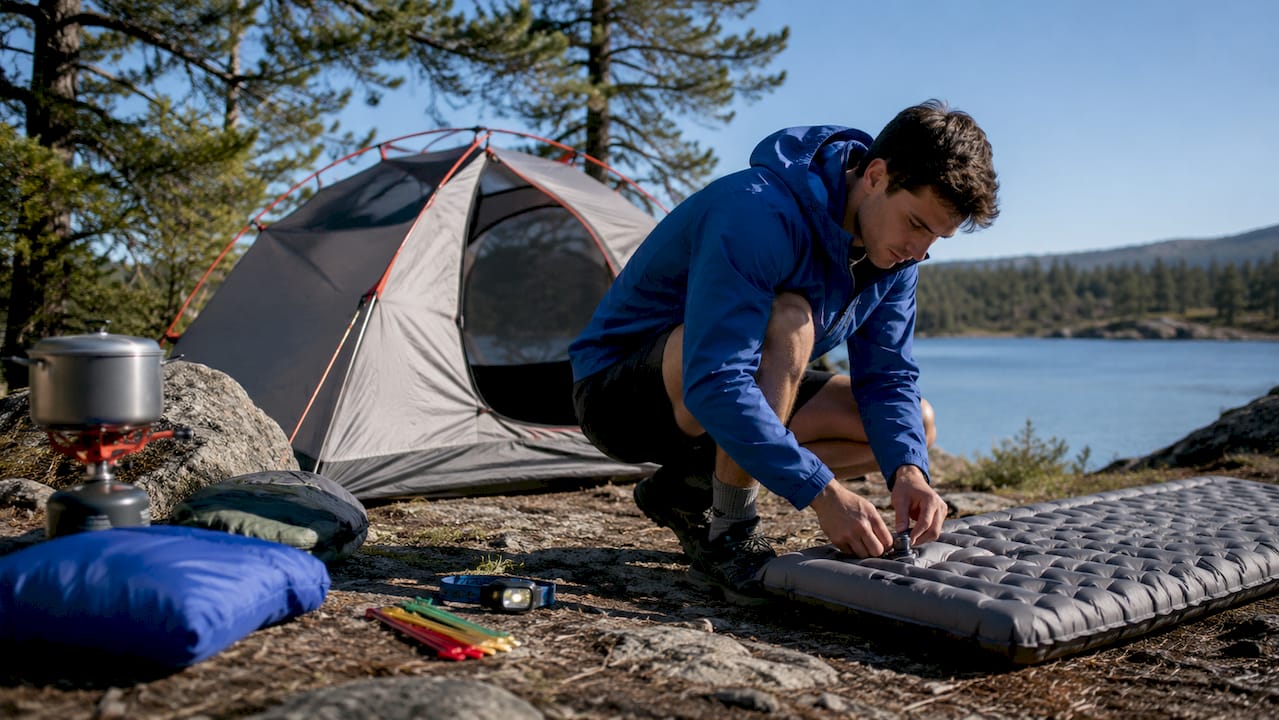
Set up your tent completely in the backyard. Light your camp stove and run it for five minutes. Inflate your sleeping pad and leave it overnight to check for slow leaks. Test your water filter by running a full liter through it. These steps take less than two hours and eliminate the most common gear failures.
Battery management deserves its own checklist. Charge all devices the night before departure. Carry a compact power bank for smartphones and GPS units. Bring spare AAA or AA batteries for headlamps and any battery-powered devices. Cold temperatures drain lithium batteries faster than alkaline, so carry lithium batteries for winter or high-altitude trips.
Pack organization follows a weight distribution principle: heaviest items closest to your back and centered between your shoulder blades and hips. This keeps the load over your center of gravity and reduces strain on your lower back over long distances. Lighter, less frequently needed items go at the bottom. Frequently accessed items like snacks, a rain jacket, and a first aid kit go in the top lid or hip belt pockets.
Pro Tip: Use a day pack checklist to cross-reference your gear the night before departure, not the morning of. Morning packing leads to forgotten items and rushed decisions.
Redundant navigation tools are non-negotiable for backcountry travel. GPS devices fail when batteries die, screens crack, or satellite signals are blocked by canyon walls. A physical map and compass require zero power and work in any condition. Practice using both before you need them under pressure.
How to prepare hydration, nutrition, and emergency contingencies for outdoor trips
Hydration is the most commonly underestimated preparation variable in outdoor travel. Plan 0.5 liters per hour in moderate conditions, and increase that to 1 liter per hour in heat or at high altitude. For full-day trips, 1 gallon of water per person per day is the baseline recommendation for camping. Dehydration at altitude accelerates altitude sickness and impairs judgment before you notice thirst.
Water treatment in the field gives you access to natural sources without carrying all your water from the trailhead. Three reliable methods exist: pump or squeeze filters like the Sawyer Squeeze, chemical treatment with iodine or Aquatabs, and boiling for at least one minute at sea level or three minutes above 6,500 feet. Carry at least one method as a backup.
Nutrition follows a calorie-density principle. Pack 200 to 300 calories per hour of activity, and always carry an emergency snack with at least 500 calories that you do not touch unless it is genuinely needed. Trail mix, Clif Bars, Honey Stinger waffles, and Backpacker's Pantry freeze-dried meals are proven options that handle heat and rough handling without degrading.
For desert conditions specifically, a desert health checklist adds electrolyte replacement and heat illness recognition to the standard hydration protocol. Sodium loss through sweat in hot environments is a genuine risk that plain water alone does not address.
| Condition | Hydration target | Nutrition target |
|---|---|---|
| Moderate temperature, flat terrain | 0.5L per hour | 200 cal per hour |
| Hot weather or high altitude | 1L per hour | 250 to 300 cal per hour |
| Full camping day | 1 gallon per person | 2,500 to 3,500 cal total |
| Emergency reserve | 1 extra liter minimum | 500+ cal snack reserved |
Contingency planning means writing down what you will do if conditions deteriorate, someone gets injured, or gear fails. Identify your bailout routes before you start. Know the location of the nearest trailhead, ranger station, and hospital. Follow Leave No Trace principles for food storage: use a bear canister or hang food at least 10 feet off the ground and 4 feet from the trunk in bear country.
What are common mistakes to avoid when preparing for outdoor excursions?
Overpacking is the most widespread mistake among new outdoor enthusiasts. Every unnecessary pound compounds over miles and hours, accelerating fatigue and increasing the risk of falls and poor decisions. Audit your pack by asking whether each item is truly necessary or just reassuring to have. If it is only reassuring, leave it.
Sole reliance on electronic navigation is a documented failure pattern in backcountry rescues. Smartphones lose charge, GPS screens crack, and satellite signals drop in deep canyons. Carry a physical map and compass as a backup on every trip that takes you more than two miles from a trailhead.
Ignoring weather updates after initial planning is a common and avoidable error. Conditions change faster than forecasts in mountain environments. Check the forecast again the morning of your trip and build a clear decision rule: if X condition occurs, you turn back. Making that decision in advance removes the emotional pressure of making it on the trail when you are tired and invested.
Staying flexible and making safe decisions when conditions worsen is the defining characteristic of experienced outdoor travelers. Turning back is not failure. It is the decision that lets you come back.
Pro Tip: Update your first aid kit at the start of every season. Check expiration dates on medications, replace used supplies, and add any items your last trip revealed you were missing. A kit you assembled three years ago is not the same as a current one.
Key takeaways
Effective outdoor excursion preparation requires mastering the Ten Essentials, testing all gear before departure, planning hydration and nutrition precisely, and filing a trip plan with a trusted contact.
| Point | Details |
|---|---|
| Pack the Ten Essentials | Every category from navigation to emergency shelter must be covered on every trip. |
| Test gear before you leave | Set up tents, run stoves, and check batteries at home to prevent field failures. |
| Plan hydration precisely | Target 0.5 to 1 liter per hour based on heat and altitude, plus 1 gallon per day for camping. |
| File a trip plan | Share your route, return time, and emergency contacts with a trusted contact before departure. |
| Stay flexible on conditions | Build a clear turn-back rule before you start and commit to following it on the trail. |
What I've learned from years of getting this wrong first
I spent my first three years of serious hiking believing that more gear meant more safety. My pack regularly hit 28 pounds on day hikes. I was exhausted by mile 6, made slower decisions, and ironically put myself at more risk than a lighter, better-organized hiker would have. The shift came when I stopped thinking about gear as insurance and started thinking about it as a system.
The Ten Essentials framework changed how I pack because it forces you to think in categories, not items. You do not need four light sources. You need one reliable light source and one backup. That distinction cuts weight and sharpens thinking. The same logic applies to clothing: a merino base, a synthetic mid, and a shell jacket cover more conditions than a single heavy fleece ever will.
What I underestimated longest was the value of skills over equipment. An adventure travel planning mindset that prioritizes learning navigation, first aid, and weather reading beats any gear upgrade. The Garmin inReach Mini 2 is a genuinely excellent device. But the person who can read a topographic map and identify a bailout route without it is safer in every scenario.
The trip plan habit took me longest to adopt because it felt bureaucratic. Now I consider it the single highest-value preparation step that costs nothing. Knowing that someone will call for help if I am not back by 7 p.m. changes how I make decisions on the trail. It removes the pressure to push through bad conditions because I know help is already primed to respond.
— Mikahil
Ready to explore with expert support?
Planning outdoor adventures is far easier when you have experienced guides and curated itineraries behind you. Im-at connects you with expert-led outdoor experiences across dozens of destinations, from guided safaris to multi-day excursions built around safety and genuine adventure.
Whether you are looking for your first supported outdoor experience or want to add a structured excursion to a longer trip, Im-at's catalog covers a wide range of activity types and difficulty levels. The Unholy Secrets experience is one of Im-at's featured immersive outdoor offerings, designed for travelers who want expert guidance without sacrificing the thrill of real adventure. Browse Im-at's full outdoor excursion catalog and book your next trip in minutes.
FAQ
What should I always pack for a day hike?
The Ten Essentials cover every critical category: navigation, sun protection, insulation, illumination, first aid, fire, tools, nutrition, hydration, and emergency shelter. A properly packed day hike bag weighs between 10 and 15 pounds.
How much water do I need for a hiking trip?
Plan 0.5 liters per hour in moderate conditions and up to 1 liter per hour in heat or at altitude. For camping, the standard is 1 gallon per person per day.
How do I stay safe during a lightning storm outdoors?
Apply the 30-30 lightning rule: seek shelter when the gap between lightning and thunder is 30 seconds or less, and wait 30 minutes after the last strike. Spread group members at least 50 feet apart if caught in the open.
Why should I test my gear before a camping trip?
Testing gear at home prevents approximately 90 percent of common campsite emergencies. Discovering a broken tent pole or faulty stove in your backyard takes minutes to fix. The same problem in the backcountry becomes a serious safety issue.
Do I need formal first aid training for outdoor trips?
Formal First Aid and CPR/AED training from the American Red Cross builds the confidence and skills to respond effectively when professional help is miles away. Gear alone cannot replace the ability to act correctly in an emergency.