
TL;DR:
- Conservation underpins sustainable adventure travel by protecting ecosystems, wildlife, and cultural heritage. It ensures authentic experiences, supports local economies, and maintains destination viability for future generations. Travelers can promote conservation by choosing certified operators, supporting community-based tourism, and asking about the ecological impact of their trips.
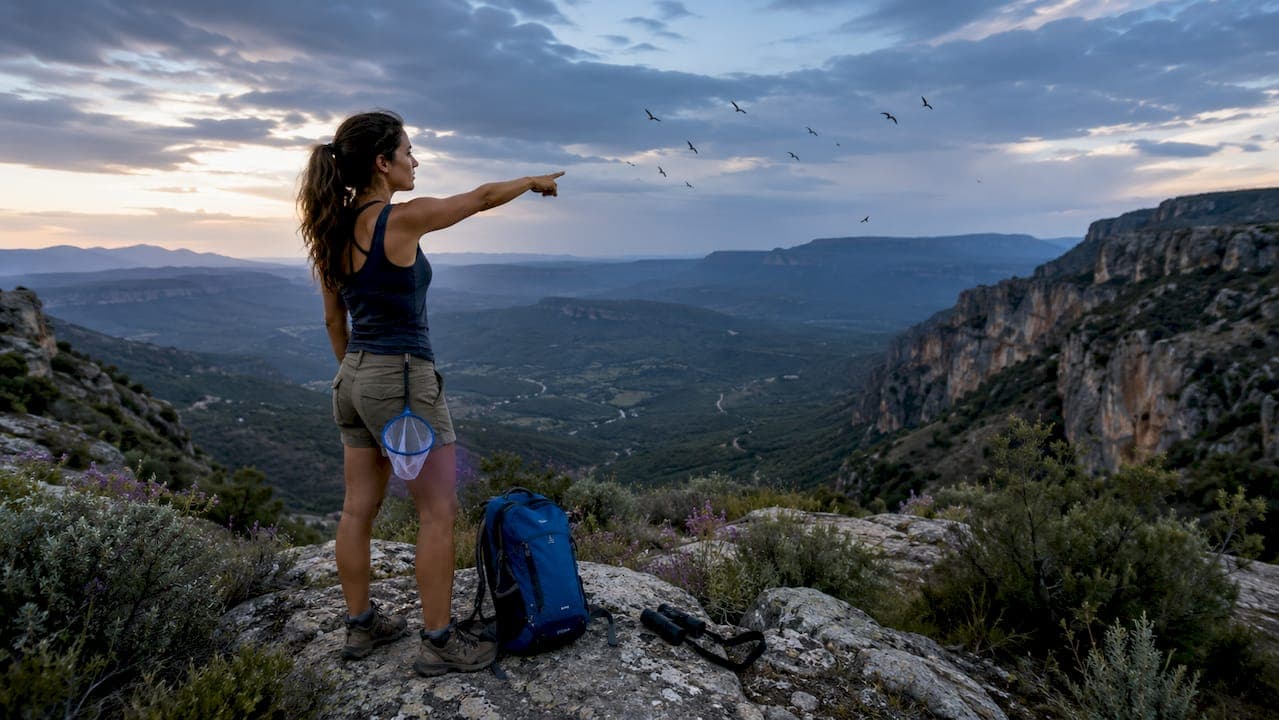
Conservation is the foundation of sustainable adventure travel, protecting the natural landscapes, wildlife, and cultural heritage that make outdoor experiences worth having. Without active conservation, the ecosystems that draw travelers to places like the Galápagos, the Serengeti, or the Karakoram simply degrade under the weight of foot traffic, carbon emissions, and unmanaged development. The role of conservation in adventure tours goes far beyond protecting trees and animals. It shapes the quality of every experience, the economic health of local communities, and the long-term viability of the entire industry. Protected areas hold approximately 51,400 gigatons of carbon, equivalent to emissions from 57.8 billion cars annually. That figure alone shows why conservation is not optional for the adventure tourism sector.
How does conservation shape sustainable adventure travel?
Conservation sustains the raw material of every great adventure tour: intact ecosystems, clean water, abundant wildlife, and undisturbed landscapes. When tour operators work within conservation frameworks, travelers encounter places that feel genuinely wild rather than managed theme parks. That authenticity is the product of deliberate, ongoing protection.
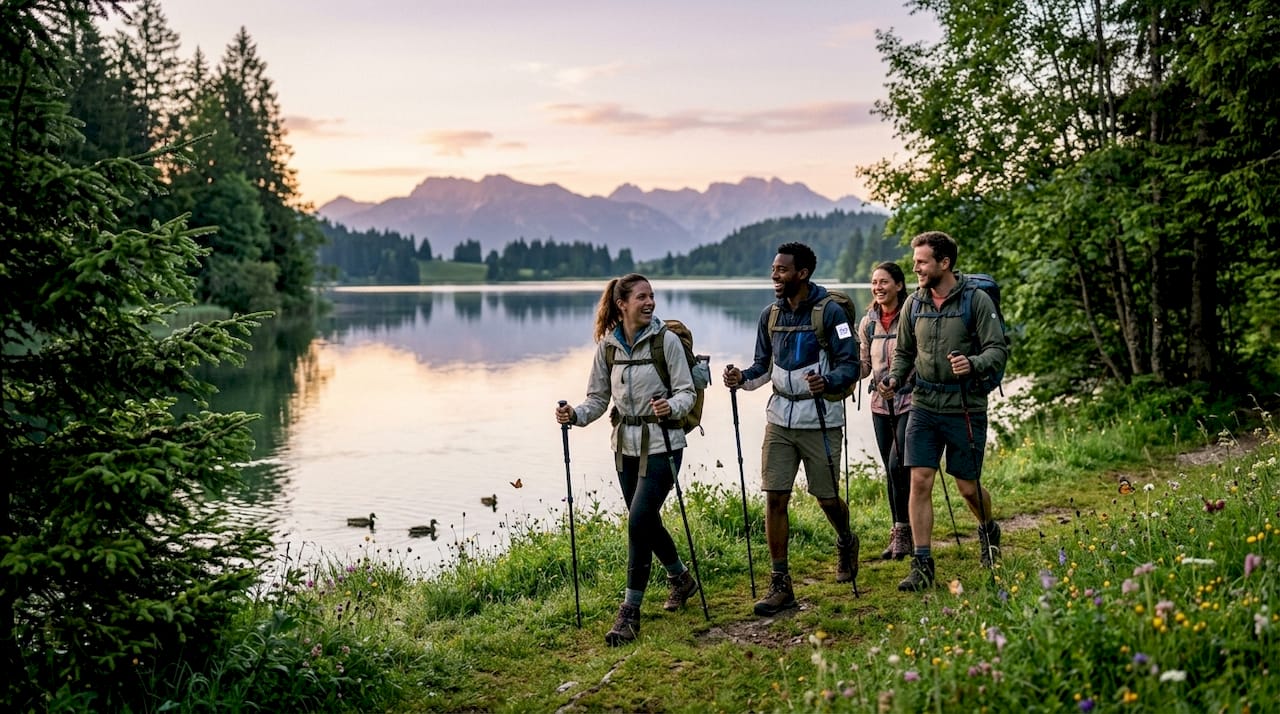
The International Union for Conservation of Nature (IUCN) defines protected areas as spaces managed specifically to achieve long-term conservation of nature. Adventure tourism that operates inside or adjacent to these areas benefits directly from the biodiversity and landscape integrity that protection provides. A trekker in Northern Pakistan walks through valleys that remain intact partly because community-based conservation agreements limit extraction and development.
Ecuador offers one of the clearest examples of this relationship. Adventure tourism in Ecuador's megadiverse regions generates sustainable income and promotes ecosystem conservation when paired with proper community training and international promotion. A survey of 250 tourists and 30 stakeholders confirmed that adventure activities in these biodiversity zones deliver both social and environmental gains. The key is that conservation and tourism are designed together, not bolted together after the fact.
Conservation also reduces the cumulative footprint of tourism. Trail management, wildlife corridor protection, and regulated visitor numbers all limit erosion, habitat fragmentation, and wildlife disturbance. These are not restrictions on adventure. They are the conditions that keep adventure possible.
- Biodiversity protection: Conservation areas maintain species richness that supports wildlife-watching, birding, and safari experiences.
- Landscape integrity: Managed watersheds and forests keep trekking routes, rivers, and viewpoints in the condition travelers expect.
- Regenerative capacity: Protected ecosystems recover from visitor pressure faster than unmanaged ones, extending the life of popular destinations.
- Cultural preservation: Conservation frameworks often include protections for indigenous land use and cultural sites, enriching the human dimension of adventure tours.
Pro Tip: When booking an adventure tour, ask the operator directly which conservation body or protected area framework their routes fall under. Operators who can name a specific standard, such as IUCN Category II or a national park management plan, are far more likely to deliver a genuinely low-impact experience.
What economic and community benefits come from conservation-led tourism?
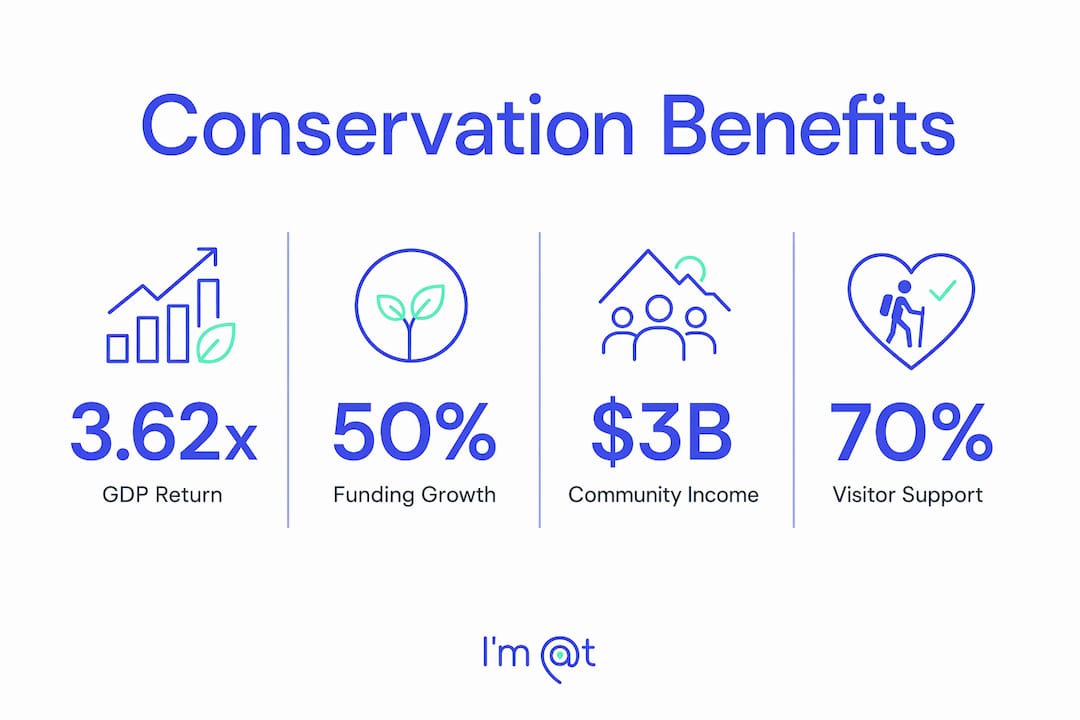
Conservation spending is not a cost. It is an investment with a measurable return. Every dollar spent on conservation in protected areas generated $3.62 in visitor-driven economic activity in Canada during 2023–2024, contributing $10.9 billion to GDP. That multiplier effect shows up in jobs, tax revenues, and local business income across gateway communities.
Public spending on protected parks in Canada increased 50% over 15 years, producing substantial growth in labor income and GDP. The lesson is direct: governments and operators that fund conservation create economic conditions that sustain adventure tourism for decades. Cutting conservation budgets to reduce costs is a short-term decision with long-term consequences for the entire tourism economy.
Community benefit-sharing is equally important. Long-term sustainability requires that local populations receive tangible returns through capacity building and infrastructure investment. Wildlife Management Areas in northern Tanzania demonstrate this model in practice. When communities see direct financial returns from tourism, they become active stewards of the wildlife and landscapes that attract visitors. Without that connection, conservation becomes an external imposition rather than a shared goal.
The Canadian Parks and Wilderness Society (CPAWS) has documented how conservation investment creates a cycle: protected areas attract visitors, visitors generate revenue, revenue funds further protection, and protection sustains the visitor experience. This cycle only works when communities are included as genuine partners, not just labor pools.
- Revenue sharing: Community-managed conservation areas in Tanzania distribute tourism fees directly to local households and infrastructure projects.
- Employment: Certified local guides, rangers, and hospitality workers fill roles that would otherwise go to outside contractors.
- Capacity building: Training programs funded by tourism revenue improve local skills in guiding, conservation monitoring, and hospitality management.
- Infrastructure: Roads, clinics, and schools in gateway communities often receive investment tied to tourism revenue agreements.
| Economic benefit | How it works |
|---|---|
| GDP contribution | Conservation spending generates $3.62 per dollar in visitor-driven economic activity |
| Job creation | Local guides, rangers, and hospitality workers earn income from protected area tourism |
| Revenue sharing | Wildlife Management Areas distribute tourism fees to community households |
| Infrastructure investment | Tourism revenue funds roads, clinics, and schools in gateway communities |
| Tax revenue growth | Increased visitor spending raises government tax receipts in conservation regions |
What are the challenges of integrating conservation into adventure tours?
The biggest threat to conservation-led adventure tourism is success itself. Post-pandemic adventure tourism regions saw foreign arrivals surge by 115%–121%, intensifying pressure on fragile ecosystems and underscoring the urgent need for regenerative tourism models. When visitor numbers double in two years, trails erode, wildlife retreats, and the authentic experience that attracted travelers in the first place begins to disappear.
Volume-driven tourism treats destinations as products to be consumed. Regenerative tourism treats them as living systems to be maintained and restored. The distinction matters enormously for adventure tour operators. A regenerative approach means actively restoring ecosystems and cultural vitality, not just minimizing damage. Transitioning from do-no-harm approaches to regenerative models is now considered essential for long-term adventure tourism success.
Community concerns add another layer of complexity. When tourism revenue flows to outside operators and international platforms, local communities bear the environmental costs without receiving proportional benefits. That imbalance erodes community support for conservation. Participatory governance between tourism operators, policymakers, and communities is the most effective mechanism for resolving this tension. It shifts conservation from a top-down regulation to a shared community interest.
- Limit visitor numbers at sensitive sites. Set science-based carrying capacities for trails, wildlife areas, and cultural sites before pressure exceeds recovery thresholds.
- Invest in guide certification. Professionalization of local guides aligns tourism with international standards and improves both community income and environmental stewardship.
- Build participatory governance structures. Include community representatives in decisions about visitor fees, route management, and revenue distribution.
- Adopt climate-resilient infrastructure. Design trails, camps, and facilities to withstand increased weather variability without requiring destructive maintenance.
- Measure and report conservation outcomes. Operators should track and publish data on wildlife sightings, vegetation cover, and community income to demonstrate real impact.
Pro Tip: Before joining any adventure tour, check whether the operator publishes an annual conservation or sustainability report. Operators who measure outcomes are far more likely to actually achieve them.
How can eco-conscious travelers actively support conservation?
Travelers hold more power than they often realize. Every booking decision sends a financial signal to the market. Choosing tours with clear conservation commitments directs money toward operators who protect ecosystems rather than exploit them. Understanding adventure tourism's conservation role helps travelers ask better questions and make better choices.
Community-based tourism is one of the most direct ways to support conservation. When travelers book through locally owned operators, the revenue stays in the community and funds the stewardship that keeps destinations intact. Community-based adventure tourism empowers local populations, preserves cultural heritage, strengthens environmental stewardship, and supports inclusive economic growth. These are not abstract benefits. They show up in maintained trails, healthy wildlife populations, and communities that actively protect their natural assets.
Ethical wildlife interaction is another area where traveler behavior directly affects conservation outcomes. Feeding wildlife, approaching animals too closely, or purchasing products made from protected species all undermine the conservation frameworks that make wildlife tourism possible. The standard is simple: observe without interfering, and report operators who encourage harmful behavior.
- Choose certified operators. Look for affiliations with recognized bodies such as the IUCN, national park authorities, or verified ecotourism certification programs.
- Pay fair prices. Cheap tours almost always externalize costs onto ecosystems and communities. A higher price that includes conservation fees and community levies is the more honest transaction.
- Minimize your physical footprint. Stay on marked trails, pack out all waste, and follow Leave No Trace principles on every outing.
- Learn before you go. Research the ecology and culture of your destination. Travelers who understand what they are seeing treat it with more care.
- Support responsible tourism practices. Share your experience honestly, including what operators did well and where they fell short.
Pro Tip: Ask your tour operator what percentage of your booking fee goes directly to conservation or community programs. If they cannot answer, that tells you something important.
Key Takeaways
Conservation is the single most important factor determining whether adventure tourism destinations remain viable for future generations of travelers.
| Point | Details |
|---|---|
| Conservation drives economic returns | Every dollar spent on protected area conservation generated $3.62 in visitor-driven economic activity in Canada. |
| Ecosystem health enables authentic experiences | Intact biodiversity and landscapes are the product of active conservation, not accidental preservation. |
| Community benefit-sharing sustains conservation | Local populations support conservation only when they receive fair, tangible returns from tourism revenue. |
| Regenerative models outperform do-no-harm approaches | Actively restoring ecosystems and cultural vitality produces better long-term outcomes than simply minimizing damage. |
| Traveler choices shape the market | Booking with certified, community-based operators directs money toward conservation and away from extractive tourism. |
Why I think most adventure travelers underestimate their influence
I have spent years watching the adventure tourism industry wrestle with a fundamental contradiction. Travelers come to wild places because those places are wild. Then, collectively, they make them less so. The irony is not lost on operators or conservationists, but it rarely reaches the traveler in a way that changes behavior.
What I have observed is that the most transformative experiences I have encountered in adventure travel happen in places where conservation is genuinely embedded in the tour design. Not as a marketing badge, but as a structural commitment. The guides are local, trained, and invested. The fees go somewhere visible. The wildlife behaves naturally because it has not been habituated to crowds. That quality of experience is not accidental. It is the direct result of conservation work done before the traveler ever arrived.
The uncomfortable truth is that most travelers do not ask hard questions. They book on price and convenience, then wonder why the wildlife felt staged or the landscape looked tired. The adventure tourism industry will only shift toward genuine conservation when travelers demand it consistently. That means asking where the money goes, who guides the tour, and what happens to the ecosystem after the group leaves. Those questions, asked at scale, change what operators build and what destinations survive.
— Mikahil
Adventure tours that put conservation first
Im-at connects eco-conscious travelers with experiences designed around environmental responsibility and community benefit. Whether you are looking for a wildlife-focused outing or a cultural immersion that supports local ecosystems, the platform makes it easy to find and book tours that align with your values.
The Tailor-Made 4×4 Tours on Im-at are built for travelers who want to move through landscapes responsibly, with routes and guides chosen to minimize impact and maximize authentic connection with the environment. For travelers drawn to cultural depth alongside natural beauty, the Cape Town 3-Day Attraction blends township visits, coastal exploration, and local ecosystem support into a single experience. Browse the full Im-at catalog to find your next conservation-conscious adventure.
FAQ
What is the role of conservation in adventure tours?
Conservation protects the ecosystems, wildlife, and cultural heritage that make adventure tours worth taking. Without it, destinations degrade under tourism pressure and lose the qualities that attract travelers in the first place.
How does conservation benefit local communities in tourism destinations?
Community support for conservation depends on equitable benefit-sharing. When tourism revenue funds local jobs, infrastructure, and capacity building, communities become active stewards of the natural resources that sustain the tourism economy.
What is regenerative tourism and why does it matter?
Regenerative tourism actively restores ecosystems and cultural vitality rather than simply minimizing harm. It is the model best suited to destinations facing rapid visitor growth, where do-no-harm approaches are no longer sufficient to prevent degradation.
How can I tell if an adventure tour operator is genuinely conservation-focused?
Look for operators who name specific conservation frameworks, publish sustainability reports, employ certified local guides, and can explain exactly how tourism fees support conservation or community programs.
Why do protected areas matter for adventure tourism?
Protected areas maintain the biodiversity and landscape integrity that adventure tourism depends on. They also store enormous quantities of carbon, making their preservation critical for both ecological and climate stability.