

TL;DR:
- Multi-day tours organize accommodation, transportation, and guided activities into one seamless package, reducing logistical stress for travelers. They vary from relaxed center-based stays to adventurous treks and cater to different group sizes, pacing, and interests. Choosing the right tour depends on your preferences, physical ability, and desired experience, with expert planning offering significant convenience.
If you've ever wondered what are multi-day tours and whether they're worth the investment, you're not alone. Many travelers confuse them with standard day trips or assume they're only for retirees on bus tours. In reality, multi-day tours cover everything from rugged backcountry treks to luxury wine tasting itineraries through the Douro Valley. They bundle accommodation, transportation, and guided experiences into one organized package, removing the logistical burden from your shoulders. This guide breaks down exactly how they work, what types exist, and how to pick the right one for your travel style.
Table of Contents
- Key takeaways
- What are multi-day tours and how they work
- Types of multi-day tours and their differences
- Packages vs. independent travel
- How to choose multi-day tours that fit you
- Real-world examples of multi-day tours
- My honest take on multi-day tours
- Ready to book your next multi-day adventure?
- FAQ
Key takeaways
| Point | Details |
|---|---|
| Multi-day tours bundle logistics | Accommodation, transport, and guided activities are typically included in one pre-arranged package. |
| Tour types vary significantly | Escorted group tours, center-based stays, and adventure treks differ sharply in pace and experience. |
| Inclusions are not always equal | Not every tour covers all meals or transfers, so verifying the inclusions list before booking matters. |
| Best for complex routes | Multi-day packages shine on multi-country itineraries or destinations where independent planning is difficult. |
| Group dynamics add value | Bonds built over multiple days create richer social experiences compared to short single-day trips. |
What are multi-day tours and how they work
A multi-day tour is any organized travel experience that spans two or more days and combines the major trip components into one booking. According to the standard structure, tours bundle accommodation, transport, guided activities, and often some meals into a single, pre-priced package. You pay once, receive a day-by-day itinerary, and focus on the experience rather than the logistics.
The core components you'll find in most multi-day tour packages include:
- Accommodation: Hotel, lodge, guesthouse, or camping depending on the tour style and destination
- Transportation: Transfers between cities, airports, and attractions, often included in the base price
- Guided sightseeing or activities: A local guide or tour leader manages the schedule and narrates each location
- Some meals: Most commonly breakfast; some tours add dinners or a select number of lunches
- Entrance fees: Higher-end packages often cover admission to parks, museums, or landmarks
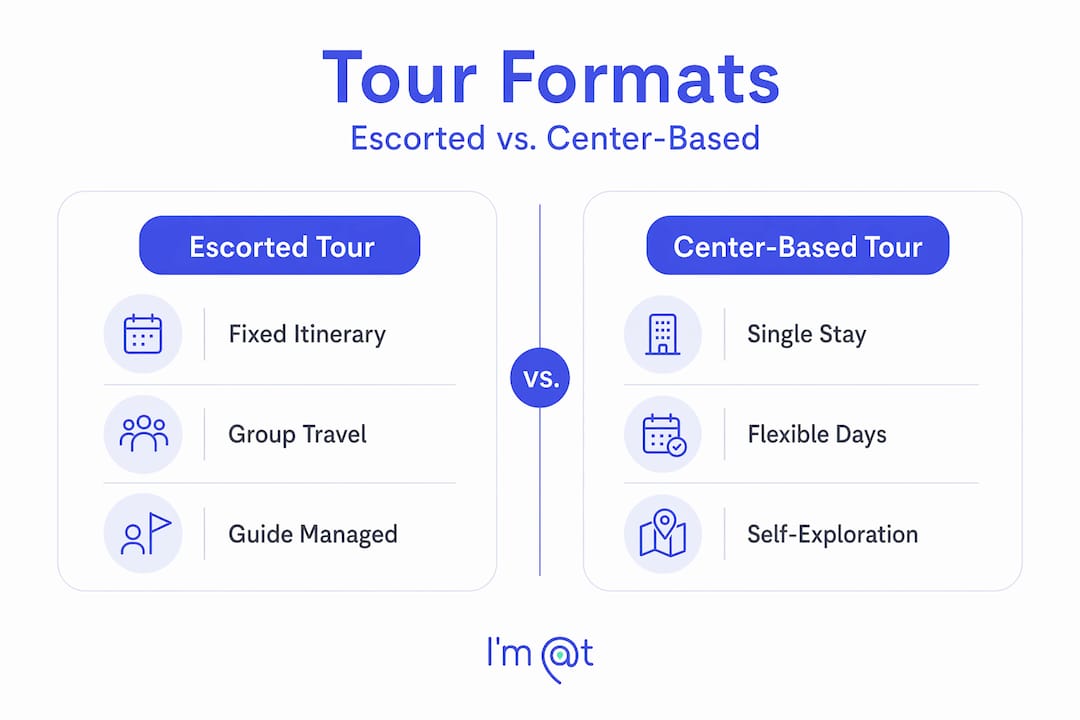
One critical distinction travelers often miss is the difference between escorted touring and center-based touring. The day-by-day structure can move hotels each night or stay centralized while taking day excursions. An escorted tour moves from city to city, with a new hotel each night. A center-based tour plants you in one location and sends you out on daily excursions, offering a more relaxed rhythm. Both are labeled multi-day tours, but the on-the-ground experience is completely different.
Pro Tip: Ask the operator specifically whether the tour is escorted or center-based before booking. That single question will tell you more about the daily pace than any brochure description.
Types of multi-day tours and their differences
Understanding multi-day excursions means recognizing that not all formats are created equal. The table below compares the most common types:
| Tour type | Pace | Group size | Best for |
|---|---|---|---|
| Classic escorted group tour | Moderate, scheduled | 20 to 50 people | First-time travelers, families, seniors |
| Small-group adventure tour | Active, flexible | 6 to 16 people | Solo travelers, active adults |
| Themed journey (wine, culture) | Leisurely to moderate | 8 to 20 people | Interest-focused travelers |
| Center-based tour | Relaxed | Any size | Travelers wanting a home base |
| Backcountry hiking trek | Strenuous | Small groups | Experienced outdoor adventurers |
Classic escorted tours move at a pre-set pace with a tour director managing every logistical detail. You trade spontaneity for total convenience. Small-group adventure tours, on the other hand, cap group sizes to preserve an intimate feel. They often go off the beaten path and allow more flexibility in daily scheduling.
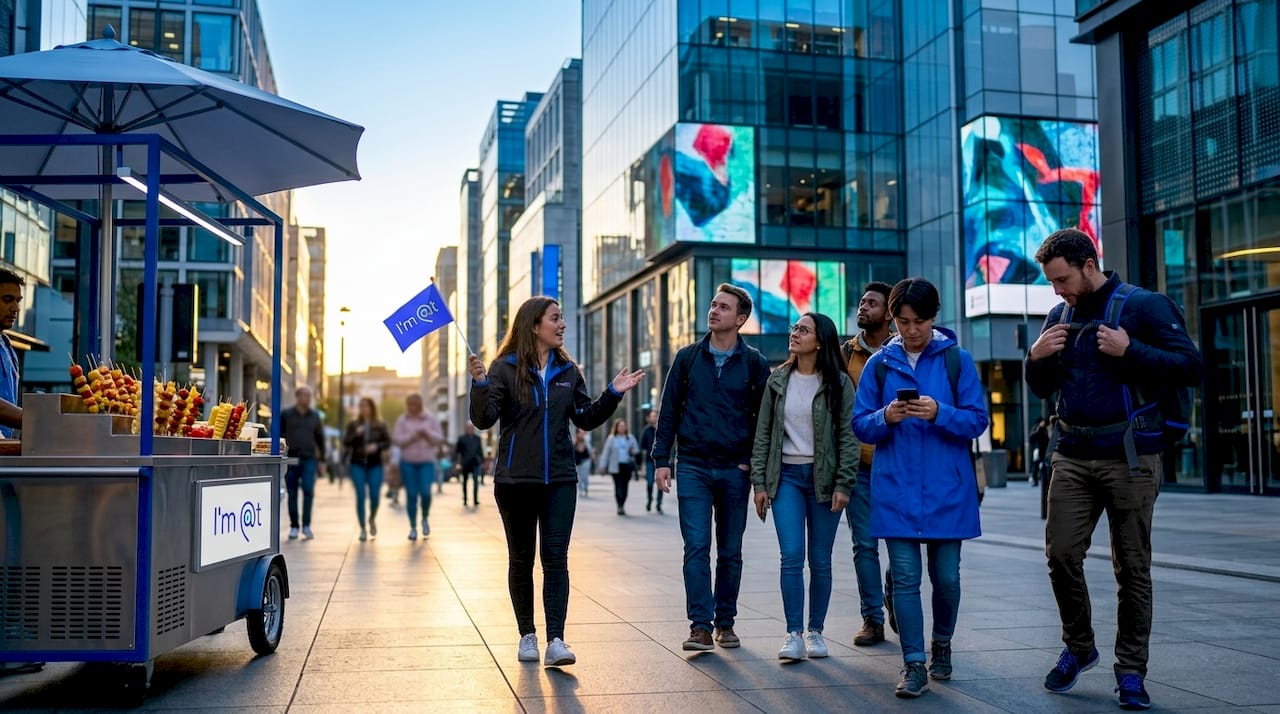
Themed multi-day travel options are growing fast. A wine-focused tour through South Africa's Western Cape or a cultural immersion in Morocco's medinas gives you depth that a rushed city tour cannot. The experience is curated around a single passion, and every included activity reinforces it.
Center-based tours suit travelers who dislike packing and unpacking every night. You stay in one property, such as a private villa in Seminyak, Bali, and explore the surrounding region through daily excursions. It's the closest a packaged tour gets to feeling like an independent trip.
Pro Tip: If you dislike large-group dynamics, search specifically for tours capped at 16 passengers or fewer. The difference in atmosphere and flexibility is noticeable from day one.
Packages vs. independent travel
The benefits of multi-day tours become clearest when you compare them head-to-head against planning each leg of a trip independently. Here's how that tradeoff breaks down in practice:
-
Simplified logistics. A multi-day package operates on a "book once, show up, follow itinerary" model, handling transport, accommodation, and activities upfront. You make one decision instead of dozens.
-
Cost certainty. Knowing your total spend before departure makes budgeting straightforward. Independent travelers frequently underestimate costs when booking hotels, transfers, and entrance fees separately.
-
Access to expertise. Guides on multi-day tours know the local context, avoid tourist traps, and can improvise when something goes wrong. That knowledge is genuinely hard to replicate with a search engine.
-
Reduced planning stress. Package tours excel on complex logistics and multi-country itineraries where coordinating flights, border crossings, and accommodation independently would consume significant time.
-
Loss of spontaneity. The tradeoff is real. You follow someone else's schedule. If you want to spend an extra afternoon at a market or skip a guided museum visit, that flexibility is limited or nonexistent on a structured tour.
-
Group pace may not match yours. A group of 40 people moves slowly. If you prefer to walk fast, eat quickly, and move on, a large escorted tour can feel constraining.
The honest answer to "are multi-day tours worth it?" depends on your destination and travel experience level. For first-timers visiting a complex region like East Africa or Southeast Asia, the package model removes barriers that would otherwise derail an independent trip. For experienced travelers revisiting familiar destinations, independent booking often wins on flexibility and cost. Many seasoned travelers now mix both, using activity comparison tools to fill itinerary gaps with individual bookings around a core package.
How to choose multi-day tours that fit you
Figuring out how to choose multi-day tours comes down to matching five key factors to your actual needs, not the tour's marketing copy.
-
Inclusions and exclusions. Not all meals, tickets, or transfers are included; inclusions vary by tour and must be verified before booking. Read the fine print, not just the headline price. A "budget" tour that excludes lunches, museum entries, and airport transfers often costs the same as a premium one once you add those back.
-
Group size. This shapes the entire social experience. Larger groups mean more perspectives but slower movement. Smaller groups mean more intimacy and flexibility. Multi-day group travel builds deeper bonds over days rather than hours, and a well-matched group genuinely enhances the experience.
-
Physical difficulty. Every tour description should include an honest activity level rating. Backcountry multi-day hikes like the West Coast Trail run 6 to 8 days over demanding terrain that includes ladder climbs, river crossings, and heavy pack loads. Signing up without realistic self-assessment is how people get stranded.
-
Free time and pace. Some itineraries are packed from 7 AM to 9 PM every day. Others build in free afternoons. Decide which suits your energy level before you commit.
-
Value, not just price. Compare what's included per dollar rather than headline cost. Then read recent reviews specifically for complaints about hidden costs or rushed schedules.
Pro Tip: Before booking, email the operator two specific questions: "What is not included in the listed price?" and "How many hours per day are guided versus free time?" The answers reveal more about the tour's actual quality than any star rating.
Real-world examples of multi-day tours
The best multi-day tours span a remarkable range of experiences. Here are examples that show the full spectrum:
-
Rugged backcountry trekking. The West Coast Trail on Vancouver Island is a 6 to 8 day guided backcountry experience with adjustable entry and exit points to match traveler fitness levels. Operators handle permits, camping logistics, and safety protocols so hikers focus on the trail.
-
Wine and culture tours. The Cape Town 3-day township, Cape Peninsula, and wine tasting tour combines cultural immersion with scenic coastal driving and vineyard visits. It's a strong example of how themed itineraries pack genuine depth into a short window.
-
Group bus tours. Bus-based multi-day tours are growing in popularity for families, school groups, and seniors who need organized transportation, shared accommodation, and a consistent guide throughout.
-
Multi-city historical tours. Urban itineraries through Rome, Athens, or Istanbul move travelers between historically significant neighborhoods with expert commentary that transforms a walk into a narrative.
-
Luxury small-group experiences. A Douro Valley small-group tour combining wine tasting, a sit-down lunch, and a river cruise delivers a curated, unhurried pace that larger group tours simply cannot replicate.
Each of these formats serves a different traveler. None is objectively better. The right one is the one that matches your pace, budget, and the experience you're actually seeking.
My honest take on multi-day tours
I've taken enough multi-day tours to know that most of the skepticism around them comes from one bad experience, usually a tour that was far more regimented than advertised. That skepticism is understandable. But it's also a reason to research harder, not to dismiss the format entirely.
What I've found is that structure, done right, genuinely enhances enjoyment. When someone else handles the logistics, you stop spending mental energy on transfers and check-in times and start actually absorbing where you are. That shift is more significant than most independent travelers expect until they experience it.
The social dimension surprised me most. Multi-day group travel creates real connections in a way that a single-day excursion never does. Shared meals, long drives, and navigating unexpected delays together builds a kind of shorthand with people you met 48 hours ago. Group travel builds bonds over days, not hours, and those bonds are part of what makes the memory stick.
My practical advice: never assume the pace matches your energy level without checking. I've booked tours that looked relaxed on paper and turned out to be a sprint through 12 sites in 3 days. Ask operators directly about daily schedules. Read reviews that mention "rushed" or "free time" specifically. And when you find a tour that fits, the convenience, the local expertise, and the social experience together create something genuinely hard to replicate on your own.
— Mikahil
Ready to book your next multi-day adventure?
Im-at makes it easy to browse and book multi-day tours across dozens of destinations without the guesswork.
Whether you're looking for a rugged off-road experience or a curated wine tour, Im-at connects you directly with vetted operators who specialize in exactly this. The tailor-made 4x4 tours are a standout option for travelers who want expert-planned adventure with the flexibility to customize the route. You can also explore booking guidance for extended tours to understand what to ask and what to watch for before you commit. Whatever pace, theme, or destination you have in mind, the catalog covers it.
FAQ
What does a multi-day tour typically include?
Most multi-day tours include accommodation, transportation between destinations, guided activities, and at least one meal per day, commonly breakfast. Inclusions vary by tour and should always be verified before booking.
How do multi-day tours differ from day trips?
Multi-day tours span two or more nights, covering multiple destinations or deeper experiences in one region, while day trips return you to your starting point by evening.
Are multi-day tour packages worth the cost?
For complex itineraries or first-time visitors to unfamiliar regions, packages handle multi-country logistics in ways that genuinely save time and money compared to booking each element separately.
What's the best group size for a multi-day tour?
Tours capped at 16 passengers or fewer offer more flexibility and a more personal experience, while larger groups of 20 to 50 suit travelers who prioritize structure and social variety.
How physically demanding are multi-day tours?
Difficulty ranges widely. Backcountry treks like the West Coast Trail require serious fitness, while cultural or wine-focused itineraries involve minimal physical exertion. Always check the operator's activity level rating before committing.