
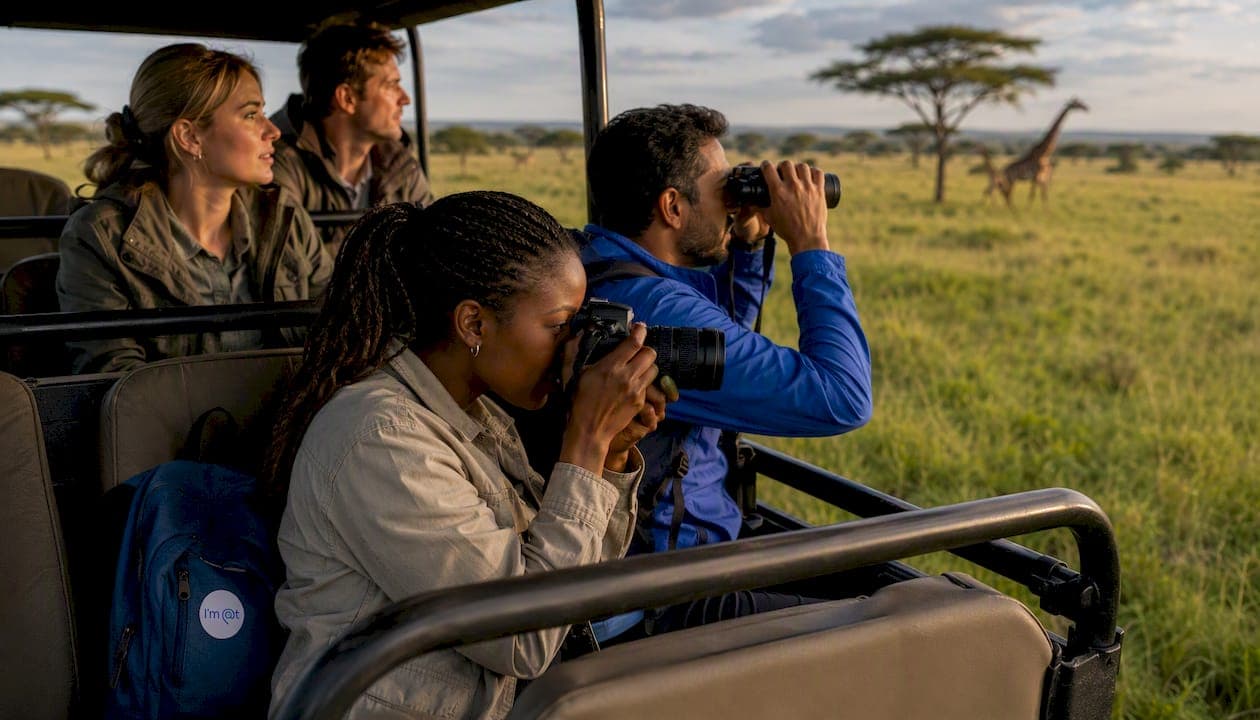
A safari tour is a guided expedition into wild, open landscapes where the primary goal is observing and photographing free-roaming wildlife in its natural habitat. The word "safari" comes directly from Swahili, meaning simply "journey." For beginners, nature lovers, and photographers, it's one of the most immersive travel experiences on earth.
Here's how a safari differs from a standard sightseeing tour at a glance:
- Focus: Wildlife observation and natural behavior, not monuments or cities
- Setting: National parks, private reserves, and conservancies, not urban centers
- Pace: Slow, patient, and driven by animal activity cycles, not a fixed checklist
- Activity type: Game drives, walking expeditions, and guided tracking, not museum visits or bus hops
Table of Contents
- How did the word "safari" get its meaning?
- What types of safari tours are there?
- What does a typical day on safari look like?
- Where do safaris take place?
- How do guided safari tours actually work?
- How to plan and book a safari tour
- How can safaris support conservation and local communities?
- Key Takeaways
- What first-timers should really expect on safari
- Ready to find your safari experience?
- Useful sources
How did the word "safari" get its meaning?
The English word "safari" entered common use in the 19th century, borrowed from Swahili and rooted in the Arabic word safar, meaning travel or journey. Early English-language use described hunting expeditions into East Africa, where wealthy travelers pursued big game across open savanna. Those expeditions were logistically complex, often lasting weeks, and required local guides, trackers, and porters.
The shift from hunting to watching happened gradually across the 20th century, accelerating as African nations established national parks and conservation laws. By the time Kenya banned trophy hunting in 1977, the photographic safari had already become the dominant model. Today, the Cambridge Dictionary defines a safari as an overland journey, particularly in East Africa, now primarily associated with wildlife viewing rather than hunting.
A safari is no longer about what you take home. It's about what you witness: predators at dawn, herds crossing rivers, the unhurried rhythms of wild Africa. The modern safari is a conservation act as much as a travel experience.
That shift in purpose is why safaris feel so different from other tours. The goal isn't to collect sights on a list. It's to slow down and pay attention.
What types of safari tours are there?
The format you choose shapes almost everything: comfort level, cost, wildlife access, and the kind of memories you bring home. Here are the main types:
- Lodge-based safaris: You stay in a fixed camp or lodge inside or adjacent to a reserve. Guides take you out on game drives from a comfortable base. Best for first-timers and families who want structure and good food.
- Mobile tented safaris: The camp moves with the wildlife migration. Lightweight tents, more remote locations, and a closer-to-the-bush feel. Popular in Tanzania's Serengeti during the Great Migration.
- Overland truck safaris: A group travels across multiple countries or parks in a converted expedition vehicle. Budget-friendly and social, though less intimate. Suits younger travelers and backpackers.
- Self-drive safaris: You rent a 4x4 and navigate parks independently using maps and park guides. South Africa's Kruger National Park is the classic self-drive destination. Requires confidence behind the wheel and solid preparation.
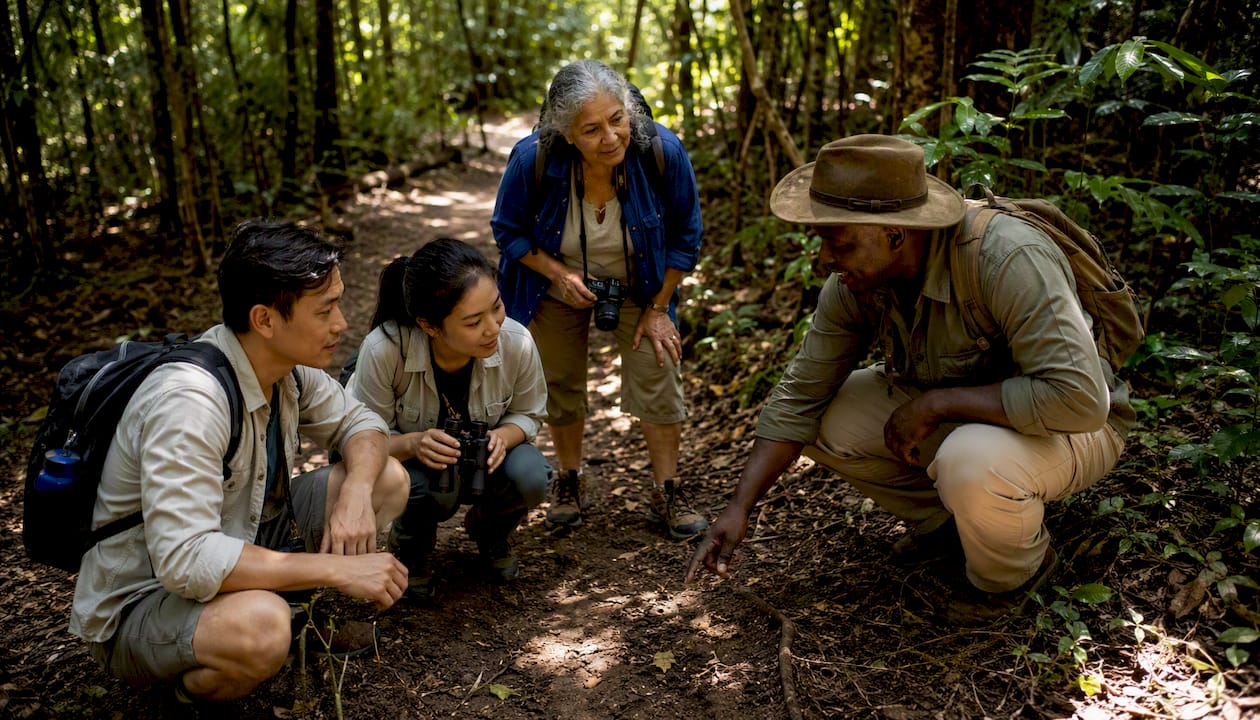
- Walking safaris: A guide leads you on foot through the bush. You read tracks, identify plants, and get genuinely close to the landscape. Physically demanding but extraordinarily rewarding. Zambia's South Luangwa Valley is the spiritual home of the walking safari.
- Boat and water safaris: Common in the Okavango Delta and along the Chobe River. You observe hippos, crocodiles, elephants, and birds from a mokoro (dugout canoe) or motorboat.
- Photographic safaris: Designed specifically around camera work. Guides position vehicles for optimal light, drives run at golden hour, and the pace accommodates long lenses and tripods. Ideal for serious photographers.
- Luxury and private safaris: Small groups, exclusive-use vehicles, private guides, and high-end lodges. The 4 Nights Luxury Safari in Madikwe and Pilanesberg is a good example of what a private reserve experience looks like at this level.
- Small-group vs. large-group safaris: Smaller vehicles (6 seats or fewer) mean quieter sightings, more flexibility, and a guide who can actually respond to what you want to see. Large-group tours cost less but sacrifice that responsiveness.
The type you pick also affects what you see. A walking safari puts you at eye level with the bush in a way no vehicle can replicate. A boat safari reveals a completely different ecosystem. Neither is better; they're just different conversations with the wild.
What does a typical day on safari look like?
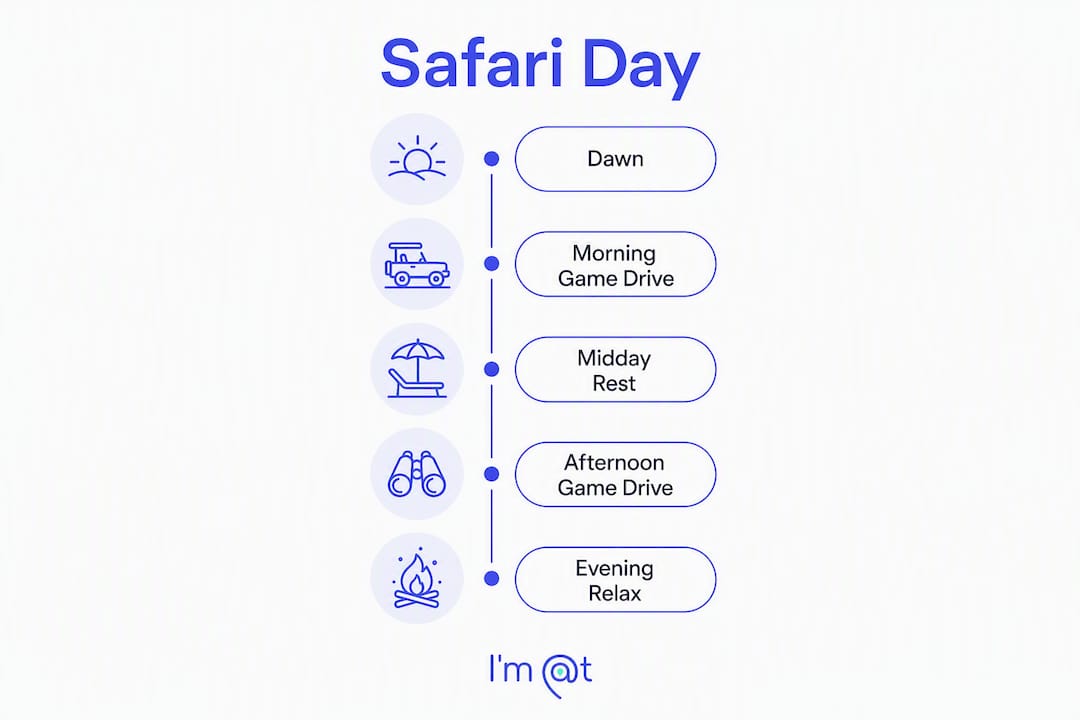
The rhythm of a safari day is built around one fact: animals are most active at dawn and dusk. Everything else follows from that.
- 5:00–5:30 AM: Wake-up call. A knock on the tent or a gentle alarm. Coffee, tea, and a light snack are waiting. The air is cold, the sky is dark, and the bush is already alive with sound.
- 5:30–6:00 AM: Departure. You board the game-drive vehicle before sunrise. Guides time the departure to reach open ground as the light breaks. This is when lions are finishing hunts and leopards are still visible.
- 6:00–9:00 AM: Morning game drive. The core of the day. Drives typically run about three hours, covering a range of habitats. Your guide and tracker work together, reading tracks, listening for alarm calls from birds and baboons, and positioning the vehicle for sightings.
- 9:00–10:00 AM: Return and breakfast. Back at camp for a full cooked breakfast. This is often the most social part of the day, sharing what everyone saw.
- 10:00 AM–3:30 PM: Midday downtime. Most animals rest in the shade during the heat of the day. Guests do the same. Read, nap, swim if the lodge has a pool, or join optional activities like guided bush walks, cultural visits, or birding.
- 3:30–4:00 PM: Afternoon departure. The second drive begins as temperatures drop. This session often produces the most dramatic sightings: predators becoming active, elephants heading to water, herds gathering at sunset.
- 6:00–7:00 PM: Sundowner stop and return. Many guides pause the drive at a scenic spot for drinks as the sun sets. Back at camp, a briefing covers what was seen and what to expect tomorrow.
- 7:30–9:30 PM: Dinner and evening. Dinner around a fire, often with a guide sharing stories about the day's sightings. Early to bed, because 5:00 AM comes fast.
A typical lodge day follows this structure whether you're in Kenya, Botswana, or South Africa, though the specific timing shifts slightly by season and destination.
Where do safaris take place?
Safaris happen across a range of protected landscapes, each with its own character. The setting determines which species you'll see, how crowded the experience feels, and how you move through the terrain.
| Habitat type | What you find there | Representative destinations |
|---|---|---|
| Open savanna | Lions, elephants, wildebeest, zebra | Serengeti (Tanzania), Masai Mara (Kenya) |
| Woodland and bush | Leopards, wild dogs, buffalo | South Luangwa (Zambia), Hwange (Zimbabwe) |
| Wetlands and river deltas | Hippos, crocodiles, water birds | Okavango Delta (Botswana), Chobe River |
| Semi-arid and desert-edge | Oryx, cheetah, meerkats | Kalahari (Botswana/South Africa) |
| Montane and highland | Mountain gorillas, golden monkeys | Bwindi (Uganda), Volcanoes NP (Rwanda) |
National parks are government-managed and open to all visitors who pay park fees. They tend to be larger, more accessible, and sometimes busier. Private conservancies sit adjacent to or within parks and are managed by lodges or community groups. They typically allow off-road driving and night drives, which national parks often prohibit. Community conservancies are owned and managed by local communities, with revenue flowing directly to residents. Namibia's communal conservancy model is one of the most studied examples of this approach.
For U.S. travelers, the journey itself is a commitment. Most East African destinations require a connecting flight through Nairobi, Johannesburg, or Addis Ababa after a transatlantic leg of 14–17 hours. Internal transfers to remote camps often involve small bush planes on grass airstrips. Budget additional travel time for internal transfers and connections.
How do guided safari tours actually work?
The guide is the most important variable in your safari. Not the lodge, not the vehicle, not the destination. A skilled guide changes what you see, how you understand it, and whether you leave feeling like you witnessed something real.
The guide, tracker, and lodge team
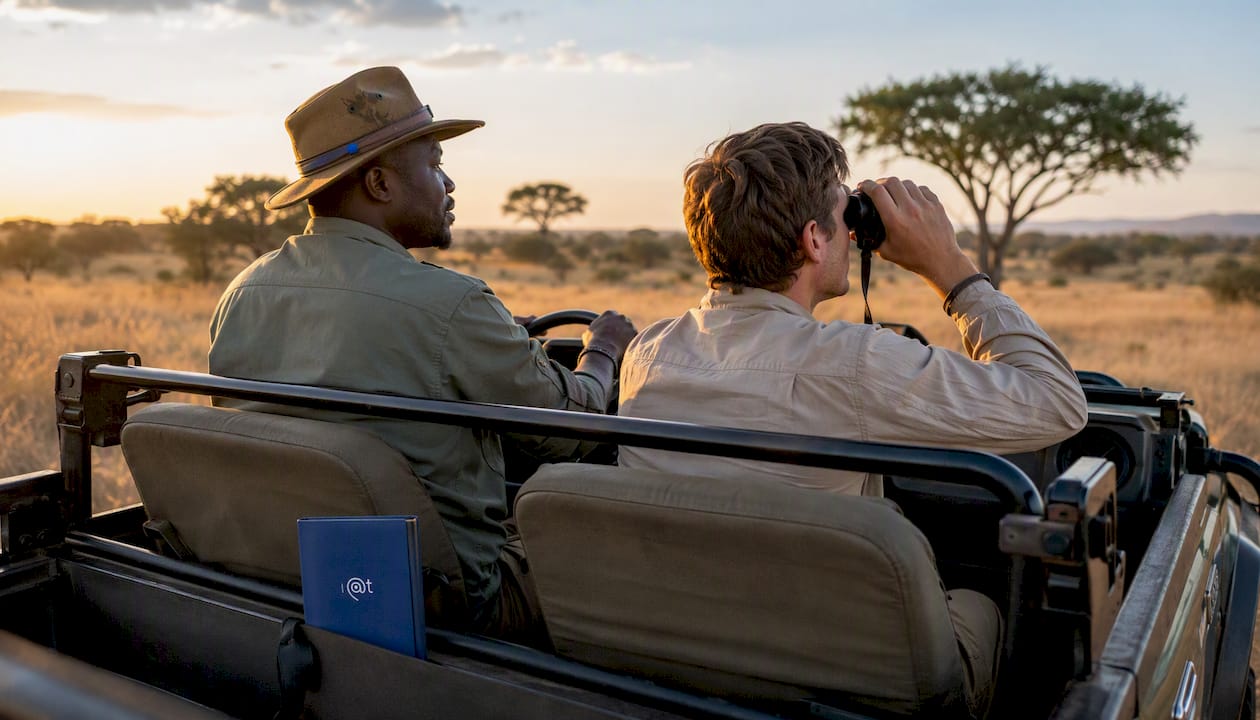
Most professional safaris use a two-person system: a guide who drives and interprets, and a tracker who sits on a seat mounted to the front of the vehicle and reads the ground. The tracker spots fresh spoor (footprints, broken grass, dung), listens for distress calls, and directs the guide toward recent animal activity. A tracker's ability to read signs is often the single biggest factor in whether guests see rare animals or only the common ones.
Lodge staff round out the experience: camp managers, naturalists who run bush walks, and community liaisons who arrange cultural visits. In well-run operations, these roles connect seamlessly.
Vehicles and gear
The standard game-drive vehicle is an open 4x4, usually a Land Cruiser or Land Rover, modified with tiered bench seating so every passenger has an unobstructed view. No doors, no roof, no glass between you and the animals. Most lodges limit vehicles to 6–8 guests. Bring a jacket even in summer: open vehicles at speed in the early morning are cold.
For photography, a beanbag draped over the vehicle door is more stable than a tripod in a moving vehicle. A 100–400mm zoom lens covers most situations. Mirrorless cameras with fast autofocus handle low-light dawn conditions better than older DSLRs.
Safety and etiquette at sightings
Stay seated and keep your voice low. Animals respond to silhouettes, not faces. The moment you stand up in a vehicle, you become something unfamiliar, and a relaxed lion becomes a wary one.
The rules are simple: never stand, never shout, never reach out toward animals, and follow your guide's instructions without debate. Guides read animal body language constantly. If they say it's time to move, it's time to move.
Pro Tip: Ask your guide to explain what the tracker is reading before each sighting. Understanding the chain of clues, from a broken twig to a fresh kill, makes the eventual encounter far more meaningful.
How to plan and book a safari tour
When to go: seasons and sightings
The dry season is generally the best time for wildlife viewing. Vegetation thins out, animals concentrate around water sources, and roads are passable. In East Africa, that means roughly June through October. Southern Africa's dry season runs May through October. The wet season brings lush scenery, newborn animals, and far fewer tourists, but some roads become impassable and thick vegetation makes spotting harder.
The Great Migration in the Serengeti and Masai Mara peaks between July and September, when massive herds of wildebeest cross the Mara River. If that's your target, book 12–18 months ahead.
Costs and what drives them
Safari pricing varies enormously. A budget overland tour might run a few hundred dollars per person per day. A private luxury lodge in Botswana's Okavango Delta can exceed $1,500 per person per night. The main cost drivers are accommodation level, group size, destination exclusivity, and whether internal flights are included. Short, well-priced options like a Pilanesberg full-day game drive from Johannesburg or a 2-day overnight safari from Cape Town let you test the experience without committing to a two-week itinerary.
A practical rule: plan for a minimum of three nights per camp. Moving too frequently means you never settle into the local wildlife rhythms that produce the best sightings.
Health, vaccinations, and visas
Before booking, consult the CDC's travel health pages for country-specific vaccine and malaria prophylaxis recommendations. Yellow fever vaccination is required for entry into some countries if you're arriving from a yellow fever zone. Malaria prophylaxis is strongly recommended for most sub-Saharan destinations. Travel insurance with medical evacuation coverage is not optional in remote areas.
Visa requirements vary by country. Kenya, Tanzania, and South Africa all have different entry rules for U.S. passport holders. Check each country's official immigration site and the U.S. State Department's travel advisories before you book.
Packing checklist
- Clothing: Neutral, earthy tones (khaki, tan, olive green). Avoid black and dark navy, which absorb heat and attract tsetse flies. Layer up: mornings are cold, afternoons are hot.
- Footwear: Closed-toe shoes for walking safaris; sandals for lodge downtime.
- Sun protection: High-SPF sunscreen, a wide-brim hat, UV-blocking sunglasses.
- Camera gear: 100–400mm zoom lens, extra batteries, memory cards, a beanbag for vehicle stability.
- Luggage: Many internal bush flights restrict bags to 15 kg (33 lbs) in soft-sided bags only. Hard-shell suitcases won't fit in small aircraft.
- Essentials: Insect repellent (DEET-based), personal medications, a headlamp, and a small daypack.
Pro Tip: Pack a fleece or light down jacket regardless of the season. Open vehicles at 5:30 AM in July, even in southern Africa, are genuinely cold.
How can safaris support conservation and local communities?
The best safaris do more than entertain. They fund the protection of the land and the livelihoods of the people who live alongside wildlife.
What responsible safari travel looks like
Park fees paid by visitors directly fund anti-poaching units, ranger salaries, and habitat management. Private conservancies often go further, employing local community members as guides, trackers, and lodge staff, and channeling a portion of revenue into schools, clinics, and water infrastructure. Namibia's communal conservancy model, for example, has been credited with significant recoveries in lion and elephant populations in areas where wildlife had nearly disappeared.
The most powerful conservation tool in Africa isn't a law or a fence. It's a community that earns more from a living elephant than from a dead one. Responsible tourism makes that math work.
Red flags to watch for
Not every "safari" operation deserves that name. Avoid any experience that involves:
- Petting lion cubs or walking with captive lions (these animals are almost always part of the canned hunting pipeline)
- Riding elephants (causes spinal damage and requires cruel breaking methods)
- Posing with sedated or chained wildlife
- Operators who can't name their conservation partners or community employment practices
Pro Tip: Before booking, ask the operator two questions: "What percentage of your staff are from local communities?" and "Which conservation body do you partner with?" Operators who can't answer both questions clearly are worth skipping.
Look for lodges affiliated with recognized conservation bodies or community trusts. Asilia Africa's giving arm, Asilia Giving, is one example of how lodge groups can structure community and conservation contributions transparently.
Key Takeaways
A safari tour is a guided wildlife expedition built around animal behavior cycles, responsible land use, and the kind of slow, patient attention that no city tour can replicate.
| Point | Details |
|---|---|
| Core definition | A safari is a guided expedition into wild areas, primarily in Africa, focused on observing free-roaming wildlife. |
| Daily rhythm | Two game drives per day at dawn and dusk match animal activity peaks; midday is for rest. |
| Planning essentials | Consult the CDC for vaccines and malaria advice; book dry-season trips 6–18 months ahead. |
| Responsible travel | Choose operators who employ local communities and can name their conservation partners. |
| Book via Im-at | Im-at lists safari formats from full-day game drives to multi-night lodge packages, with secure online booking. |
What first-timers should really expect on safari
Most people arrive expecting a highlight reel. What they get is something slower and stranger and better than that.
The honest truth about a first safari is that patience is the skill nobody tells you to practice. You will spend long stretches of a game drive watching an empty horizon, and then a leopard will materialize from a tree branch fifteen feet away and everything you thought you understood about wild animals will quietly rearrange itself. That gap between expectation and reality is not a disappointment. It's the point.
What makes the difference, almost every time, is the quality of your guide. A guide who reads the bush fluently, who knows the individual animals in a territory, who can explain why a herd of elephants just changed direction, turns a game drive into something closer to a conversation. A mediocre guide turns it into a bus tour with better scenery.
For nervous first-timers: the animals are not interested in you. You are a strange, boxy, diesel-smelling object to them. Stay seated, stay quiet, and trust your guide. The fear dissolves within the first hour, replaced by something that feels a lot like awe.
Ready to find your safari experience?
Sorting through safari formats, destinations, and operators takes time you may not have. Im-at cuts that process down to minutes. The platform lists everything from tailor-made 4x4 tours and multi-night reserve packages to full-day game drives, with real itineraries, dates, and transparent pricing from vetted local providers.
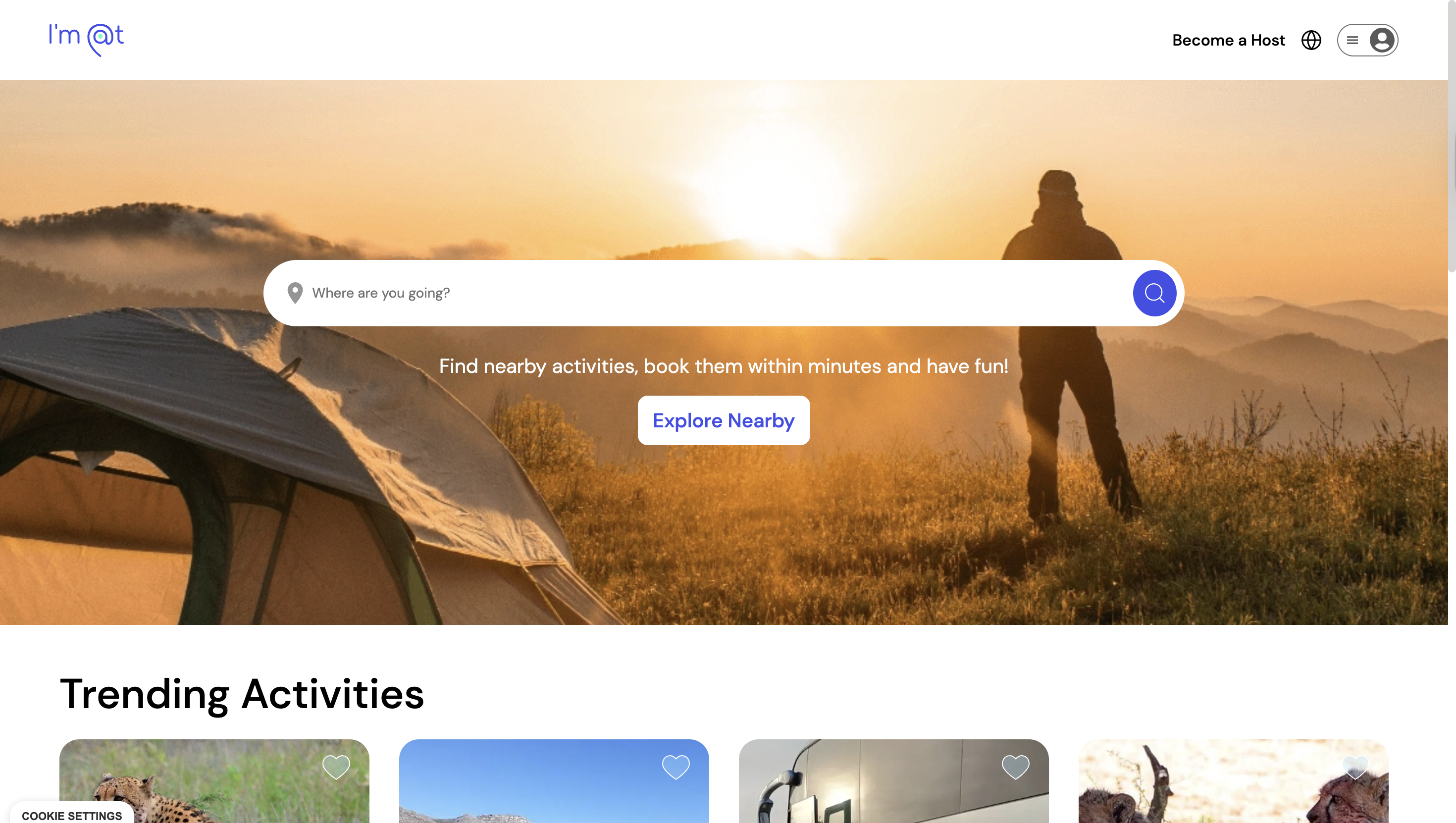
Whether you want a 3-night Hwange safari or a short overnight reserve experience to test the waters, Im-at lets you compare options side by side and book securely in one place. No back-and-forth emails, no guesswork on what's included. Browse available safari experiences on Im-at and lock in your dates today.
Useful sources
- Merriam-Webster: safari — authoritative English-language definition and Swahili etymology
- Cambridge Dictionary: safari — concise modern definition emphasizing wildlife viewing over hunting
- Dictionary.com: safari — reinforces the shift to wildlife observation in natural environments
- Wikipedia: Safari — historical context on hunting expeditions and the evolution to photographic safaris
- Asilia Africa: What to Expect on an African Safari — detailed breakdown of a typical safari day and guide/tracker roles
- CDC Travel Health — country-specific vaccine and malaria prophylaxis recommendations for U.S. travelers
- Asilia Giving — example of transparent conservation and community funding by a safari operator
- Im-at safari and activity listings — browse and book safari experiences, game drives, and multi-night packages