
TL;DR:
- Offbeat destinations offer authentic experiences with fewer crowds and greater cultural depth.
- Travelers seeking unique, meaningful trips prioritize local interactions and personalized stories.
- Proper research, flexibility, and cultural understanding are essential for a rewarding offbeat travel experience.
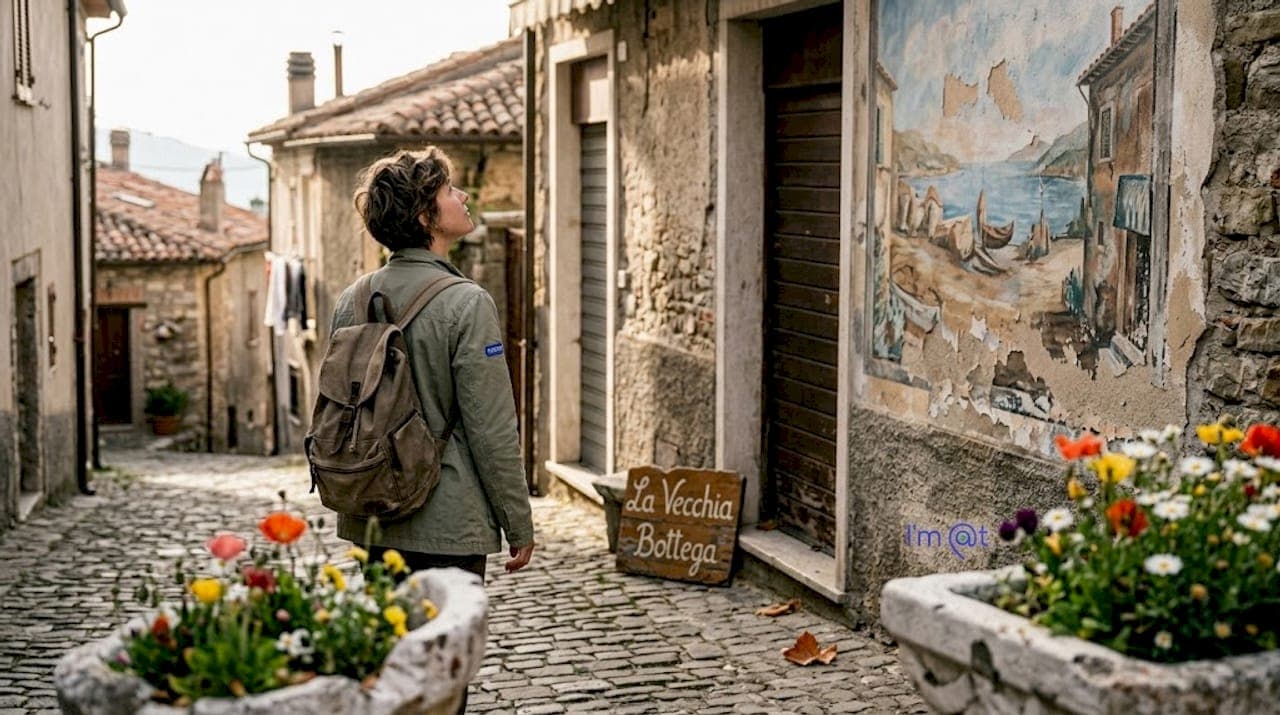
Most travelers assume the most-visited places are the best places. That logic feels safe, but it rarely leads to the most memorable trips. The truth is, the experiences that stay with you, the ones you tell stories about years later, almost never happen at the most crowded landmarks. Travelers prioritize unique experiences (45%) and personal interests (55%) over simply following the tourist trail. That shift in mindset is exactly what offbeat travel is built on. This guide breaks down what offbeat destinations actually are, why they matter, and how you can find and make the most of your next hidden gem adventure.
Table of Contents
- What makes a destination offbeat?
- Key benefits of exploring offbeat destinations
- How to find and choose the right offbeat destination
- Maximizing your experience: tips for offbeat travel
- Why the real value of offbeat travel is deeper than adventure
- Explore hidden adventures with IM-AT
- Frequently asked questions
Key Takeaways
| Point | Details |
|---|---|
| Authenticity matters | Offbeat destinations offer genuine cultural experiences and memorable moments beyond traditional tourist spots. |
| Personalized travel | Traveling to hidden gems lets you tailor your adventure to your interests and escape crowded places. |
| Easy discovery steps | You can find and select offbeat destinations with simple research and by connecting with locals. |
| Preparation is key | Successful offbeat travel starts with smart packing, respectful behavior, and readiness for unique experiences. |
| IM-AT connects you | IM-AT’s platform helps travelers easily discover and book exciting, uncommon adventures. |
What makes a destination offbeat?
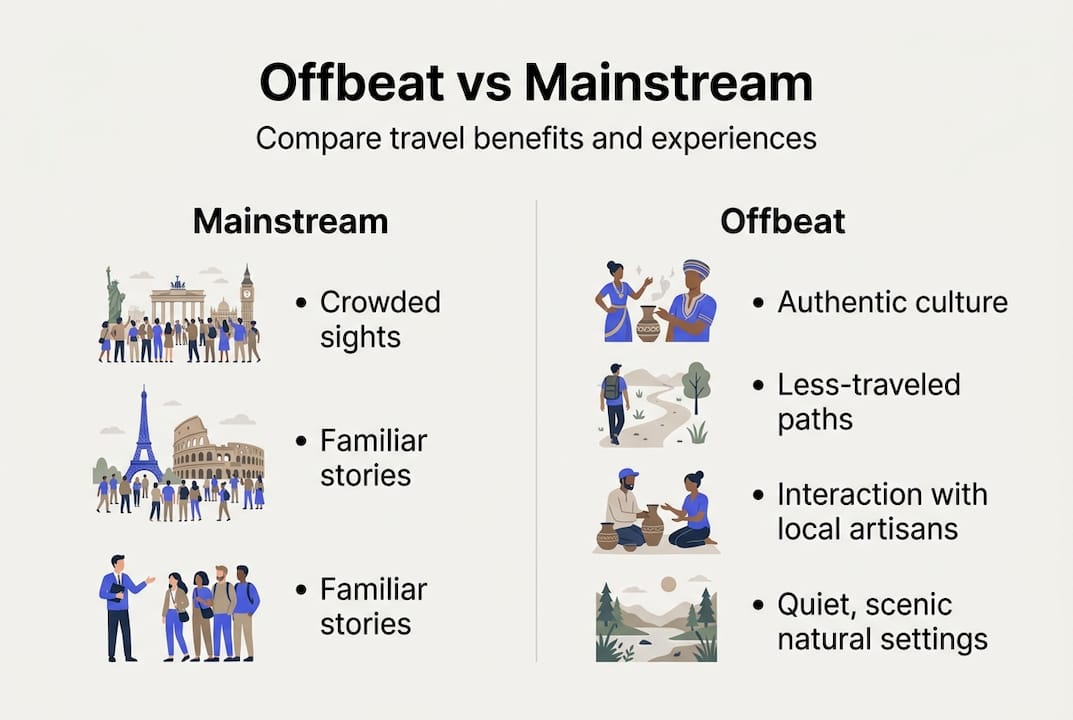
An offbeat destination is any place that sits outside the mainstream tourist circuit. It is not necessarily remote or hard to reach. It just means fewer tour buses, fewer selfie crowds, and a lot more room to actually experience a place on its own terms. Think small fishing villages in Portugal instead of Lisbon, or a community-run wildlife reserve in Namibia instead of the Serengeti.
The core difference between offbeat and mainstream destinations comes down to three things: authenticity, crowd levels, and cultural depth. Mainstream spots are often optimized for tourism, which means you get curated versions of local life. Offbeat destinations give you the unfiltered version. You eat where locals eat, you walk streets that were not designed for photo ops, and you leave with a real sense of a place.
Offbeat destinations generally fall into a few broad categories:
- Nature escapes: Hidden national parks, unmarked hiking trails, lesser-known coastlines
- Cultural hubs: Small towns with living traditions, local festivals, artisan communities
- Adventure zones: Emerging destinations for climbing, diving, cycling, or trekking
- Historical sites: Ruins and landmarks that are significant but not yet overrun
Here is a quick comparison of what sets offbeat travel apart:
| Feature | Mainstream destination | Offbeat destination |
|---|---|---|
| Crowd levels | High | Low to moderate |
| Pricing | Often inflated | Generally affordable |
| Cultural authenticity | Partially staged | Genuine and immersive |
| Environmental impact | Often overtourism | Sustainable and low-impact |
| Flexibility | Fixed itineraries | Fully customizable |
Travel enthusiasts are increasingly drawn to this kind of experience. As niche tourism motivations show, personal interest and unique experiences now drive most travel decisions. If you want a deeper look at how to approach this, the travel discovery guide is a great place to start building your framework.
Key benefits of exploring offbeat destinations
Choosing an offbeat destination is not just a stylistic preference. It delivers real, tangible advantages that mainstream travel simply cannot match.
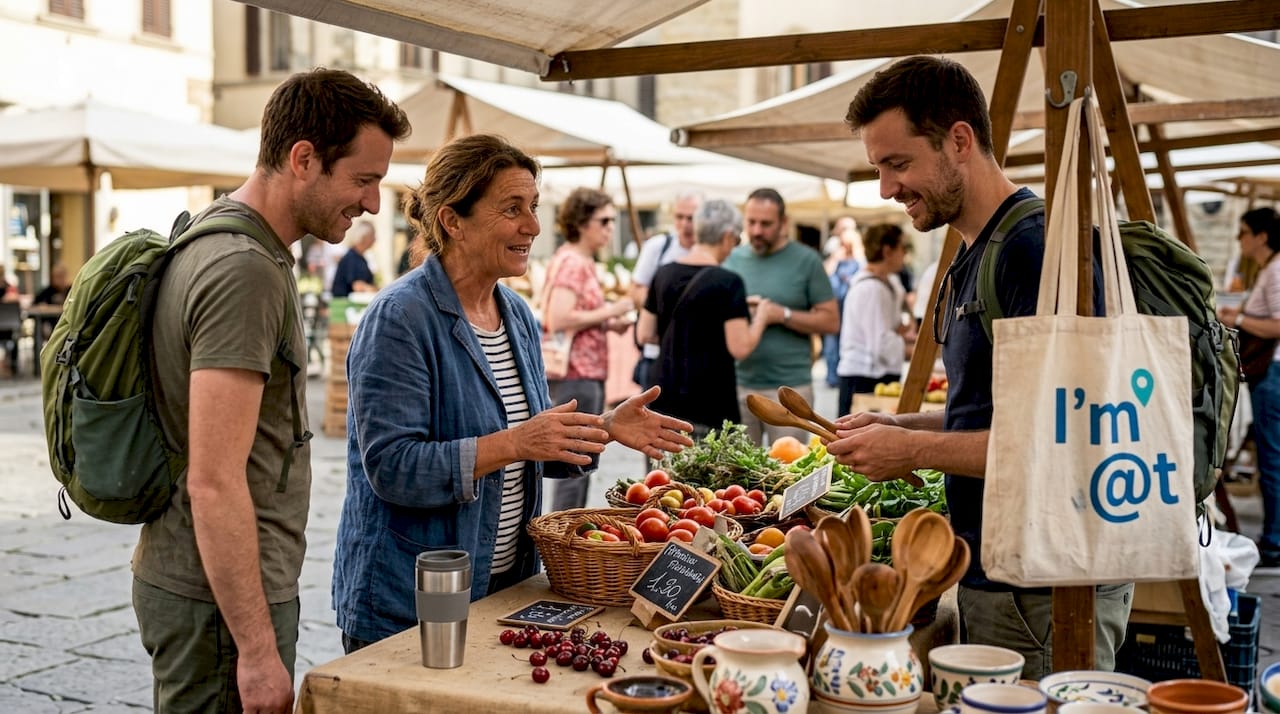
1. Authentic cultural connections When you visit a place that has not been polished for tourists, you experience culture as it actually exists. You might stumble into a local market, get invited to a family celebration, or learn a craft from someone who has been doing it for decades. These moments are not on any itinerary. They happen because you are in the right place at the right time, and that place is not overrun.
2. Personalized stories worth telling Everyone has photos from the Eiffel Tower. Almost nobody has photos from a rooftop dinner in a medieval Moroccan village or a sunrise kayak through a bioluminescent bay in Puerto Rico. Authentic experiences become the stories that define your travel identity.
3. A more relaxed, present experience Crowded destinations create anxiety. Long lines, noise, and the pressure to "see everything" drain the joy out of travel. Offbeat destinations let you slow down, stay longer in one spot, and actually absorb what you are seeing.
4. Positive environmental and community impact When you spend money in a lesser-visited area, more of it stays in the local economy. You support small guesthouses, family restaurants, and local guides rather than international hotel chains.
Here is a look at how offbeat travel stacks up on key traveler priorities:
| Traveler priority | Mainstream travel | Offbeat travel |
|---|---|---|
| Unique experience | Moderate | Very high |
| Value for money | Low | High |
| Environmental responsibility | Often low | Generally high |
| Personal growth | Limited | Significant |
"The best journeys are the ones that change how you see the world, not just where you have been." This is the philosophy behind every truly memorable trip.
Data backs this up. 55% of travelers now choose destinations based on personal interests, not popularity. That is a massive shift from the old "must-see" checklist approach. For inspiration on what these experiences can look like in practice, browse memorable travel ideas that go well beyond the ordinary.
Pro Tip: Book accommodation with locally owned guesthouses rather than international chains. You will get better local knowledge, more personalized service, and your money directly supports the community you are visiting.
How to find and choose the right offbeat destination
Knowing offbeat travel is valuable is one thing. Actually finding the right destination for you is another. Here is a practical approach to get started.
Where to research:
- Specialty travel blogs and forums (look for posts from actual travelers, not sponsored content)
- Local tourism boards for smaller regions and provinces
- Social media communities focused on adventure or slow travel
- Word of mouth from fellow travelers who have been somewhere unexpected
- Small-group tour operators who specialize in niche destinations
When exploring new destinations, the key is to match the destination to your actual interests, not just what looks good in photos.
How to evaluate a destination:
- Check authenticity signals: Are most reviews from locals or from repeat independent travelers rather than package tourists?
- Assess accessibility: Can you get there without a 48-hour journey? Offbeat does not have to mean unreachable.
- Align with your interests: A nature lover will thrive in a remote canyon. A history buff might prefer a forgotten medieval town.
- Review safety information: Check government travel advisories and recent traveler reports.
- Look for local guides: A destination with active local guides is a sign of a healthy, welcoming travel ecosystem.
Connecting with locals is often the fastest shortcut to finding the best experiences. Online expat groups, local Facebook communities, and platforms that list travel activities run by local guides are goldmines for this kind of insider knowledge.
Pro Tip: Use the "personal interests" filter as your first screening tool. Travelers who choose based on personal interests (55%) report higher satisfaction than those chasing popular destinations. Ask yourself: what do I actually love doing? Then find a place that does that really well.
Maximizing your experience: tips for offbeat travel
Finding the right destination is half the work. Getting the most out of it requires a bit of preparation and the right mindset.
Before you go:
- Learn at least 10 basic phrases in the local language. Locals notice and appreciate the effort.
- Research cultural norms around dress, photography, and behavior. What is polite in one place can be offensive in another.
- Download offline maps. Cell service in offbeat areas can be unreliable.
- Pack for flexibility. Weather and plans change. Layers, a good rain jacket, and a versatile daypack cover most situations.
- Tell someone your itinerary, especially if you are traveling solo to remote areas.
While you are there:
- Say yes to invitations from locals. Some of the best travel memories come from unplanned moments. Local experiences that feel spontaneous are often the ones you remember most.
- Eat where locals eat. If a restaurant has a menu only in the local language, that is usually a very good sign.
- Slow down. Resist the urge to check off sights. Spend an extra day somewhere that surprises you.
- Respect the environment. Offbeat destinations are often fragile ecosystems. Leave no trace.
Common pitfalls to avoid:
- Over-planning: Leave room for spontaneity. Rigid itineraries kill the magic of offbeat travel.
- Underestimating logistics: Remote areas may need more planning for transport and accommodation.
- Ignoring local etiquette: Understanding how locals shape travel will make you a more welcome and respected guest.
The drive behind offbeat tourism is deeply personal. The travelers who get the most out of it are the ones who go in curious, flexible, and genuinely open to being surprised.
Pro Tip: Keep a simple travel journal, even just a few sentences per day. Offbeat trips are rich with detail that fades fast. Writing it down locks in the texture of the experience.
Why the real value of offbeat travel is deeper than adventure
Here is something most travel guides will not tell you: the point of offbeat travel is not to avoid other tourists. That is a side effect, not the goal. The real value is that you stop being a spectator and start becoming part of a living story.
When you travel somewhere that is not optimized for visitors, you are forced to engage differently. You have to communicate more, adapt more, and rely on the kindness of strangers more. That friction, the small daily challenges of navigating an unfamiliar place without a tourist infrastructure holding your hand, is exactly what builds real confidence and genuine perspective.
The best travel memories rarely come from the most famous places. They come from the unexpected: a wrong turn that led to a stunning viewpoint, a conversation with a stranger that changed how you think about your own life, a meal that you still dream about years later. These are the unforgettable adventures that reshape your worldview.
Offbeat travel does not just change your itinerary. It changes you. And that is the part worth chasing.
Explore hidden adventures with IM-AT
You have the mindset. Now you need the right platform to turn that curiosity into a real trip. IM-AT is built exactly for this kind of traveler. Whether you want to uncover something unexpected like the Unholy Secrets event or explore an iconic region through a curated journey like the Cape Town 3-day tour, the platform connects you with experiences that go well beyond the standard tourist package.
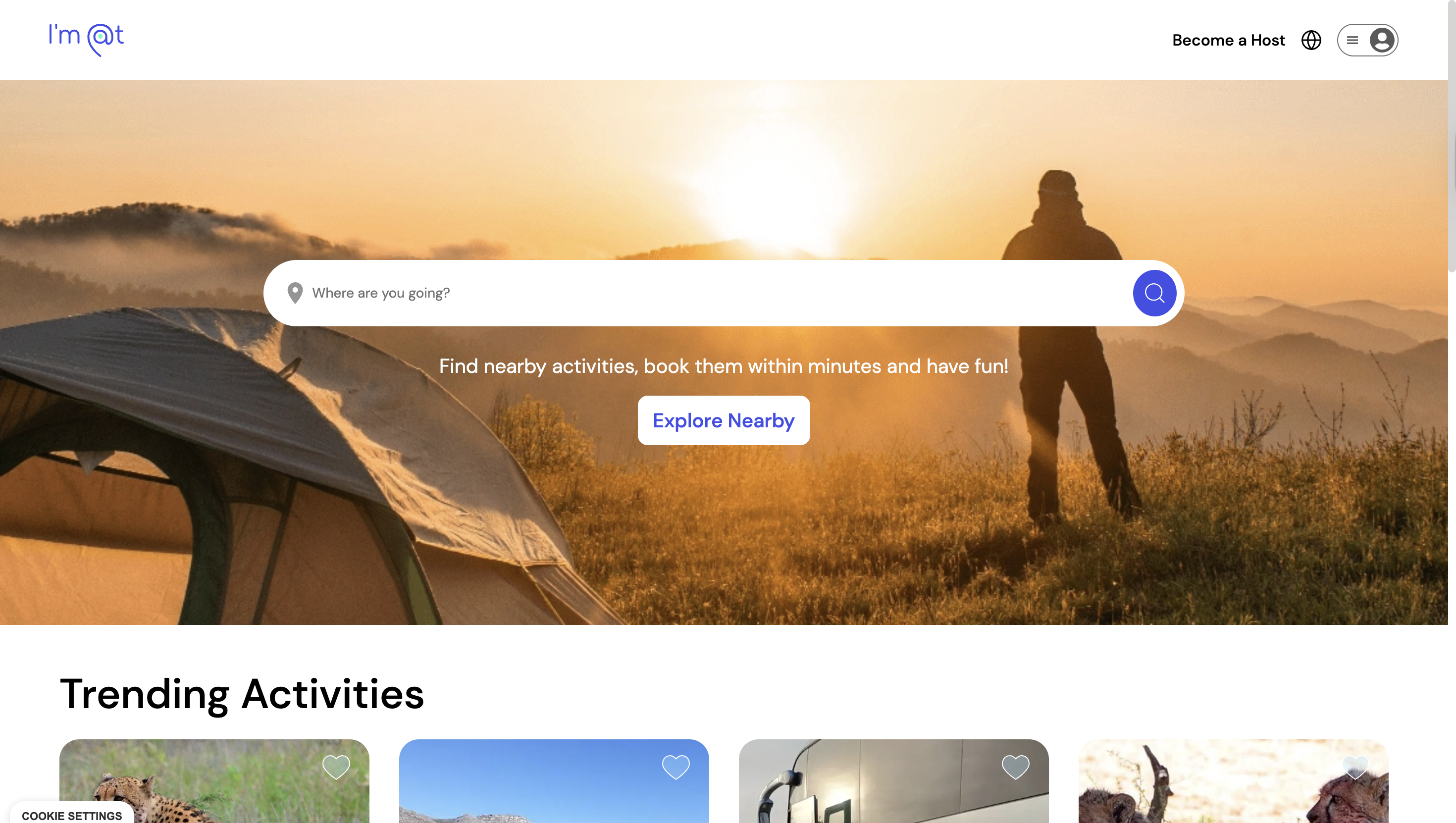
IM-AT makes it easy to search, discover, and book activities led by local guides and trusted operators in destinations worldwide. No endless scrolling through generic listings. Just real experiences, ready to book in minutes. Visit IM-AT and start planning your next offbeat adventure today.
Frequently asked questions
What defines an offbeat destination in travel?
An offbeat destination is a place away from typical tourist trails that offers authentic local culture, fewer crowds, and unique experiences. 45% of travelers now actively seek out unique experiences over popular landmarks.
What are the main benefits of visiting offbeat destinations?
Offbeat destinations offer authentic cultural immersion, less crowded sights, and more memorable travel stories compared to mainstream locations. Niche tourism data shows that travelers who prioritize unique experiences report significantly higher satisfaction.
How can I find undiscovered travel spots and hidden gems?
Use specialty travel blogs, connect with locals, and search for small-group tours focused on unique destinations to uncover hidden gems. Personal interests drive 55% of destination choices, so starting with what you love is the most effective filter.
Are offbeat destinations safe for solo travelers?
Most are safe, but it is essential to research local customs, check recent traveler reviews, and plan ahead for unfamiliar or remote areas before you go.
What should I pack for an offbeat adventure?
Pack flexible clothing, a reliable daypack, offline maps, and items tailored to your specific destination's climate and planned activities for the best experience.