

TL;DR:
- Finding authentic local guides through personal referrals, direct messaging, and online research creates memorable travel experiences. Verifying credentials, reading recent reviews, and confirming logistics ensures quality and safety before booking. Booking directly with operators supports fair pay, customization, and ongoing relationships, elevating your adventure beyond generic tours.
Finding local tours means connecting with vetted, authentic guides who deliver experiences that no hotel package or generic bus trip can replicate. The difference between a forgettable afternoon and a genuinely memorable one almost always comes down to how you found and booked your guide. Knowing how to find local tours separates travelers who come home with stories from those who come home with receipts. The process combines smart use of online platforms, personal referrals, direct booking, and a few non-negotiable logistics checks. Get these right, and you will consistently find the best local tour options wherever you travel.
What resources can you use to find local tours?
The most reliable starting point for any traveler is a personal referral. Hotel concierge services and local tourism boards remain the most trustworthy channels for finding reputable guides, because these sources have reputational skin in the game. A concierge who sends you to a bad guide loses your trust and their tip. That accountability makes their recommendations far more reliable than an anonymous algorithm.
Online marketplaces give you volume and convenience. Platforms like GetYourGuide, ToursByLocals, and Airbnb Experiences aggregate thousands of operators and display reviews, pricing, and availability in one place. They are genuinely useful for discovery, meaning for identifying what kinds of tours exist in a destination. Where they fall short is in ranking quality. Major platforms prioritize paid placement over pure guide quality, so the top results are not necessarily the best guides. Use these platforms as a research tool, not as a final authority.
Travel forums like TripAdvisor forums, Reddit's r/travel, and destination-specific Facebook groups are underused discovery channels. Real travelers post specific, unsponsored recommendations in these spaces, often naming individual guides by name. These mentions carry weight precisely because there is no commercial incentive behind them. Searching "[destination] + best local guide" in any active travel community will surface names that never appear on the first page of GetYourGuide.
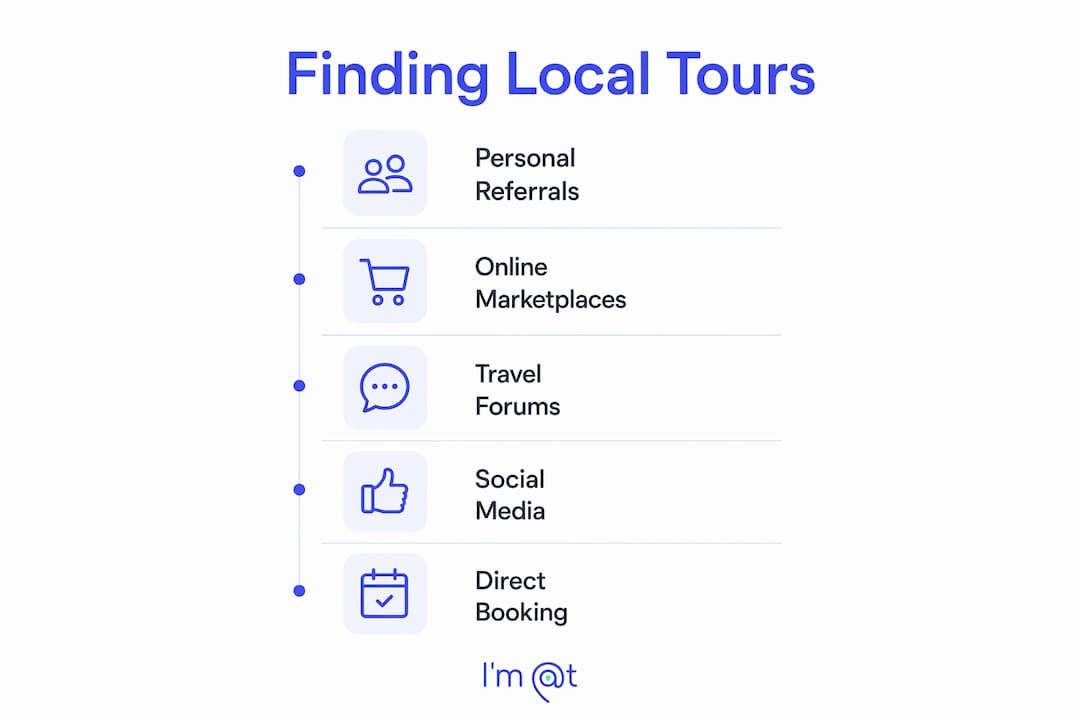
Social media profiles, particularly Instagram, have become a practical vetting tool. A guide who posts regularly about their tours, shares local knowledge, and responds to comments is showing you their personality before you spend a dollar. That preview matters more than most travelers realize.
Pro Tip: When searching for local sightseeing tours near you, type the destination name plus "private guide" or "local expert" directly into Google. You will often land on the operator's own website, bypassing platform markups entirely.
How to vet and choose the best local tour guides
Vetting a guide before booking is not optional. It is the single step that separates a great experience from a wasted afternoon. Here is a practical sequence that works consistently:
-
Check credentials and specialties first. A wildlife guide in Kruger should hold a Field Guides Association of Southern Africa (FGASA) certification. A history guide in Rome should be able to name their academic background or licensed guide status. Credentials are not just bureaucratic boxes. They signal that the guide has been evaluated by someone other than their own customers.
-
Read recent reviews for patterns, not averages. A guide with 4.7 stars and 200 reviews is less informative than reading the last 10 reviews for recurring themes. Look for words like "punctual," "knowledgeable," "flexible," and "communicative." Watch for complaints about lateness, vague answers, or rushed tours. Communication quality is the most reliable signal of a trustworthy guide, according to travel expert Bailey Berg at Fodor's.
-
Send a direct message before booking. Ask one specific question about the tour. How quickly they respond, how thoroughly they answer, and whether they show genuine enthusiasm tells you everything. A guide who replies within hours with a detailed, personalized answer is demonstrating exactly the behavior you want on the day of the tour.
-
Ask about group size and customization. A guide willing to adjust the itinerary for your interests is a guide who treats you as an individual, not a ticket number. Guides who offer rigid, take-it-or-leave-it programs are often running volume operations where your experience is secondary.
-
Verify language fluency directly. If you need an English-speaking guide, confirm this in your initial message. Do not rely on a platform's language tag. One exchange will tell you whether communication will be smooth or frustrating on the day.
Pro Tip: Check the guide's role in authentic travel before committing. A guide who has shaped their tours around local culture rather than tourist convenience will almost always deliver a richer experience.
Why and how to book local tours directly with operators
Booking directly with a tour operator is the single most impactful decision you can make after choosing a guide. Booking direct ensures guides receive full payment and gives you direct access to the person running your experience. Platforms typically take commissions that can significantly reduce what the guide actually earns, which creates financial pressure that can affect tour quality over time.

The process of finding a direct booking option takes about 30 seconds. Once you identify a guide or operator on a platform, copy their name and search it directly in Google. Most established operators have their own website or a direct contact method. If they do not, a quick message through the platform asking for their direct contact is entirely appropriate.
Here is a direct comparison of booking through a platform versus booking direct:
| Factor | Platform booking | Direct booking |
|---|---|---|
| Guide's earnings | Reduced by commission | Full payment received |
| Communication | Filtered through platform | Direct with your guide |
| Customization | Limited to listed options | Flexible and personal |
| Cancellation handling | Platform policies apply | Negotiated directly |
| Relationship building | Transactional | Ongoing and personal |
"Booking direct gives operators your contact information, allowing them to build a relationship beyond a single tour and offer you future experiences tailored to your interests." — Alternative Routes
Direct booking also supports authentic travel by keeping local guides financially viable and independent. When guides earn full fees, they can invest in better equipment, deeper research, and more personalized service. For travelers, this translates directly into a better experience. For local economies, it means tourism money stays in the community rather than flowing to a platform's headquarters. You can read more about this dynamic in Im-at's guide to authentic local experiences.
What logistical details should travelers confirm before booking?
Logistics are where well-intentioned bookings go wrong. Confirming the following details before you pay protects your time, money, and safety:
- Pickup and return locations. Confirm the exact meeting point, not just the neighborhood. For cruise passengers, this means specifying the port terminal and pier number. Verifying pickup and return times is critical for shore excursions where missing the ship is a real consequence.
- Guaranteed return times. If your tour ends near a flight, train, or ship departure, ask the guide explicitly whether they guarantee on-time returns. Get this in writing. A guide who hedges on this question is a guide who has not planned for contingencies.
- Cancellation and refund terms. Policies vary widely. Some operators offer full refunds up to 24 hours before the tour. Others are non-refundable. Understand this before you book, not after a weather event forces a change.
- Group size. Small-group tours of 8 or fewer people consistently deliver more personalized attention. Large groups above 15 often mean the guide is managing logistics rather than sharing knowledge.
- Physical demands and accessibility. A tour described as "moderate hiking" can mean anything from a 20-minute walk to a 3-hour climb. Ask the guide to describe the physical requirements specifically, including terrain type and elevation.
Logistics management, specifically pickup timing and cancellation terms, is the primary risk factor for independent bookings. Travelers who skip this step account for the majority of complaints about local tour experiences. Spending five minutes confirming these details before booking eliminates most of the risk.
What are common mistakes to avoid when booking local tours?
Most booking mistakes are avoidable with a small amount of deliberate attention. These are the errors that consistently derail otherwise well-planned trips:
-
Trusting star ratings without reading the reviews. A 4.8-star average means nothing if the most recent reviews mention a guide who was distracted, late, or dismissive. Professionalism is best evaluated through communication patterns, not aggregate scores.
-
Assuming top platform results are the best guides. Paid placement distorts rankings on every major booking platform. The guide at position one paid to be there. The guide at position seven may be significantly better. Always cross-reference with forums and direct searches.
-
Booking last-minute without vetting. Availability pressure creates bad decisions. A tour booked the night before because it was the only option available is a tour booked without any of the vetting steps that make the difference. Build at least 48 hours of research time into your planning.
-
Skipping language compatibility checks. Assuming a guide listed as "English-speaking" is fluent enough for nuanced conversation is a common mistake. One direct message exchange before booking confirms this instantly.
-
Ignoring safety practices for adventure tours. For outdoor activities like hiking, kayaking, or 4x4 safaris, ask specifically about safety equipment, guide-to-guest ratios, and emergency protocols. A guide who cannot answer these questions clearly is not a guide you want leading you into remote terrain.
Key takeaways
Finding and booking authentic local tours requires combining trusted referral sources, direct operator contact, and thorough logistics confirmation before any money changes hands.
| Point | Details |
|---|---|
| Use multiple discovery channels | Combine hotel referrals, travel forums, and social media to find guides that platforms don't surface. |
| Vet guides through direct communication | Send a specific question before booking; response quality predicts tour quality. |
| Book direct whenever possible | Direct booking maximizes guide earnings, enables customization, and builds a real relationship. |
| Confirm logistics before paying | Verify pickup points, return guarantees, group size, and cancellation terms in writing. |
| Don't rely on star ratings alone | Read recent reviews for patterns in professionalism and communication, not just the average score. |
Why the best tours I've ever taken started with a direct message
Every tour experience that genuinely changed how I see a place started the same way: I found the guide somewhere unexpected, sent them a direct message with a specific question, and booked directly based on how they responded. Not through a platform checkout. Not because they ranked first. Because they answered my question like someone who actually cared about the answer.
The conventional advice is to use the big platforms because they offer buyer protection and easy refunds. That is not wrong, but it misses the point. Buyer protection is most valuable when something goes wrong. The goal is to choose a guide where nothing goes wrong because you did the work upfront. The local excursion experience you remember five years later is almost never the one you booked in 30 seconds on a platform.
What I have found is that guides who operate direct bookings are almost always more invested in your experience. They know you chose them specifically, not because an algorithm served them up. That awareness changes how they show up. They remember your name. They adjust the route when you mention an interest. They introduce you to people you would never meet on a group bus tour.
The time investment in vetting is real. Sending messages, reading forums, and cross-referencing reviews takes longer than clicking "Book Now." But the return on that time is not marginal. It is the difference between a tour you forget and a day you describe to people for years. That trade is worth it every single time.
— Mikahil
Discover curated local tours through Im-at
Im-at connects travelers directly with vetted local operators running experiences that go well beyond standard sightseeing. The platform's catalog spans outdoor adventures, cultural immersions, and multi-day regional packages, all designed to put you in the hands of guides who know their territory deeply.
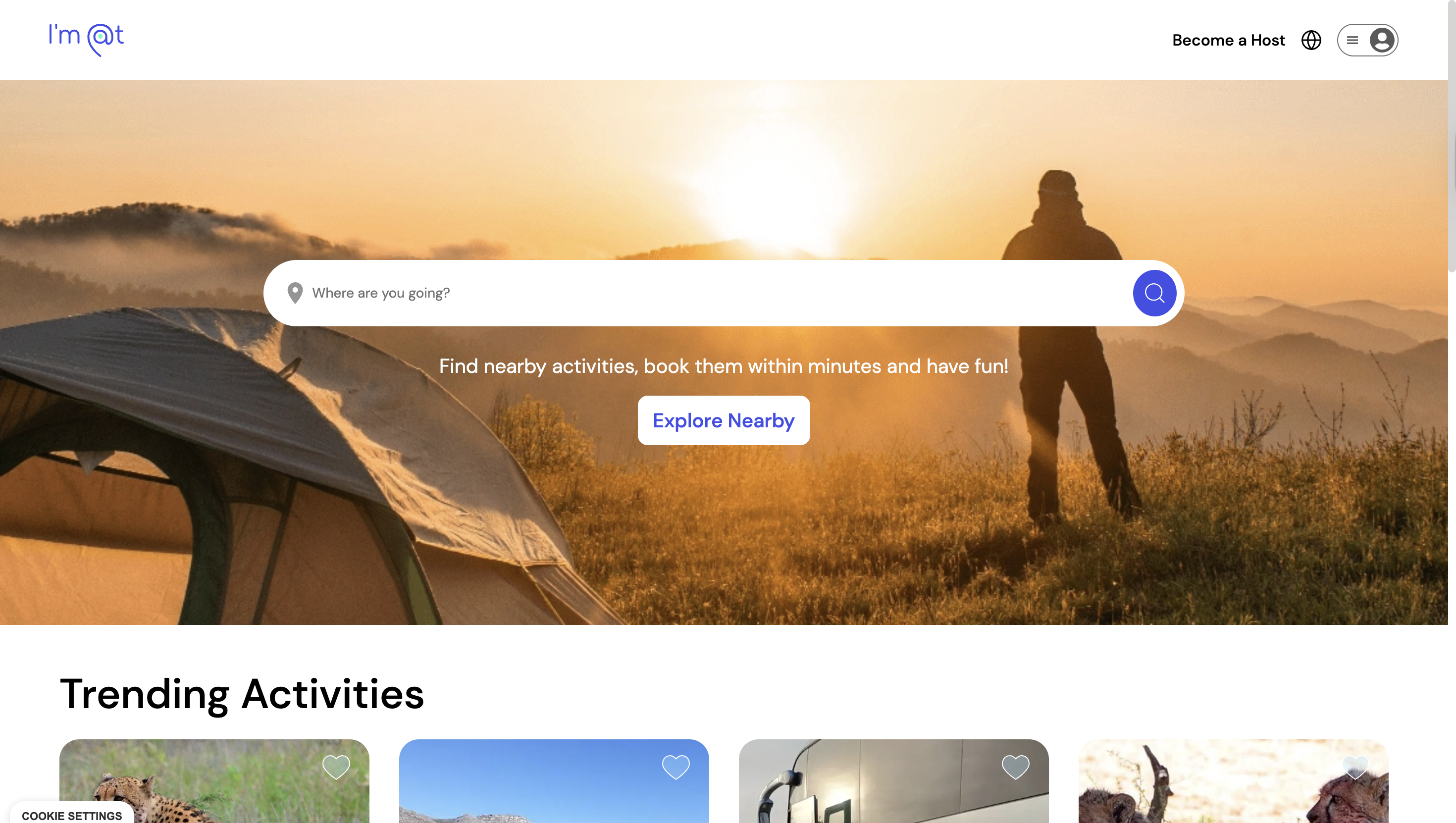
For travelers who want a tailor-made experience, Im-at's custom 4x4 tours let you build a route around your specific interests with a local expert behind the wheel. If you are planning time in South Africa, the Cape Town 3-day package covers township culture, the Cape Peninsula, and wine tasting with guides who live the city they show you. For something in Europe, the Douro Valley small-group tour combines wine tasting, lunch, and a river cruise in one of Portugal's most spectacular regions. Browse the full catalog at Im-at and book the kind of experience you will actually remember.
FAQ
How do I find trustworthy local tour guides?
Start with personal referrals from your hotel concierge or the local tourism board, then verify candidates online through recent reviews and a direct message exchange. Trustworthy guides respond quickly, communicate clearly, and can answer specific questions about their tours without hesitation.
Where is the best place to book local tours?
The best place to book is directly on the operator's own website or via direct contact after discovering them on a platform like GetYourGuide or ToursByLocals. Booking direct ensures the guide receives full payment and gives you direct communication for customization and logistics.
What should I confirm before booking a local tour?
Confirm pickup and return locations, guaranteed return times, group size, cancellation terms, and the physical demands of the tour. For time-sensitive situations like cruise shore excursions, written confirmation of on-time return guarantees is non-negotiable.
Are online tour platforms reliable for finding the best tours?
Platforms are useful for discovery but not for ranking quality. Paid placement means top results reflect marketing budgets, not guide excellence. Use platforms to identify options, then cross-reference with travel forums and direct searches before booking.
How far in advance should I book a local tour?
Book at least 48 to 72 hours in advance to allow time for proper vetting, direct communication with the guide, and logistics confirmation. Last-minute bookings skip the steps that consistently produce the best experiences.