

TL;DR:
- A travel activity marketplace is a digital platform that consolidates local tours and experiences, enabling travelers to search, compare, and book easily. It generates revenue through commissions and offers key features like real-time availability, verified reviews, secure payments, and offline vouchers to enhance trust and convenience. Choosing the right platform depends on destination coverage, recent reviews, cancellation policies, and local support, with specialized marketplaces serving adventure and experiential travel better than generalist sites.
A travel activity marketplace is a digital platform that aggregates local tours, guided experiences, and outdoor adventures from independent operators into one searchable, bookable catalog. Think of it as the Amazon of experiences: instead of hunting down a safari operator in Cape Town or a wine tour guide in the Douro Valley through separate websites, you browse, compare, and confirm everything in one place. Platforms like Viator and GetYourGuide pioneered this model, and newer entrants like Im-at are expanding it into adventure tourism and experiential travel. The core promise is simple. You spend less time planning and more time doing.
What is a travel activity marketplace and how does it work
A travel activity marketplace functions as a two-sided platform. On one side, local guides, tour operators, and experience providers list their offerings with pricing, availability, and photos. On the other side, travelers search by destination, activity type, or date and book directly through the platform. Online marketplaces accounted for about 62% of global retail e-commerce sales in 2024, totaling around $2.4 trillion. That scale reflects how deeply the marketplace model has reshaped how people buy, including how they buy experiences.

The industry term for this category is "tours, activities, and attractions" (TAA) distribution. The travel activity marketplace is the consumer-facing layer of that distribution chain. When you search for "sunset kayaking in Lisbon" and get 12 options with prices, photos, and 400 reviews, you are using a TAA marketplace. The platform handles payment processing, booking confirmation, and cancellation logistics. The local operator handles the actual experience.
Revenue flows through commissions. Platforms earn between 20% and 40% on each booking, which funds the technology, customer support, and marketing that make the platform useful to you. This commission structure also means operators are motivated to list on multiple platforms, which is why you will often see the same Cape Town township tour on three different sites at slightly different prices.
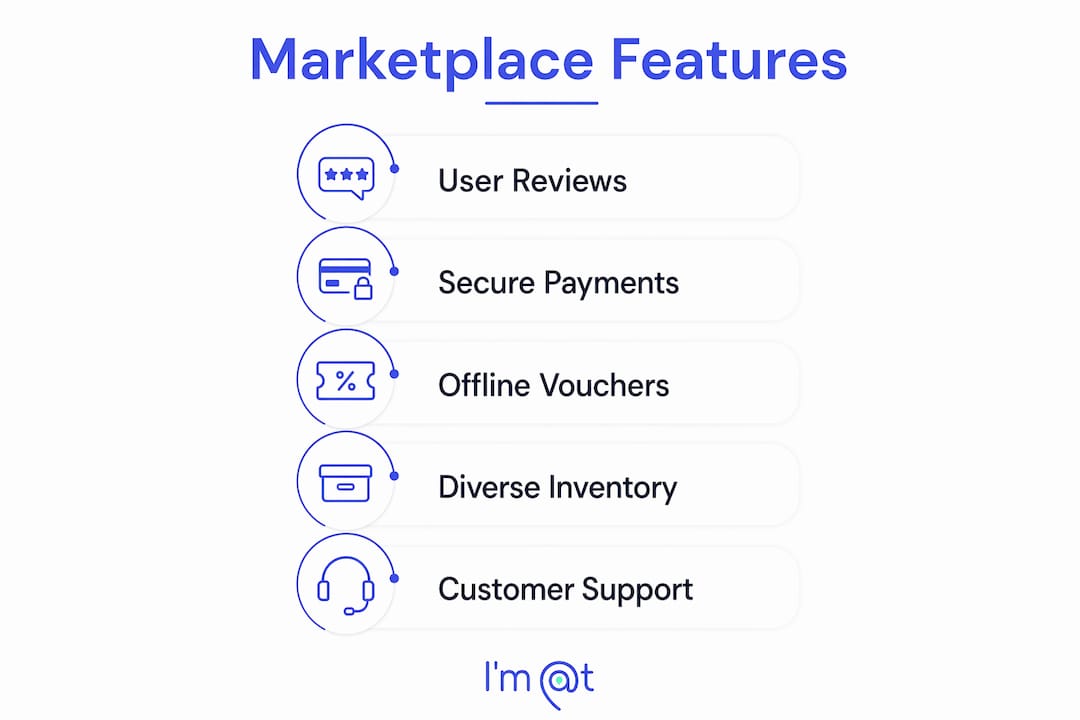
Key features that make these platforms worth using
The best travel activity platforms share a core set of features that separate them from a basic Google search or a travel agency brochure.
- Real-time availability and instant confirmation. You see open slots for tomorrow morning, not a 24-hour email reply. Real-time availability and instant booking confirmation are now standard expectations on credible platforms, and they eliminate the anxiety of not knowing whether your spot is secured.
- Verified user reviews and ratings. Service marketplaces prioritize trust signals like verified reviews because experience quality cannot be inspected before purchase the way a physical product can. A 4.8-star rating from 600 verified buyers tells you far more than any operator's own marketing copy.
- Secure payment processing. Credit card details go through encrypted payment gateways, and most platforms hold funds in escrow until after the experience is completed. This protects you if an operator cancels.
- Flexible cancellation policies. Most reputable platforms offer free cancellation up to 24 or 48 hours before the activity. This matters when flights get delayed or plans change.
- Mobile access and offline vouchers. Downloaded PDF vouchers let you check in at the meeting point even when your roaming data fails. This is not a minor convenience. It is a practical necessity in destinations with unreliable connectivity.
Pro Tip: Before you book, filter specifically for activities that include a downloadable offline voucher. In rural safari regions or island destinations, mobile data is not guaranteed, and a screenshot of your confirmation email is not always accepted by local operators.
Benefits of using a travel activity marketplace over traditional booking
Traditional booking methods, meaning travel agents, hotel concierges, or cold-calling local operators, have three consistent problems: limited inventory, opaque pricing, and no independent verification of quality. A travel activities platform solves all three.
- One-stop browsing. You compare a private wine tasting, a group cycling tour, and a cooking class side by side in under five minutes. No phone calls, no waiting for quotes.
- Access to hidden local experiences. Specialized platforms aggregate fragmented supply from small operators who cannot afford their own marketing budgets. This means you find experiences that never appear on a hotel activity board.
- Competitive pricing. Marketplace dynamics push operators to price competitively. You also avoid the markup that hotel concierges add when they refer you to their preferred partners.
- Confidence from peer reviews. Verified reviews from real travelers give you an honest picture of what to expect. A tour that sounds great in the description but has 40 reviews mentioning "disorganized pickup" is a tour you skip.
- Flexibility and control. Instant booking means you can plan the morning of, not six weeks in advance. Most platforms also let you book activities online with free cancellation, so you are not locked in if your itinerary shifts.
"Experience distribution is now the third pillar of travel, creating ongoing revenue opportunities throughout the traveler journey." The tours and attractions market is estimated at $250 to $300 billion annually. That scale exists because travelers have voted with their wallets: experiences matter as much as flights and hotels.
How to choose the right travel activity marketplace for your trip
Not every platform covers every destination equally. A marketplace strong in European city tours may have thin inventory for East African safaris or Southeast Asian cooking classes. Choosing the right platform starts with matching its strengths to your destination.
| Evaluation factor | What to look for |
|---|---|
| Destination coverage | Does the platform have 20+ options for your specific city or region? |
| Review volume and recency | Are reviews recent (within 6 months) and from verified buyers? |
| Cancellation policy | Is free cancellation available up to 24 hours before the activity? |
| Offline voucher support | Can you download a PDF or mobile pass before you arrive? |
| Customer support quality | Is live chat or phone support available in your language? |
Customer support quality is the factor most travelers overlook until something goes wrong. A platform with 10,000 listings but only an email support form is a liability when your guide does not show up at 6 a.m. Check whether the platform offers live chat or a local phone number before you book anything time-sensitive.
Pro Tip: Search for your destination on two or three different platforms before committing. Cross-reference the same tour across platforms to check for price differences and to see which platform has the most recent and detailed reviews. The platform with the most reviews for your specific destination is usually the most reliable choice.
Platforms like Im-at focus specifically on experiential and adventure travel, which means their inventory for safaris, cultural tours, and outdoor activities is deeper than a generalist platform. If your trip centers on those categories, a specialized travel experience marketplace will serve you better than a broad aggregator. You can also explore marketplace alternatives to compare platform strengths before deciding where to book.
Common pitfalls when booking through activity marketplaces
The marketplace model introduces a structural reality that every traveler should understand before booking: the platform and the operator are two separate entities. Marketplaces handle the booking interface while local operators manage the actual activity. When something goes wrong, support requests travel through the platform to the operator and back, which creates delays.
Here is what experienced travelers do to avoid the most common problems:
- Download offline vouchers immediately after booking. Offline access to booking vouchers is critical in destinations with unreliable internet. Do not assume you can pull up a confirmation email at a remote meeting point.
- Read the most recent reviews, not the highest-rated ones. A tour with a 4.9 average built on reviews from three years ago may have changed operators or quality since then. Sort by "most recent" and read the last 10 reviews carefully.
- Book in advance during peak seasons. Popular activities in high-demand destinations sell out weeks ahead. The Douro Valley wine tours and Cape Town peninsula excursions that appear available in January may be fully booked by March for the summer season.
- Contact the operator directly for logistical questions. Most platforms allow messaging with the operator before booking. Use it. Confirm the exact meeting point, what to bring, and whether the tour runs in light rain. This one step prevents most day-of surprises.
- Understand the cancellation window before you pay. Some activities, particularly private charters or small-group tours with minimum numbers, have 72-hour or 7-day cancellation windows. Missing that window means losing your payment.
The role of activity providers in shaping your experience is significant. The platform gets you there. The operator makes or breaks the day.
Key takeaways
A travel activity marketplace connects travelers directly to local operators through a single platform, making experience discovery, comparison, and booking faster and more reliable than any traditional method.
| Point | Details |
|---|---|
| Core function | Aggregates local tours and experiences from independent operators into one searchable catalog. |
| Trust signals matter | Verified reviews and real-time availability are the two features that most directly predict booking confidence. |
| Third pillar of travel | The tours and attractions market is worth $250 to $300 billion annually, reflecting how central experiences have become to travel planning. |
| Offline access is non-negotiable | Always download vouchers before arriving at your destination, especially in areas with poor connectivity. |
| Match platform to destination | Choose a marketplace with deep inventory for your specific region rather than defaulting to the largest generalist platform. |
Why the marketplace model changed how I plan every trip
I used to book activities the old way. I would ask the hotel concierge, get handed a laminated sheet with three options, and pay a marked-up price for a tour that turned out to be the same one every other guest took. The first time I used a travel activity aggregator for a trip to Portugal, I found a small-group Douro Valley tour that the hotel had never mentioned. It had 300 reviews, a 4.9 rating, and cost 30% less than what the concierge quoted for an inferior option.
What I have learned since then is that the marketplace model genuinely shifts power to the traveler, but only if you use it correctly. The platforms that join travel platforms with the deepest local operator networks are the ones worth your loyalty. Generalist platforms with thin regional inventory will disappoint you in less-touristed destinations.
The one honest criticism I hold is the tiered support problem. Major platforms like Expedia with Viator and Airbnb have integrated experience booking into their ecosystems, which is convenient until something goes wrong and you realize the platform cannot actually fix an operator problem in real time. My advice: use marketplaces for discovery and booking, but build a direct relationship with the operator before the day of the activity. Save their phone number. Confirm 24 hours in advance. The platform gets you the booking. Your preparation gets you the experience.
The future of travel activity marketplaces is specialization. Platforms that focus on adventure tourism, cultural immersion, or specific regions will outperform generalists because travelers increasingly want depth, not breadth. Im-at is a clear example of that direction, and I think it is the right one.
— Mikahil
Explore curated experiences on Im-at
Im-at is a travel activity platform built for travelers who want more than a standard city tour. The platform connects you with guided safaris, cultural excursions, and multi-day adventures across destinations worldwide, with verified reviews, secure payments, and instant booking confirmation.
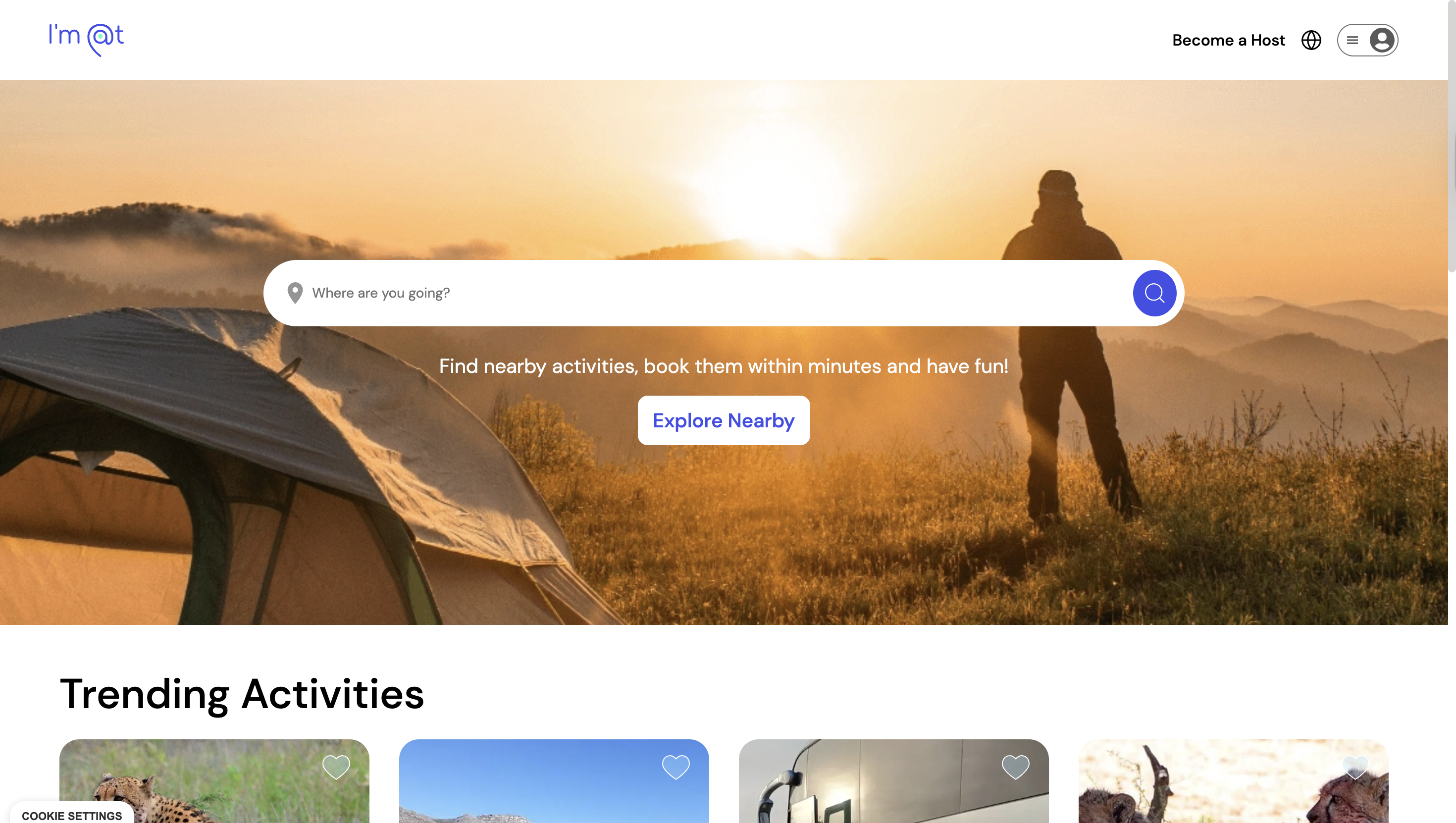
Whether you are planning a weekend getaway or a longer trip, Im-at makes it possible to find and book standout local experiences in minutes. Start with something like The Unholy Secrets, a curated local experience that shows exactly what a well-built activity marketplace can surface. For a multi-day option, the Cape Town 3-day attraction covering Township, Cape Peninsula, and Wine Tasting is one of the platform's most popular listings.
FAQ
What is a travel activity marketplace?
A travel activity marketplace is a digital platform that aggregates tours, guided experiences, and local activities from independent operators, allowing travelers to search, compare, and book in one place. Platforms like Viator, GetYourGuide, and Im-at are well-known examples of this model.
How does a travel activity marketplace make money?
Travel activity marketplaces earn revenue primarily through commissions charged to operators on each booking, typically between 20% and 40% of the activity price. Some platforms also use advertising and subscription models to diversify income.
Are travel activity marketplaces safe to book through?
Reputable platforms use encrypted payment processing and hold funds until after the experience is completed, which protects travelers from operator cancellations. Verified user reviews add an additional layer of trust before you commit to a booking.
What should I look for when choosing a travel activity platform?
Prioritize destination coverage, review recency, cancellation flexibility, and offline voucher support when evaluating platforms. A marketplace with deep inventory and recent verified reviews for your specific destination is more reliable than a large generalist platform with thin local coverage.
Can I book last-minute activities through a travel marketplace?
Most travel activity marketplaces support same-day or next-day booking for activities with available slots, though popular experiences in peak seasons sell out weeks in advance. Booking at least a few days ahead is recommended for high-demand tours and small-group experiences.