
TL;DR:
- Cultural immersion involves actively engaging with a destination's daily life, customs, and traditions. Effective tips include learning basic local phrases, staying with local hosts, and spending more time in fewer places. Genuine immersion requires curiosity, patience, and a willingness to move beyond surface-level tourism.
Cultural immersion is defined as the practice of actively engaging with a destination's daily life, customs, and traditions rather than observing them from a distance. The best cultural immersion tips go far beyond skipping tourist traps. They give you a framework for building real connections, understanding unspoken social rules, and returning home genuinely changed. Platforms like Im-at make it easier than ever to find and book authentic local experiences that put you inside a culture, not just in front of it.
1. cultural immersion tips: start with the local language
Learning key phrases in the local language is the single highest-return investment you can make before any trip. Locals respond more warmly to visitors who make the effort, and that warmth often opens doors to conversations that no guidebook can manufacture. You do not need fluency. Ten phrases, including greetings, thank you, and "I don't understand," are enough to shift the entire dynamic of your interactions.
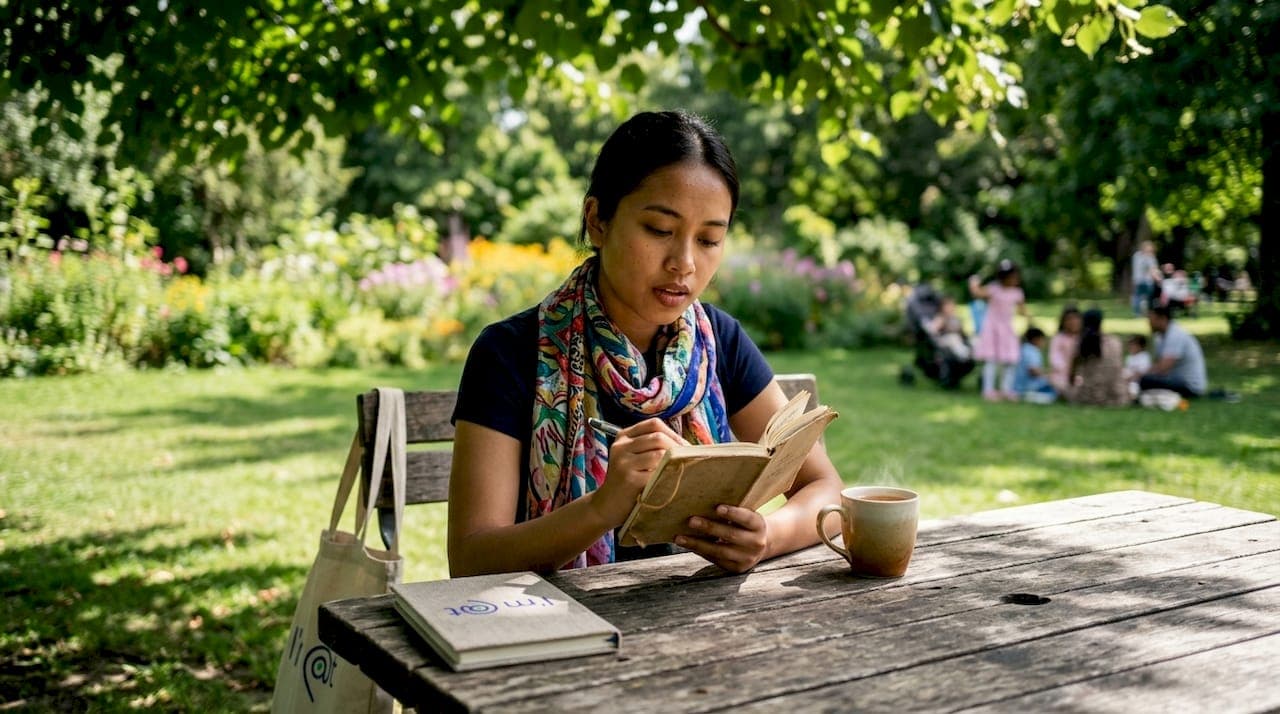
Apps like Duolingo, Pimsleur, and Google Translate are solid starting points. Write your key phrases in a small notebook and carry it with you for the first few days.
2. choose accommodations that put you among locals
Chain hotels are efficient. They are also cultural dead zones. Accommodations like agriturismos, chambres d'hôtes, and casas particulares place you directly in contact with local hosts who share meals, stories, and neighborhood knowledge. That daily contact is where real cultural exchange happens.
Homestay.com is one platform that connects travelers with host families worldwide. Staying with a host family in Oaxaca or a rural farmhouse in Tuscany gives you access to routines, recipes, and perspectives that no hotel concierge can replicate.
Pro Tip: Ask your host what they eat for breakfast. That single question has started more genuine conversations than any organized tour I have ever booked.
3. eat where locals eat, and learn to cook what they cook
Skipping chain restaurants is obvious advice. Going further is not. Seek out market stalls, family-run spots with no English menus, and neighborhood spots where the lunch crowd is entirely local. Food is one of the fastest ways to understand a culture's values, history, and daily rhythm.
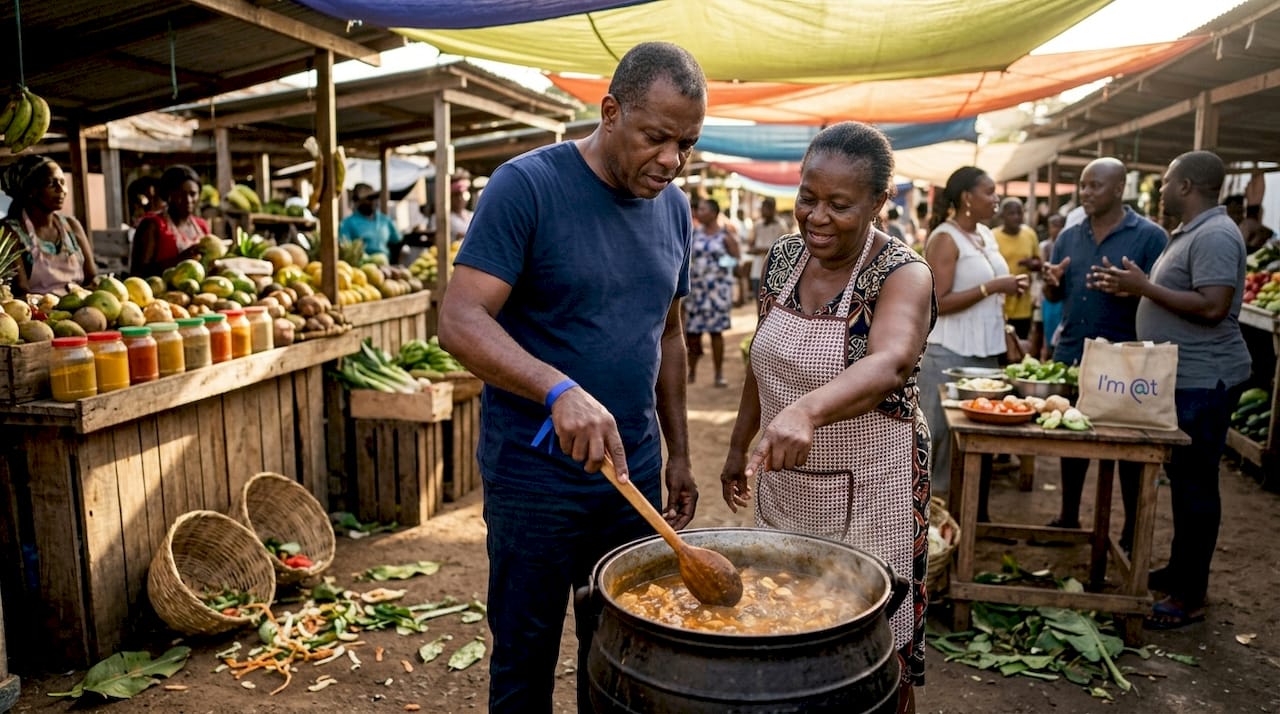
Cooking classes led by home cooks, not hotel chefs, deliver genuine community practices that curated tourism rarely touches. Im-at lists experiences like the Bologna gastronomic experience with a local, where you cook and eat alongside residents rather than performing a tourist ritual. The difference is immediate and obvious.
4. use local transportation and visit neighborhood markets
Public buses, shared taxis, and local ferries are not just budget options. They are cultural classrooms. You observe how people interact, what they carry, how they dress, and what they talk about. That ambient information builds a picture of daily life that no tour bus window can provide.
Neighborhood markets follow the same logic. A morning at a local produce market in Marrakech or a weekend street market in Chiang Mai puts you in the middle of commerce, conversation, and community. Bring cash, buy something small, and let the transaction become a conversation.
5. practice slow travel: fewer places, more time
Depth arises as novelty fades and daily rhythms become familiar. That process takes more than a week. Travelers who sprint through five countries in ten days collect photographs. Travelers who spend three weeks in one region collect understanding.
Slow travel principles include spending more time in fewer locations, using local markets, and deliberately avoiding tourist-heavy spots. The payoff is access to the unspoken rules, inside jokes, and neighborhood dynamics that define a culture at its core.
6. attend community festivals, workshops, and local events
Festivals are not performances staged for tourists. They are living expressions of identity, history, and belief. Attending a local harvest festival in rural Japan, a neighborhood saint's day celebration in southern Italy, or a community storytelling night in West Africa puts you inside cultural meaning rather than outside it.
Local libraries and community centers are excellent places to discover these events. They function as cultural hubs that most tourists walk past entirely. Check bulletin boards, ask the librarian, and you will find workshops, language exchanges, and performances that never appear on travel blogs.
7. ask questions and listen more than you talk
Curiosity and asking questions are foundational to successful cultural immersion anywhere. Shop owners, café staff, and fellow commuters are all potential teachers. The key is asking open questions and then actually listening to the answers without rushing to share your own perspective.
This is harder than it sounds. Most travelers default to talking about where they are from rather than asking about where they are. Flip that habit. Ask a market vendor how long their family has run the stall. Ask a bus driver what the neighborhood was like twenty years ago. The answers will surprise you.
8. research customs, etiquette, and dress codes before you arrive
Practicing cultural etiquette starts before you land. Research local tipping customs, greeting norms, and dress codes for religious sites. In Japan, you bow rather than shake hands. In many Middle Eastern countries, modest dress is expected in public spaces regardless of the heat. In parts of Southeast Asia, pointing with your foot is considered deeply offensive.
These are not obscure facts. They are basic respect. Learning them in advance prevents unintentional offense and signals to locals that you took their culture seriously enough to prepare.
Pro Tip: Pack a lightweight scarf or sarong. It covers bare shoulders at temples, doubles as a beach towel, and signals cultural awareness without a word.
9. understand and manage culture shock
Culture shock can occur immediately or after months of living in a new environment. The disorientation is real and normal. Effective coping includes maintaining small routines from home, whether that means a morning coffee ritual, familiar music, or a comfort food you brought with you.
The mistake most travelers make is treating culture shock as failure. It is actually a sign that immersion is working. You are no longer a tourist skimming the surface. You are deep enough in the culture to feel its friction. That friction is where the most meaningful learning happens.
10. organized vs. self-directed cultural immersion activities
Both modes of cultural immersion have genuine value, and the right choice depends on your travel style and goals.
| Type | Examples | Cost and Duration | Best For |
|---|---|---|---|
| Organized activities | Cooking classes, guided village tours, traditional meals | Averages $159, half to full day | First-time visitors, structured learners |
| Self-directed exploration | Market visits, neighborhood walks, volunteering | Low cost, flexible timing | Experienced travelers, slow travelers |
| Tech-enhanced immersion | VR/XR historical tours, digital cultural exhibits | Varies, typically 25–45 minutes | Pre-trip preparation, accessibility-focused travelers |
Organized experiences like a full-day Garifuna cultural immersion in Hopkins Village, Belize, include local market visits, cooking traditional dishes like Hudut, and community workshops. That structure is genuinely useful when you are new to a destination or culture. Self-directed exploration rewards travelers who are comfortable with ambiguity and have time to wander without an agenda.
Technology-enhanced immersion, including VR and XR historical tours, attracts tens of thousands of visitors globally. These tools work best as educational preparation before a trip, not as substitutes for physical presence.
11. match your immersion approach to your trip length and goals
Short stays of three to five days favor organized cultural immersion activities that deliver concentrated access quickly. A guided neighborhood tour or a cooking class with a local family gives you more genuine contact in two hours than a day of independent wandering in an unfamiliar city.
Longer stays reward a different strategy. Spend the first week on structured activities to build context, then shift to self-directed exploration as you grow more comfortable. Solo travelers benefit from language exchanges and volunteer programs that create natural social structures. Families do well with hands-on workshops where children can participate. Culinary tourism, as explored by partners like Wild Foodz, offers structured yet personal entry points into local food culture for travelers of all ages.
For remote or insular communities, approach with extra care. Ask before photographing. Follow the lead of local guides. Respect boundaries around sacred sites, ceremonies, and private spaces without needing an explanation for why those boundaries exist.
Key takeaways
Genuine cultural immersion requires deliberate choices, adequate time, and a willingness to move past surface-level tourism into the daily rhythms of local life.
| Point | Details |
|---|---|
| Language effort pays off | Even basic local phrases shift how locals perceive and engage with you. |
| Accommodation drives access | Staying with local hosts in agriturismos or homestays creates daily cultural contact. |
| Slow travel builds depth | Spending more time in fewer places is the fastest route to real cultural understanding. |
| Organized activities have clear value | Structured experiences averaging $159 give first-time visitors concentrated, genuine access. |
| Culture shock signals progress | Disorientation means immersion is working. Maintain small routines and stay curious. |
What i've learned after years of chasing real travel
Most travelers treat cultural immersion like a checklist. Visit the market. Take the cooking class. Done. That mindset produces good Instagram content and shallow memories.
The moments that actually changed how I see the world came from staying uncomfortable a little longer than felt natural. Sitting with a family in rural Morocco after a shared meal, not knowing what to say, and realizing that silence was completely fine. Getting lost in a neighborhood in Tbilisi and ending up at a local chess club where nobody spoke English and nobody needed to. These were not planned. They happened because I stopped trying to manage the experience and started letting it happen.
The practical advice in this article is real and it works. But the deeper truth is that immersive travel experiences require you to give up control more than most travelers are comfortable with. Curiosity is not just a nice quality to have. It is the actual mechanism by which cultural understanding happens. Ask more questions than you think are appropriate. Stay longer than feels efficient. Eat the thing you cannot identify. The culture will meet you halfway.
— Mikahil
Ready to book your next immersive experience?
Im-at connects you with curated cultural experiences led by local guides in destinations worldwide. Whether you want a neighborhood food tour in Vienna, a multi-day cultural adventure through Cape Town's townships and wine country, or a completely bespoke off-road journey into remote communities, Im-at has it ready to book in minutes.
Browse experiences like the Cape Town 3-day cultural tour combining township visits, the Cape Peninsula, and wine tasting, or explore tailor-made 4x4 tours that take you off the tourist trail entirely. For something truly unexpected, the Unholy Secrets experience delivers local stories and cultural rituals that no guidebook covers. Every experience on Im-at is built around genuine local connection.
FAQ
What are the most effective cultural immersion tips?
The most effective cultural immersion tips are learning basic local language phrases, choosing locally integrated accommodations, practicing slow travel, and engaging locals with genuine curiosity. These strategies consistently produce deeper cultural access than organized sightseeing.
How long does real cultural immersion take?
True cultural immersion takes longer than a week. Depth develops as novelty fades and daily rhythms become familiar, which is why staying longer in fewer places produces more meaningful experiences than fast multi-destination trips.
What are the best cultural immersion activities?
Organized activities like cooking classes, village tours, and community workshops average $159 and last half to a full day. Self-directed options including market visits, volunteering, and neighborhood exploration offer flexible, low-cost alternatives for experienced travelers.
How do you manage culture shock during immersion travel?
Culture shock can appear immediately or after months abroad. Coping strategies include maintaining small routines from home, keeping a travel journal, and reframing disorientation as a sign that genuine immersion is underway rather than a problem to solve.
How do locals shape the quality of cultural immersion?
Locals are the core of any authentic cultural experience. Engaging shop owners, hosts, café staff, and community members through questions and shared activities delivers cultural insight that no curated tour can fully replicate.