
TL;DR:
- Cultural immersion involves deep and intentional participation in a community’s daily life, language, and customs to foster genuine understanding. It requires active engagement, such as living with locals and joining community activities, rather than superficial or tourist-like experiences. Structured programs, reflection, and embracing discomfort significantly enhance intercultural learning and personal transformation.
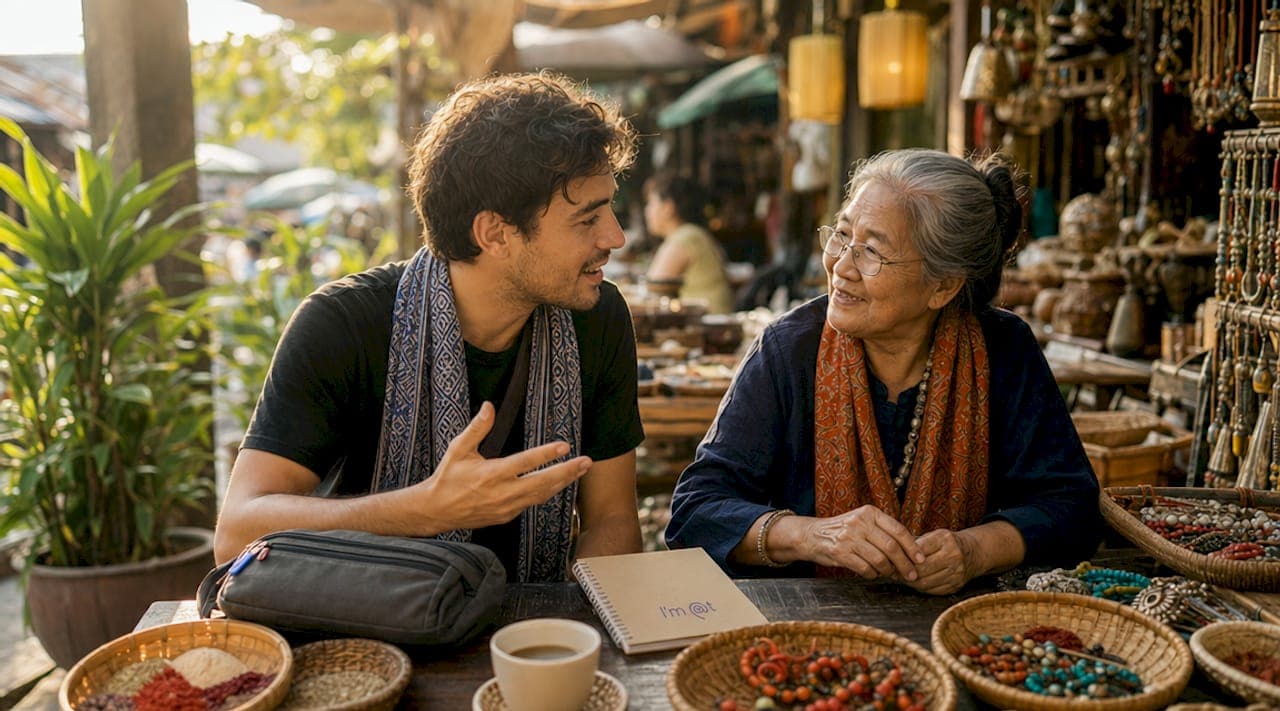
Cultural immersion is defined as the intentional, deep participation in a host community's everyday customs, language, and daily routines to gain genuine understanding and connection. Unlike a weekend sightseeing trip or a resort stay, cultural immersion places you inside a culture rather than in front of it. Anthropologists have practiced this for over a century under the term ethnographic fieldwork, and the principles translate directly to travel. When you eat where locals eat, speak the language, and build real relationships, you stop being a visitor and start becoming a temporary participant. That shift changes everything about how you experience a place.
What is cultural immersion, really?
Cultural immersion means intentional, deep participation in a host community's daily life rather than observing it from a comfortable distance. The cultural immersion definition goes beyond geography. You can spend three weeks in Tokyo and never leave the tourist circuit, or spend three days in a small Oaxacan village and understand more about Mexican life than most travelers learn in a month.
The core elements that separate genuine immersion from casual tourism are:
- Language use: Speaking the local language, even imperfectly, signals respect and opens doors that English never will.
- Living arrangements: Staying with a host family or in a local neighborhood rather than a hotel chain places you inside daily rhythms.
- Social participation: Joining community events, markets, religious ceremonies, or neighborhood gatherings rather than ticketed tourist attractions.
- Insider perspective: Anthropologists call this the emic approach. Ethnographic fieldwork trains researchers to understand culture from the inside out, tracking how locals explain the meaning behind their own practices. Travelers who adopt this mindset learn far more than those who simply observe.
One of the most persistent misconceptions is that physical presence equals immersion. It does not. Living with a host family does not automatically produce deep cultural connection. Without active engagement, you remain an outside observer regardless of your address. Immersion is also dynamic. Culture changes, individuals change, and your depth of connection shifts depending on who you meet and how openly you engage on any given day.
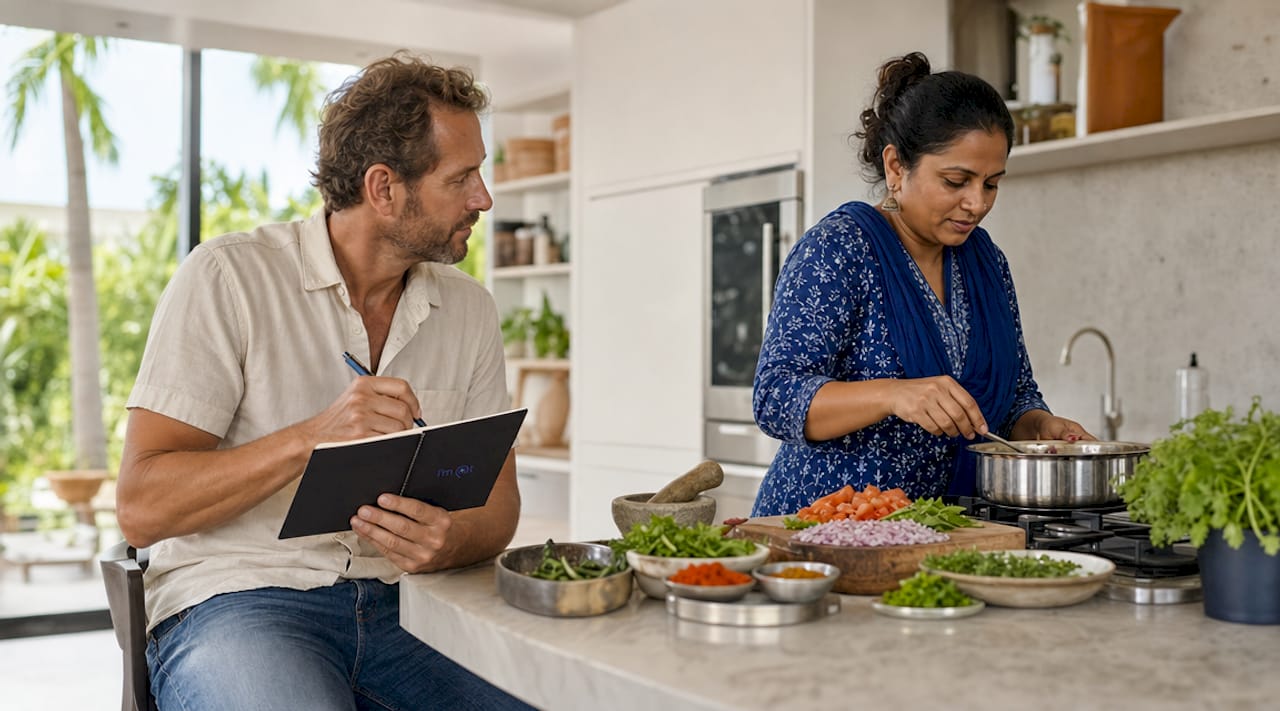
Pro Tip: Treat everyday interactions as data. When a local explains why they do something a particular way, write it down. That insider explanation is the raw material of genuine cultural understanding.
What are the benefits of cultural immersion for travelers?
The benefits of cultural immersion extend well beyond collecting interesting memories. Research published in 2025 by MDPI found that short-term study tours with structured cultural engagement accelerate intercultural adaptation through peer interaction and experiential learning. That finding matters because it confirms immersion produces measurable psychological and social outcomes, not just pleasant feelings.
The most significant benefits include:
- Intercultural empathy: Spending time inside another culture's logic builds genuine understanding of why people behave differently. This is not sympathy from a distance. It is the result of shared meals, shared frustrations, and shared humor.
- Resilience and adaptability: Navigating unfamiliar systems, from public transit to social norms, builds problem-solving confidence that transfers to every area of life.
- Language acceleration: Daily, necessity-driven language use produces faster fluency gains than any classroom program. Immersion forces you to communicate, which is the only way language actually sticks.
- Identity reflection: Seeing your own culture from the outside, through the eyes of people who do things differently, clarifies what you actually believe versus what you simply inherited.
- Social belonging: Embodied cultural exposure combined with reflection enhances feelings of connection and inclusiveness, even in short-term immersive experiences.
"The most transformative travel experiences are not the ones where you see the most landmarks. They are the ones where you understand, even briefly, what it feels like to belong somewhere else."
The difference between a trip that changes you and one that simply entertains you often comes down to how purposefully the experience was designed. Structured immersive programs that build in peer interaction and cultural participation consistently outperform unstructured travel for intercultural learning outcomes.
How to experience cultural immersion effectively
Knowing what cultural immersion is and actually achieving it are two different things. The gap between them is closed by specific behaviors and deliberate planning.
- Learn the language before you arrive. You do not need fluency. You need enough vocabulary to attempt conversations. Apps like Duolingo or Pimsleur handle the basics. Locals respond to effort, not perfection.
- Choose accommodations that place you in local life. Homestays, guesthouses in residential neighborhoods, and locally owned rentals all outperform international hotel chains for immersion depth. Research on culturally immersive hotel stays shows that lodging choice is one of the strongest predictors of how deeply travelers connect with a destination.
- Join community events, not tourist events. Farmers markets, neighborhood festivals, local sports matches, and religious observances are all open to respectful visitors. These settings produce the kind of authentic, meaningful travel that no guided tour can replicate.
- Use local transit. Buses, trams, and shared taxis place you alongside residents going about their actual lives. Taxis and ride-share apps insulate you from that contact.
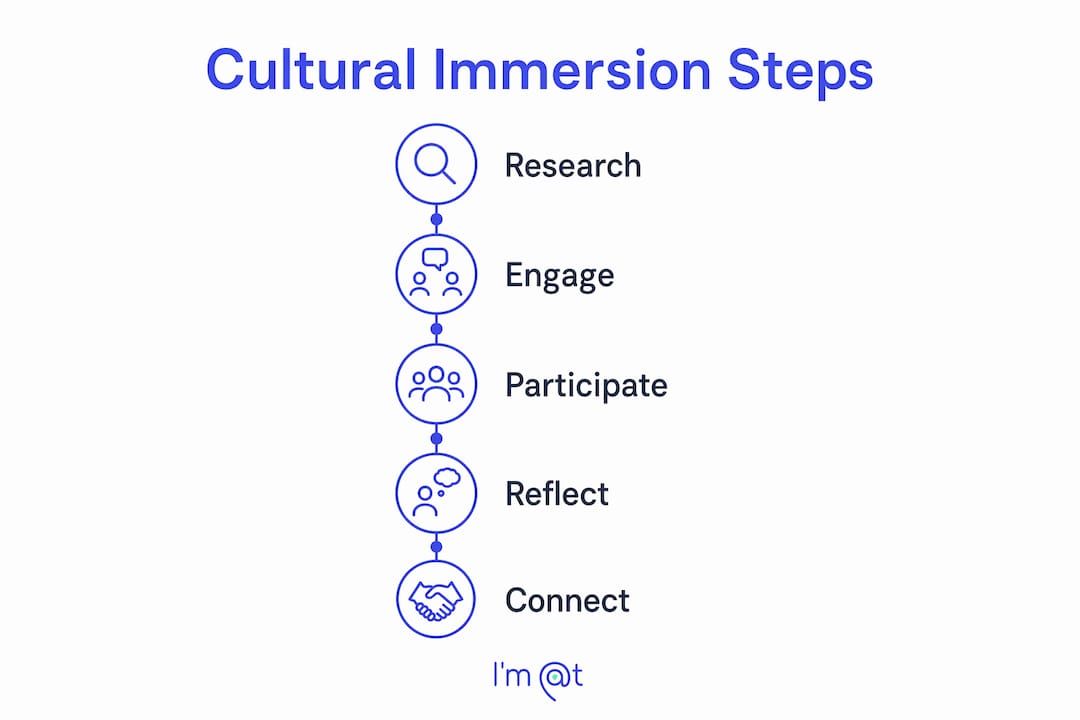
- Reflect on what you observe. Situated learning theory shows that knowledge from active participation only deepens when paired with conscious reflection. Keep a journal. Ask yourself why something surprised you.
- Embrace discomfort. Confusion, awkwardness, and minor failures are not signs that immersion is going wrong. They are signs it is working.
Pro Tip: Before visiting any cultural site or event, read one local account of its significance, not a travel blog, but a local newspaper, community website, or book written by someone from that culture. The difference in what you notice is immediate.
The biggest pitfall travelers face is staying within their comfort zone while telling themselves they are immersing. Eating at a restaurant recommended by a travel influencer, staying in a neighborhood full of other tourists, and spending evenings on social media all limit immersion depth regardless of how far you traveled to get there.
Cultural immersion vs. other travel and learning styles
Understanding what sets cultural immersion apart from other formats helps you choose the right approach for your goals.
| Format | Duration | Engagement level | Primary outcome |
|---|---|---|---|
| Standard tourism | Days to weeks | Low to moderate | Sightseeing, relaxation |
| Short-term study tour | 1 to 4 weeks | Moderate | Academic credit, exposure |
| Cultural immersion program | Weeks to months | High | Intercultural adaptation, fluency |
| Ethnographic fieldwork | Months to years | Very high | Deep insider cultural knowledge |
| Classroom-based education | Ongoing | Low (no field contact) | Theoretical cultural knowledge |
Immersive travel differs from standard tourism by prioritizing human connection and local lifestyle participation over landmarks and infrastructure. A tourist visits the Alhambra in Granada. An immersed traveler spends a week in the Albaicín neighborhood, shops at the same market as residents, and learns enough Spanish to have a real conversation with a neighbor.
The distinction from study abroad programs is subtler. Study tours provide structured exposure, but shallow and deep cultural connection often depends on how purposefully programs are designed to encourage participation rather than passive observation. A study tour that keeps students in lecture halls and tourist sites produces far less intercultural growth than one built around community placement and daily local interaction.
Ethnographic fieldwork, the method used by cultural anthropologists like Margaret Mead and Clifford Geertz, represents the deepest end of the immersion spectrum. Anthropological participant observation involves continuously tracking insider explanations to grasp cultural logic beyond observable routines. Travelers do not need to conduct research, but borrowing this mindset, asking why rather than just what, transforms participation into genuine understanding.
Key takeaways
Cultural immersion produces its deepest outcomes when active participation, insider perspective, and deliberate reflection are combined rather than treated as optional extras.
| Point | Details |
|---|---|
| Immersion requires active participation | Physical presence alone does not produce cultural understanding. You must engage, not just observe. |
| Insider perspective is the core skill | Asking why locals do things, not just what they do, transforms experience into genuine cultural knowledge. |
| Benefits are measurable | Research confirms immersion builds empathy, resilience, language skills, and intercultural adaptability. |
| Program design matters | Structured immersive experiences with peer interaction consistently outperform unstructured travel for cultural learning. |
| Discomfort signals depth | Confusion and awkwardness during immersion are indicators of genuine engagement, not failure. |
Why I think most travelers underestimate what immersion actually demands
I have watched hundreds of travelers arrive at a destination with the best intentions and leave having barely scratched the surface. The honest reason is not lack of curiosity. It is the quiet pull of comfort. We book the homestay and then spend evenings watching Netflix. We join the cooking class and then eat dinner at the tourist restaurant around the corner. We tell ourselves we are immersing when we are actually just traveling with extra steps.
What I have found is that genuine cultural immersion requires a specific kind of vulnerability that most travel content never mentions. You have to be willing to be wrong, to mispronounce things, to misread social situations, and to sit with the discomfort of not understanding. That is not a flaw in the process. That is the process.
The travelers I have seen come back genuinely changed are the ones who treated confusion as a starting point rather than a problem to solve. They asked locals to explain things. They showed up to events where they were clearly outsiders and stayed anyway. They planned cultural experiences with intention rather than filling a schedule.
Cultural exchange is also two-way. You are not just absorbing another culture. You are representing your own. The most meaningful exchanges I have witnessed happened when travelers brought genuine curiosity about the other culture and genuine openness about sharing their own. That reciprocity is what separates a transaction from a connection.
— Mikahil
Experience real cultural immersion with Im-at
Im-at connects travelers with experiences built for genuine cultural depth, not surface-level sightseeing.

The Cape Town 3-Day Township and Peninsula Tour combines township visits, Cape Peninsula exploration, and wine tasting in a format designed to show you how people in the Mother City actually live, work, and celebrate. For something equally immersive in a different setting, the Douro Valley small-group tour pairs local wine tasting, a river cruise, and a shared lunch to place you inside one of Portugal's most storied cultural landscapes. Both experiences are bookable through Im-at in minutes, with expert local guides who provide the insider context that turns a good trip into a genuinely memorable one.
FAQ
What is the cultural immersion definition?
Cultural immersion is the intentional, deep participation in a host community's everyday customs, language, and daily routines rather than brief or superficial engagement. It requires active involvement, not just physical presence in a new location.
What are the most effective cultural immersion activities?
The most effective cultural immersion activities include living with host families, joining local community events, using public transit, practicing the local language daily, and attending markets or religious observances open to visitors.
How does cultural immersion differ from cultural exchange?
Cultural immersion focuses on one person entering and participating deeply in another culture. Cultural exchange is a two-way process where people from different backgrounds share their own customs and perspectives with each other, often in structured programs.
How long does cultural immersion take to produce real benefits?
Research on short-term study tours shows that even structured immersive experiences lasting one to four weeks produce measurable intercultural adaptation when they include active participation and reflection. Depth of engagement matters more than duration.
What are the main types of cultural immersion programs?
The main types of cultural immersion programs include homestay programs, language immersion schools, volunteer placements, study abroad programs with community integration, and guided experiential tours designed around local participation rather than sightseeing.