
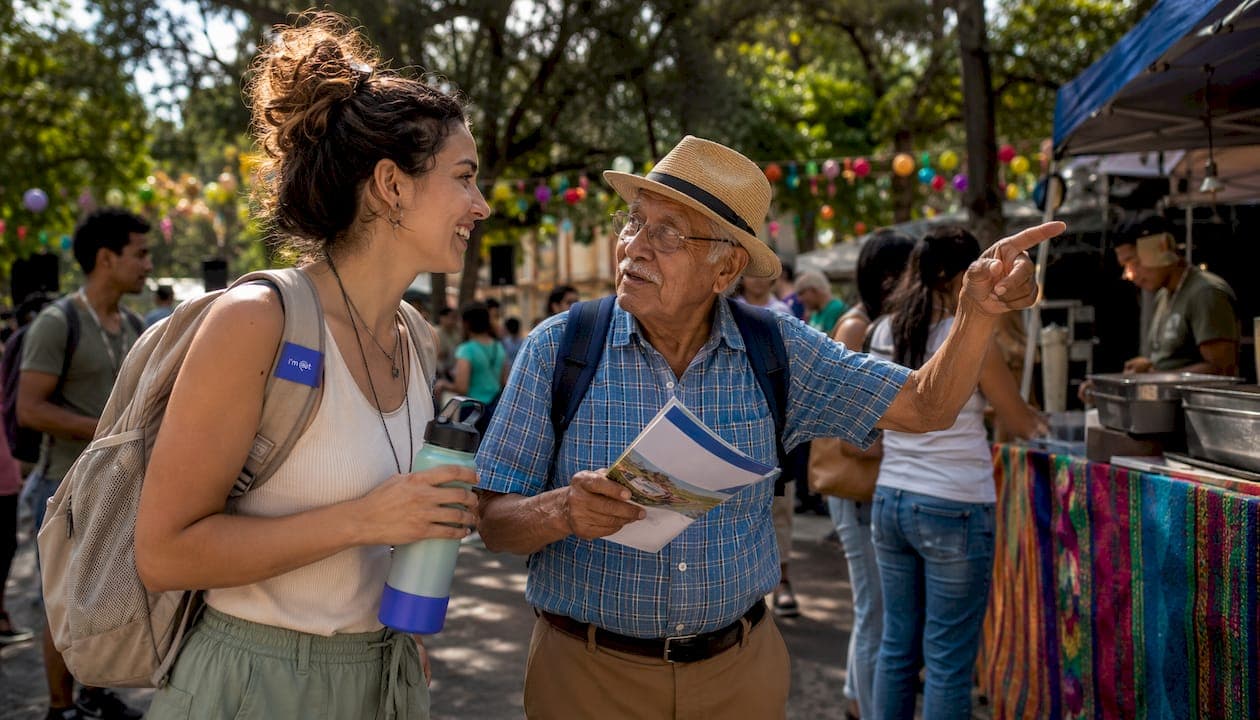
Social activities are one of the fastest ways to connect with a place you're visiting. Research from the University of New Hampshire Extension, the Spirit of 2012 learning synthesis, and social prescribing literature all point to the same conclusion: joining community activities boosts personal wellbeing, builds local social capital, and puts money directly into the hands of local providers. For travelers, the best bets are arts and craft workshops, recurring neighborhood clubs, small-group food or nature experiences, and volunteer-run events.
Three reasons to join while you travel:
- Wellbeing: Participation reduces loneliness and builds a sense of purpose, even on a short trip.
- Connection: Small recurring gatherings create the repeat interactions that turn strangers into acquaintances.
- Local economic support: Booking through local hosts and buying from local vendors keeps tourism dollars in the community.
Table of Contents
- How social activities shape your wellbeing as a traveler
- How community events strengthen local economies and social bonds
- Which types of activities deliver the most for visitors
- How to join community activities respectfully as a visitor
- What makes a well-designed small event worth attending
- Typical costs, duration, and where to book
- Why you can trust this guide
- Key Takeaways
- What I've seen work for travelers who actually connect
- Find your next community experience on Im-at
- Useful sources and further reading
How social activities shape your wellbeing as a traveler
The role of social activities in community life extends directly to the individual. Social prescribing research shows that participation in community-based activities boosts self-confidence, reduces loneliness, and provides a sense of routine and meaning. These benefits don't require weeks of residency. Even a single well-designed session can shift how you feel about a place.
The mechanism matters. It's rarely the activity itself that produces the benefit. What actually works is the social process the activity enables: a new social identity ("I'm part of this group"), a shared achievement, peer support, and a predictable structure. A knitting circle and a neighborhood walk deliver these through completely different formats, but the underlying process is the same.
Statistic: A before-and-after study of 687 adults in community center programs found positive changes in self-reported general health, mental health, and personal and social wellbeing across arts, exercise, cooking, and befriending activities.
Pro Tip: When your goal is genuine relationship-building rather than entertainment, choose a recurring small-group activity over a one-off festival. Repeat interactions are what convert brief encounters into real connections.
How community events strengthen local economies and social bonds
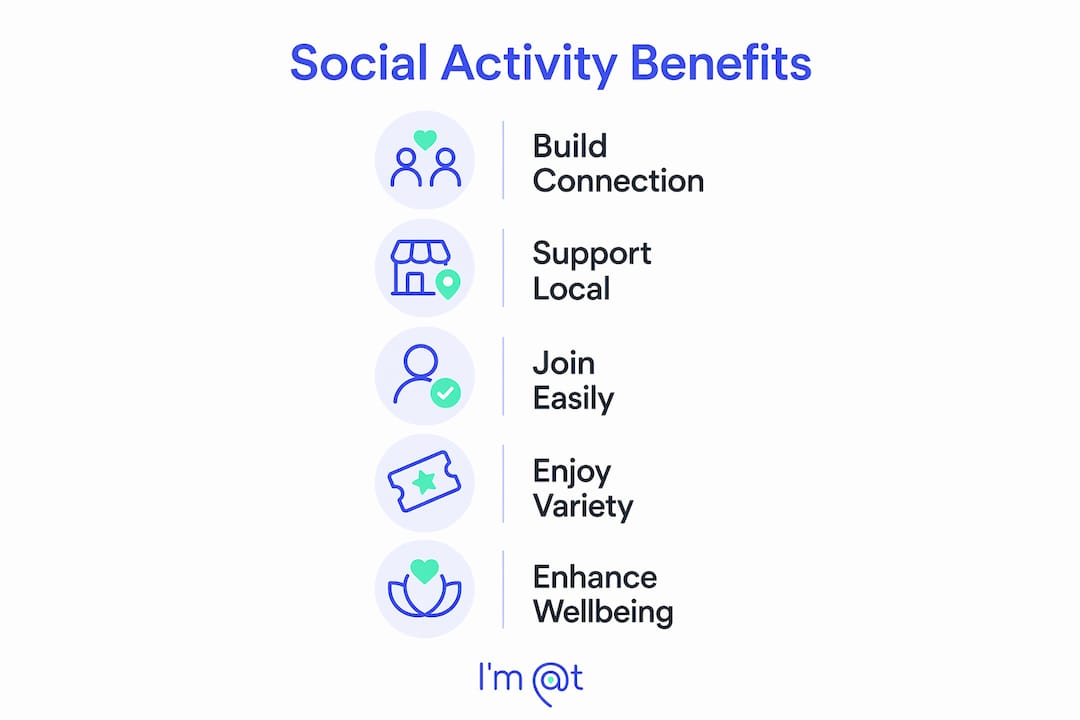
Events and activities act as catalysts for social cohesion and local business stimulation. Research on local festivities in small settlements shows they strengthen civic identity, attract tourism, and support cultural preservation. Young people use them as platforms for socialization; older generations see them as vehicles for transmitting heritage. Both outcomes matter for a community's long-term health.
The benefits of community activities at the local level include:
- Bridging social capital: Events bring together people from different backgrounds who wouldn't otherwise interact.
- Cultural transmission: Recurring festivals and workshops pass local knowledge and traditions to new generations.
- Local business footfall: Visitors who attend community events tend to spend at nearby restaurants, markets, and shops.
- Volunteer capacity: Events that involve locals in planning and running them build organizational skills and civic trust.
The University of New Hampshire Extension notes that most event organizers focus on economic outcomes and miss the social capital their events create. Intentionally designing for relationships multiplies long-term impact.
"Recurring events allow people to meet regularly and develop durable relationships. Virtual adaptations also preserved ties during disruptions." — University of New Hampshire Extension, Fostering Social Capital Through Community Events
As a traveler, you can amplify these outcomes simply: book through local hosts, eat at nearby spots, tip generously, and leave an honest review. Word-of-mouth from visitors carries real weight for small community organizers. The role of local events in leisure and economic life is well documented, and your participation is part of that story.
Which types of activities deliver the most for visitors
Small-group arts and craft workshops, neighborhood tours, recurring clubs, community dinners, and conservation groups consistently deliver the most meaningful connections for visitors. The benefits of cultural experiences go beyond entertainment: arts participation research links co-creation and cultural sharing to improved belonging, solidarity, and wellbeing.
Ranked by social impact and accessibility for travelers:
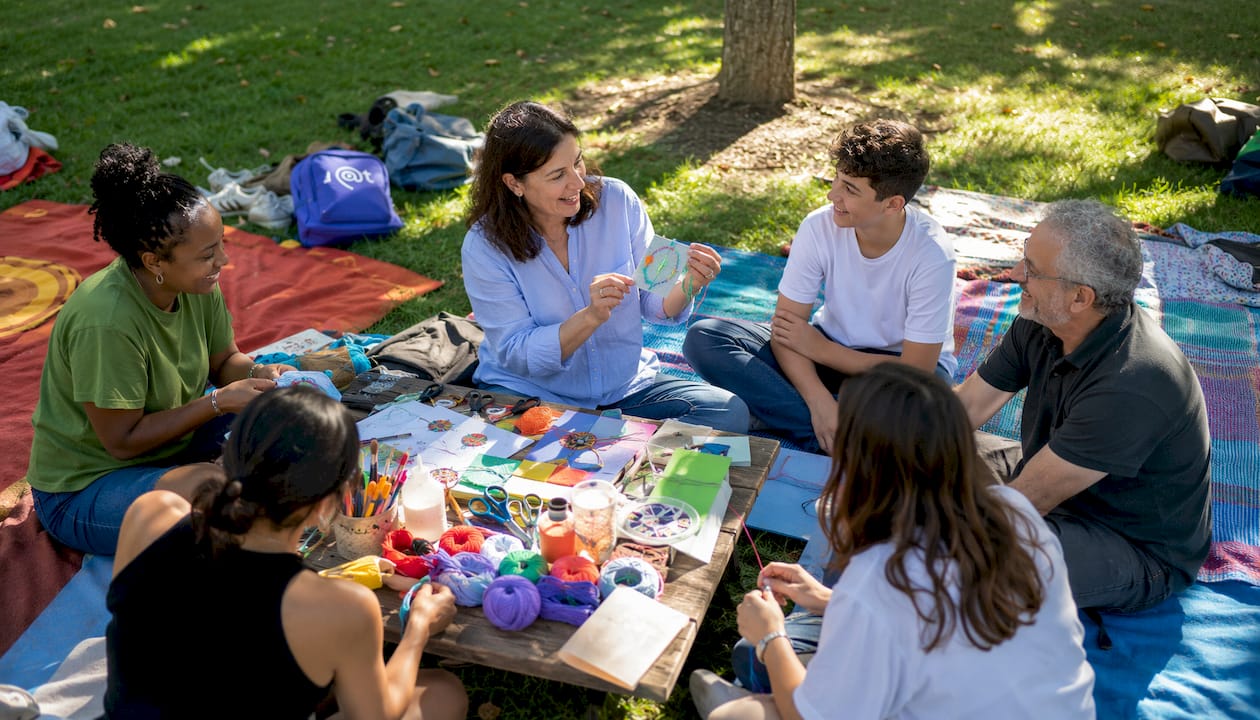
- Arts/craft workshops (high impact, moderate cost): co-creation builds belonging fast; look for multi-session formats.
- Neighborhood walking tours (high impact, low cost): small groups, local guides, and natural conversation starters.
- Recurring local clubs (highest long-term impact): walking groups, music sessions, community gardens.
- Community dinners and food experiences: local cuisine creates immediate common ground across language barriers.
- Conservation and nature groups (moderate impact, high engagement): shared physical effort builds trust quickly.
- Volunteer-run events: the Spirit of 2012 report found that volunteering creates a virtuous cycle where higher participation increases cohesion and cohesion increases volunteering.
Size matters. Contact dynamics research shows that gatherings of 20 or more people account for an estimated 18.9% of social contact events, while gatherings of 50 or more make up about 0.5% of such events. The 10–50 person range is where most meaningful social contact actually happens. A massive festival is memorable; a 20-person pottery class is where you exchange numbers.
Pro Tip: Favor activities that invite participation over passive spectating. Co-creation formats, where you make something alongside locals, produce faster and more durable connections than watching a performance.
How to join community activities respectfully as a visitor
Attend with curiosity, ask organizers whether visitor participation is welcome, and follow basic cultural and accessibility norms. That's the short version. Here's the practical checklist:
- Research before you arrive. Check local community centers, neighborhood Facebook groups, and platforms like Im-at for recurring events.
- Contact the organizer. Ask: Is this open to visitors? Is it recurring? Are locals the main audience? What's the cost, and what's included?
- Arrive a few minutes early. Introduce yourself honestly as a visitor. Most organizers appreciate the transparency.
- Contribute. Buy from the local vendor, tip the guide, help stack chairs at the end.
- Follow up. Exchange contact details. Leave a review. If you're back in the area, show up again.
Cultural sensitivity quick guide:
- Do ask before photographing participants or their work.
- Don't treat a community ritual as a photo opportunity.
- Do learn two or three words in the local language. It signals respect, not fluency.
- Don't dominate conversations. Listen more than you speak in unfamiliar group settings.
For deeper guidance on responsible participation, the Im-at blog's community tourism guide covers cultural norms and visitor etiquette in detail.
What makes a well-designed small event worth attending
Small-to-medium events with built-in, low-friction interaction opportunities deliver the biggest social returns. The Spirit of 2012 synthesis found that festivals and events with informal "loose spaces" and co-creation elements are more likely to produce bridging social capital and inclusion than tightly programmed spectator events.
A well-structured small event typically follows three beats: a welcoming entrance activity (name tags, a shared task, a brief introduction round), a central shared activity (making, moving, or discussing something together), and a relaxed wrap-up with time for informal conversation. That last window is often where the real connections happen.
Pro Tip: When scanning an event listing, look for these signals: ice-breaker or warm-up activity listed on the program, a post-event social or meal, and repeat session dates. All three suggest an organizer who understands that attendance alone doesn't create community.
Typical costs, duration, and where to book
Most small-group community activities run 1–3 hours. Costs vary by type and location, but the ranges below give a useful starting frame.
| Activity type | Typical duration | Indicative price range (USD) |
|---|---|---|
| Neighborhood walking tour | 1–2 hours | $0–$30 |
| Arts/craft workshop | 2–3 hours | $20–$50 |
| Community dinner/food experience | 2–3 hours | $20–$50 |
| Conservation/nature group outing | 2–4 hours | $10–$35 |
| Guided cultural day tour | 1–3 hours | $40–$100 |
Prices are indicative ranges only and vary by location, group size, and provider.
Where to find and book:
- Local community centers and noticeboards: Free or low-cost recurring events; best for authentic local gatherings.
- Im-at marketplace: Curated local hosts, clear pricing, and a range of small-group cultural and outdoor experiences bookable in minutes.
- Guided-tour desks at accommodations: Convenient but often tourist-facing; ask specifically for locally run options.
Quick booking tips: confirm what's included, check the cancellation policy before paying, and verify whether the price is in local currency or USD.
Why you can trust this guide
This guide draws on peer-reviewed studies and sector reports, including social prescribing literature, the Spirit of 2012 learning synthesis, and University of New Hampshire Extension research on community events and social capital.
Primary sources used:
- Social prescribing mechanisms research (PMC11216282): multi-level mechanisms framework covering psychological, social, and behavioral pathways.
- UNH Extension: Fostering Social Capital Through Community Events: applied guidance on recurring events, local partnerships, and social capital design.
- Spirit of 2012: Social Value of Community Events: sector report on volunteering, cohesion, and event design.
- Contact dynamics research (PMC8165584): empirical data on gathering size and social contact frequency.
- Arts participation and social cohesion (Frontiers in Public Health, 2025): integrative review of 18 studies across 12 countries.
"The mechanism of impact is rarely the activity itself but the social processes it enables: new social identity, shared achievement, routine, and mutual assistance." — Social prescribing mechanisms research, PMC11216282
This article was written by Mikahil for the Im-at blog. Im-at connects travelers with local activity providers worldwide. For questions about sources or recommendations, contact the Im-at team directly.
Key Takeaways
Social activities create lasting community value and personal wellbeing through the social processes they enable, not the activities themselves, making small recurring gatherings the highest-return choice for travelers.
| Point | Details |
|---|---|
| Choose small recurring events | Gatherings of 20 or more people account for an estimated 18.9% of social contact events, while gatherings of 50 or more account for about 0.5%; recurring formats build durable relationships. |
| Co-creation beats spectating | Arts, workshops, and volunteer roles produce faster connection than passive attendance at large festivals. |
| Amplify local economic impact | Book local hosts, tip guides, and leave reviews to maximize your contribution to community vitality. |
| Follow up after attending | Exchange contacts and return if possible; one visit rarely builds lasting connection on its own. |
| Use Im-at to find and book | Im-at lists curated small-group cultural tours, workshops, and local experiences with clear pricing and cancellation terms. |
What I've seen work for travelers who actually connect
The conventional travel advice is to "be open." That's true but not very useful. What actually moves someone from tourist to participant is showing up to the same thing twice.
The research backs this up, and so does the pattern you see repeatedly in community event data: one-off attendance produces a pleasant memory; a second visit produces a name you remember and someone who remembers yours. The Spirit of 2012 findings on volunteering make the same point from a different angle. Travelers who help run an event, even in a small way, leave with a fundamentally different relationship to the place than those who only attended.
The other thing worth saying plainly: language barriers matter less than most travelers assume. Shared physical activity, making something together, or sitting down to eat with people covers a lot of conversational ground without requiring fluency. A translation app on your phone handles the rest. The authentic connections that locals enable are available to any visitor willing to show up with genuine curiosity and a little patience.
Find your next community experience on Im-at
Knowing which activities create real connection is one thing. Finding them quickly, with clear pricing and a local host you can trust, is another.
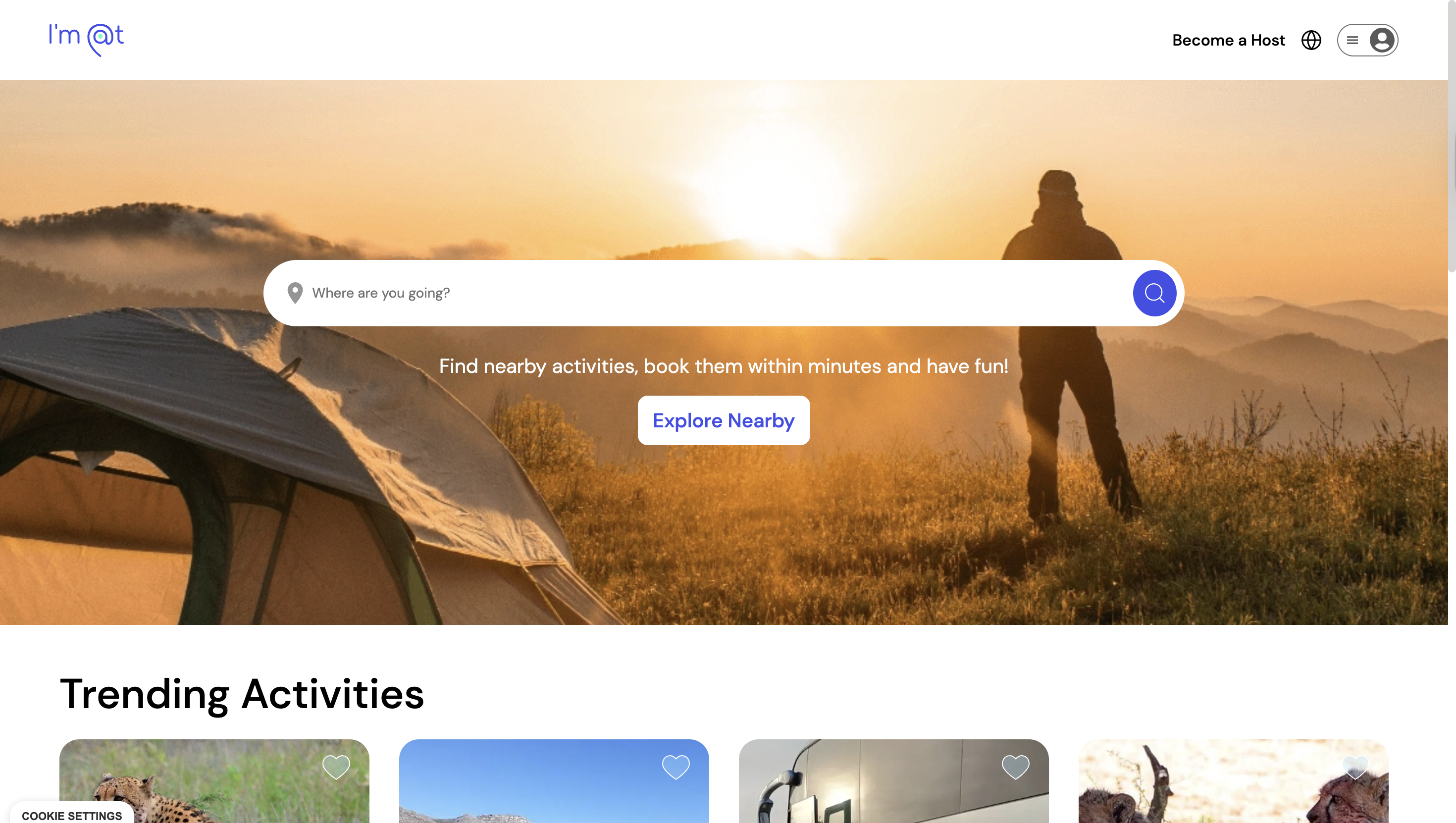
Im-at is built for exactly this: a marketplace where travelers can search, compare, and book small-group cultural tours, workshops, and local experiences worldwide. Every listing shows group size, what's included, and cancellation terms upfront. No guesswork about whether it's a tourist trap or a genuinely local gathering.
- Filter by activity type, group size, and location to find recurring or participatory formats.
- Browse curated options like tailor-made 4×4 tours for small-group outdoor experiences, or cultural day tours that put you alongside local guides.
- Book in minutes, with pricing in USD and clear cancellation policies.
Participation note: always confirm with the host whether an event is open to visitors and whether any cultural protocols apply before booking.
Head to im-at.com to search activities at your next destination.
Useful sources and further reading
- Fostering Social Capital Through Community Events — University of New Hampshire Extension. Applied guidance on recurring events and social capital design.
- Social Value of Community Events: Final Summary Report — Spirit of 2012 / Local Trust. Sector report on volunteering, cohesion, and event impact.
- Social Prescribing Mechanisms (PMC11216282) — Peer-reviewed ethnographic study on psychological and social mechanisms of community participation.
- Community Centre Arts, Leisure and Social Activities (PMC3709358) — Before-and-after study of 687 adults; wellbeing outcomes across activity types.
- Arts Participation, Social Cohesion, and Wellbeing (Frontiers, 2025) — Integrative review of 18 studies across 12 countries.
- Local Festivities as a Catalyst for Social Cohesion (PMP Journal) — Mixed-methods study on festivities in small settlements and economic revitalization.
This guide draws on six primary sources. For additional reading recommendations or questions about any finding cited here, contact the Im-at team through im-at.com.