
TL;DR:
- Local events strengthen community bonds by creating shared experiences that foster trust and familiarity among residents. They also generate significant economic benefits through tourism and support local artisans, boosting overall community vitality. Participating regularly builds social identity, civic habits, and a sense of belonging that lasts over time.
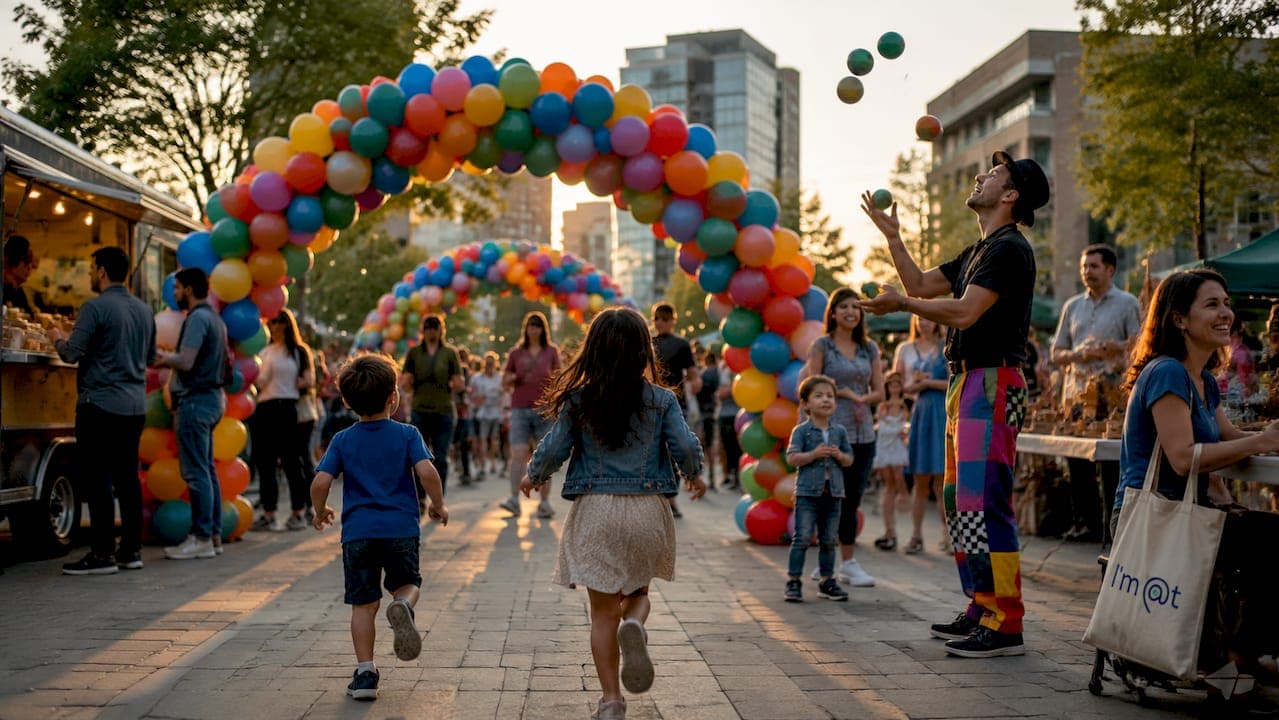
Local events are defined as organized community gatherings that serve as primary drivers of leisure, social cohesion, and economic vitality within a given place. Whether a Saturday farmers market, an annual street festival, or a neighborhood sports tournament, these events shape how residents and visitors experience their surroundings. Academic researchers and urban planners increasingly treat community gatherings and leisure as inseparable concepts. The role of local events in leisure extends far beyond entertainment. They build identity, generate income for small businesses, and create the kind of emotional attachment to place that keeps communities healthy over time.
How do local events shape leisure and social connection?
Local events create what political scientist Sean Richey calls "civic rituals," recurring gatherings that form emotional ties between residents and their communities. These rituals do something that passive leisure activities cannot. They put people in the same physical space, facing the same direction, sharing the same experience. That shared context builds trust and familiarity across groups that might never otherwise interact.
The social benefits of community gatherings and leisure extend into civic life. Research shows that residents who attend local events regularly report higher rates of volunteerism and local political participation. The emotional attachment formed through repeated attendance at neighborhood events translates into a genuine investment in community outcomes. People who love where they live tend to show up for it.
Festivals function as "social infrastructure" critical to community life, comparable in importance to roads and bridges. That framing is not hyperbole. Remove the annual harvest festival or the weekly outdoor market from a small town, and you remove one of the few spaces where diverse residents interact as equals. Farmers markets, in particular, operate as modern town squares where neighbors meet, local producers connect with customers, and community identity gets reinforced week after week.
Residents also rate local sporting events as highly beneficial to city image, scoring 4.35 out of 5 on perceived community benefit while rating social cost concerns at just 2.40 out of 5. That gap matters. It means residents see far more upside than downside in hosting local events, which supports continued investment in community programming.
- Attend the same recurring event three times and you will recognize faces, learn names, and begin to feel ownership over the space.
- Volunteer at a local festival to accelerate your integration into the community network.
- Bring children to local events early. Children's participation in community gatherings builds lifelong civic habits that carry into adulthood.
- Seek out events that attract a mix of ages and backgrounds. Diversity within an event audience strengthens the social bonds formed there.
Pro Tip: Commit to attending one recurring local event monthly for three months. By the third visit, you will have built enough familiarity to introduce yourself to organizers and deepen your community ties significantly.
What economic impact do local events have on communities?
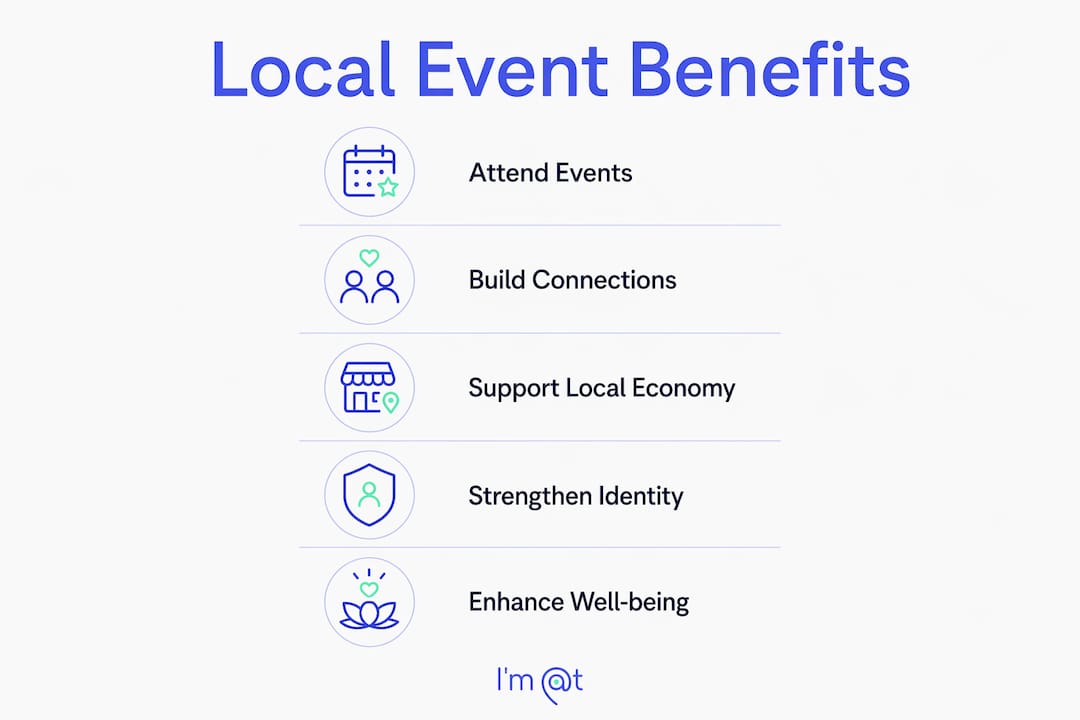
Local events generate direct and indirect economic activity that reaches well beyond the event itself. One county fair in Douglas produced $732,000 in total economic impact, with 75% of that spending occurring outside the fairgrounds. That means hotels, restaurants, gas stations, and retail shops captured the majority of the economic benefit, not the event organizers themselves.
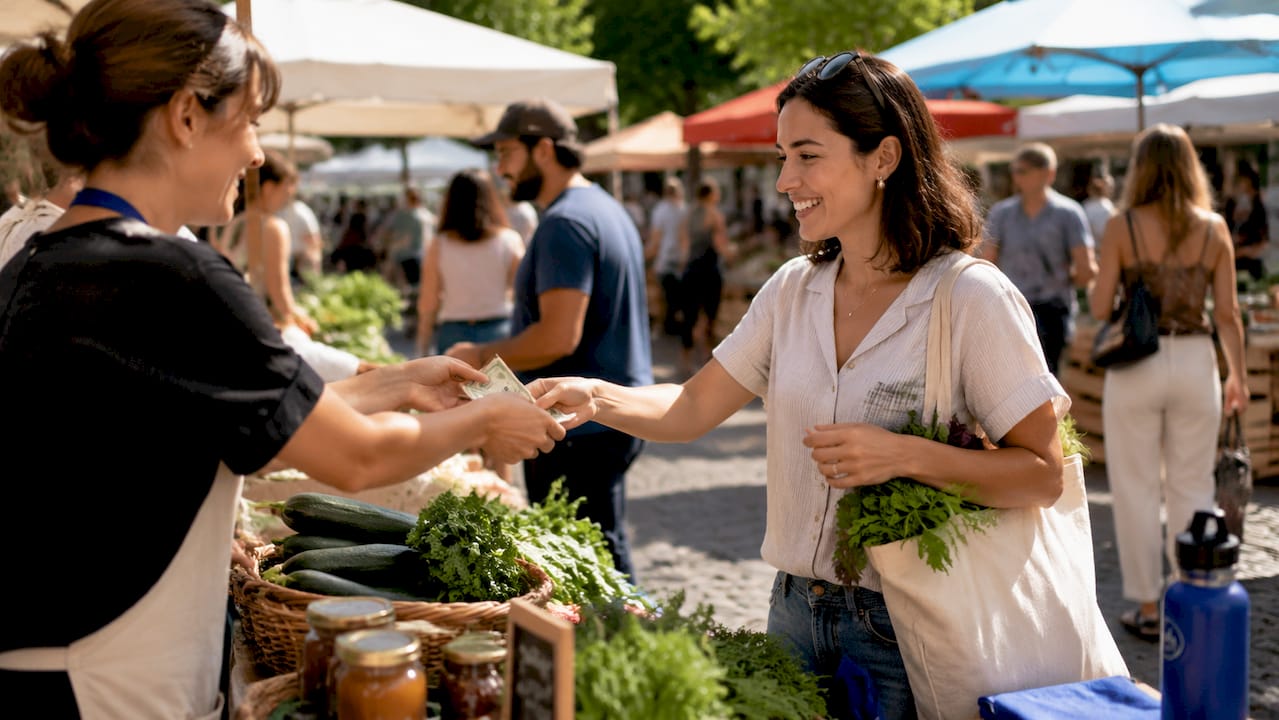
This is the multiplier effect in action. A visitor who attends a local festival buys a ticket, then eats at a nearby restaurant, stays at a local inn, and shops at a boutique on the main street. Each dollar spent circulates through the local economy multiple times before leaving the community. Small businesses that might struggle during off-peak seasons rely on this cycle to maintain year-round stability.
Local events also introduce non-locals to communities, increasing visibility and creating reasons for return visits. A first-time festival attendee who has a positive experience becomes a repeat visitor. That repeat visitor eventually becomes someone who recommends the destination to friends. The long-term tourism value of a single well-run local event compounds over years.
| Spending category | Where money goes | Who benefits most |
|---|---|---|
| Lodging | Local hotels and inns | Hospitality businesses |
| Food and drink | Restaurants, food vendors, markets | Food service industry |
| Retail shopping | Boutiques, artisan stalls, souvenir shops | Local retailers and craftspeople |
| Transportation | Gas stations, parking, local transit | Service providers |
| In-event spending | Tickets, rides, games | Event organizers and vendors |
Local artisans and seasonal vendors depend on events as their primary sales channel. A ceramics maker or a jam producer may earn a significant portion of annual revenue during a single weekend festival. Supporting these vendors at local events is one of the most direct ways residents and visitors contribute to community economic health.
Pro Tip: When attending a local event, spend at least one purchase outside the venue perimeter. That choice puts money directly into the hands of neighboring businesses and amplifies the event's economic reach.
In what ways do local festivals and events shape community identity?
Annual and recurring events mark time in a community the way seasons mark a calendar. They create collective memory. A town that has hosted the same harvest festival for 40 years has built a shared narrative that residents carry with them even after they move away. That narrative is part of what makes a place feel like home rather than just a location.
Local festivals showcase cultural diversity and heritage in ways that no museum exhibit or civic campaign can replicate. When a community celebrates its ethnic traditions, its agricultural roots, or its artistic identity through a live event, it communicates those values to both residents and visitors in a visceral, participatory way. A 2026 Scientific Reports study found that rural sporting events enhance well-being by rebuilding identity and promoting social interaction. The mechanism is emotional, not just logistical.
Events also shape how outsiders perceive a community. A city known for its jazz festival or its chili cook-off carries a distinct identity in the minds of visitors. That identity attracts like-minded people, builds tourism, and reinforces the pride of long-term residents. The event becomes a symbol of the place itself.
Here is how local events contribute to community identity formation:
- Collective memory: Recurring events create shared experiences that residents reference across generations.
- Cultural expression: Festivals give communities a public stage to display heritage, art, and local traditions.
- Place attachment: Participation in local events deepens the emotional bond between residents and their hometown.
- Visitor perception: Events define a community's reputation and attract visitors who align with its values.
- Resident pride: Hosting a well-regarded event builds civic pride and motivates ongoing community investment.
You can recognize your own role in this process. Every time you attend, volunteer at, or share a local event, you contribute to the story your community tells about itself.
How can you engage with local events to enrich your leisure experience?
Participation in local activities for recreation is one of the most accessible ways to improve personal well-being and expand your social network. The range of available event types means there is an entry point for nearly every interest and schedule.
Common local leisure event types include:
- Farmers markets and food festivals: Weekly or seasonal, accessible to all ages, and excellent for authentic local experiences.
- Cultural celebrations: Ethnic festivals, heritage days, and neighborhood block parties that highlight community diversity.
- Outdoor sporting events: Road races, cycling tours, and local tournaments that combine recreation with community pride.
- Arts and music events: Street fairs, gallery walks, and outdoor concerts that support local creative industries.
- Community markets and craft fairs: Spaces where local producers and artisans connect directly with residents and visitors.
For newcomers, finding local events is straightforward. Community boards, local newspapers, city websites, and platforms like Im-at list upcoming activities by location and category. Im-at, in particular, makes it easy to find nearby cultural experiences and book them within minutes, which removes the friction that often stops people from engaging with their surroundings.
| Event type | Typical activities | Primary audience | Leisure benefit |
|---|---|---|---|
| Farmers market | Shopping, tasting, socializing | Families, locals | Social connection, fresh food access |
| Cultural festival | Music, dance, food, crafts | Mixed ages, visitors | Cultural learning, community pride |
| Local sports event | Watching, participating, volunteering | Sports fans, athletes | Physical activity, civic engagement |
| Arts and music fair | Performances, exhibitions, workshops | Creative community | Inspiration, local artist support |
| Community market | Vendor stalls, demonstrations | Residents, tourists | Economic support, discovery |
Engagement with local events also aligns with a broader shift in travel preferences. Travelers increasingly seek authentic, meaningful experiences over generic tourism. Attending a local event as a visitor, rather than a tourist attraction, puts you inside the community rather than outside looking in. That distinction defines authentic travel and produces far richer memories.
Local food is often central to these experiences. The role of local cuisine in tourism shows how food-focused events drive both visitor loyalty and community pride, making markets and food festivals particularly powerful entry points for newcomers.
Key Takeaways
Local events are the single most accessible mechanism communities have for building social bonds, generating economic activity, and expressing collective identity simultaneously.
| Point | Details |
|---|---|
| Social infrastructure | Festivals and markets function like roads: remove them and community cohesion weakens noticeably. |
| Economic multiplier | One county fair generated $732,000, with 75% spent outside the venue in local businesses. |
| Identity formation | Recurring events create collective memory and shape how both residents and visitors perceive a community. |
| Civic engagement | Regular event attendance correlates with higher volunteerism and local political participation. |
| Leisure access | Platforms like Im-at make finding and booking local events fast, reducing barriers to participation. |
Why I think we consistently underestimate local events
People tend to evaluate local events by their surface qualities: the weather, the crowd size, the food options. That framing misses almost everything that matters. The real value of a community gathering accumulates invisibly, over years, through repeated exposure and shared memory.
I have watched event organizers strategically expand their programs, doubling vendor counts and extending hours, not primarily to increase revenue but to increase social capacity. More vendors means more reasons to stay, more conversations, more connections formed. That is deliberate community building disguised as event planning.
The piece most people overlook is children. Families who bring kids to local events year after year are not just enjoying a Saturday afternoon. They are installing civic habits. Those children grow up knowing what it feels like to belong to a place. They become the volunteers, the organizers, and the voters who keep communities functional decades later.
Visitors underestimate this too. Attending a local event as a traveler is not a consolation prize for missing the major tourist sites. It is often the most honest encounter with a place you will find. The people you meet at a neighborhood festival are not performing for you. They are just living their lives, and you get to be part of that for an afternoon.
My honest view: intentional engagement with local events is one of the highest-return leisure choices available to both residents and visitors. The cost is low, the social benefit is high, and the memories tend to outlast anything you booked through a conventional tourism channel.
— Mikahil
Find your next local experience with Im-at
Im-at connects travelers and locals with curated activities and events in destinations worldwide. The platform covers cultural tours, community festivals, outdoor adventures, and day trips, all bookable within minutes.
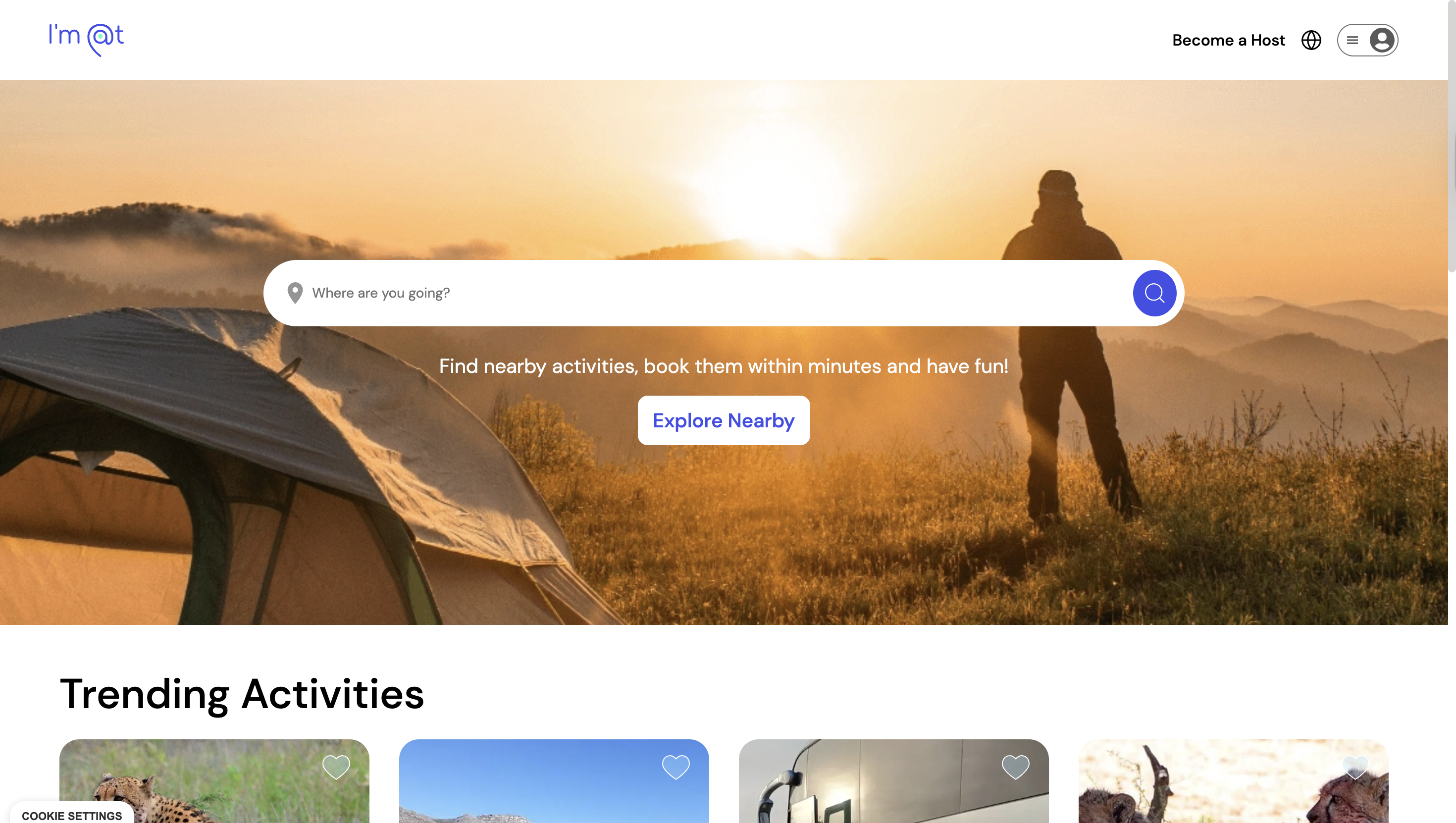
If the ideas in this article resonate, Im-at gives you a direct path to act on them. You can browse local activities and events that align with your interests, read descriptions from local guides, and book your spot without the usual back-and-forth. For a fuller experience, the Cape Town 3-day cultural tour blends township visits, Cape Peninsula exploration, and wine tasting into one itinerary that captures exactly the kind of community-rooted leisure this article describes. Im-at makes the planning part fast so you can spend more time actually showing up.
FAQ
What is the role of local events in leisure?
Local events serve as the primary social and recreational infrastructure of a community, providing residents and visitors with shared experiences that build connection, cultural identity, and personal well-being. They transform leisure from a private activity into a collective one.
How do local events benefit the local economy?
Local events generate significant economic activity through the multiplier effect, where visitor spending on lodging, food, and retail circulates through local businesses well beyond the event venue itself. A single county fair can produce hundreds of thousands of dollars in community-wide economic impact.
Why do local festivals matter for community identity?
Recurring festivals create collective memory and give communities a public stage to express their cultural heritage and values. Over time, these events become symbols of place that shape how both residents and visitors understand and feel about a community.
How can newcomers find local events to attend?
City websites, community boards, local newspapers, and platforms like Im-at list events by location and category, making it straightforward to find nearby activities that match your interests. Attending a recurring event multiple times accelerates social integration.
Do local events improve personal well-being?
Research confirms that participation in local sporting and cultural events enhances well-being by rebuilding personal identity and promoting social interaction, particularly in smaller communities where such events serve as primary social venues.