
TL;DR:
- Diversifying travel experiences involves intentionally seeking varied destinations and activities to promote personal growth. Such travel enhances well-being, resilience, and empathy by stimulating brain plasticity through active cultural and physical engagement. Planning trips around specific emotional or skill-based outcomes maximizes long-term personal development.
Diversifying travel experiences is defined as the deliberate practice of seeking varied types of trips, cultures, and activities rather than repeating familiar destinations or routines. Research confirms that memorable tourist experiences correlate strongly with subjective well-being, with psychological resilience amplifying that effect. Travelers who mix cultural immersion, adventure, and learning-focused trips build more than memories. They build measurable emotional and cognitive strength. Im-at exists precisely to help you find and book that variety, wherever you are in the world.
Why diversify travel experiences at all?
Travel experience diversity is the recognized term in travel psychology for the range and depth of experiences a traveler accumulates across different destinations, activity types, and cultural contexts. The concept goes well beyond collecting passport stamps. It describes how intentionally varied travel reshapes the way you think, feel, and relate to others.
The core argument is straightforward. Staying within your comfort zone during travel produces enjoyment, but not transformation. Productive discomfort is the primary mechanism for genuine perspective change. That discomfort, the moment you navigate an unfamiliar market, attempt a language you barely speak, or complete a physical challenge you almost skipped, is exactly where growth happens.
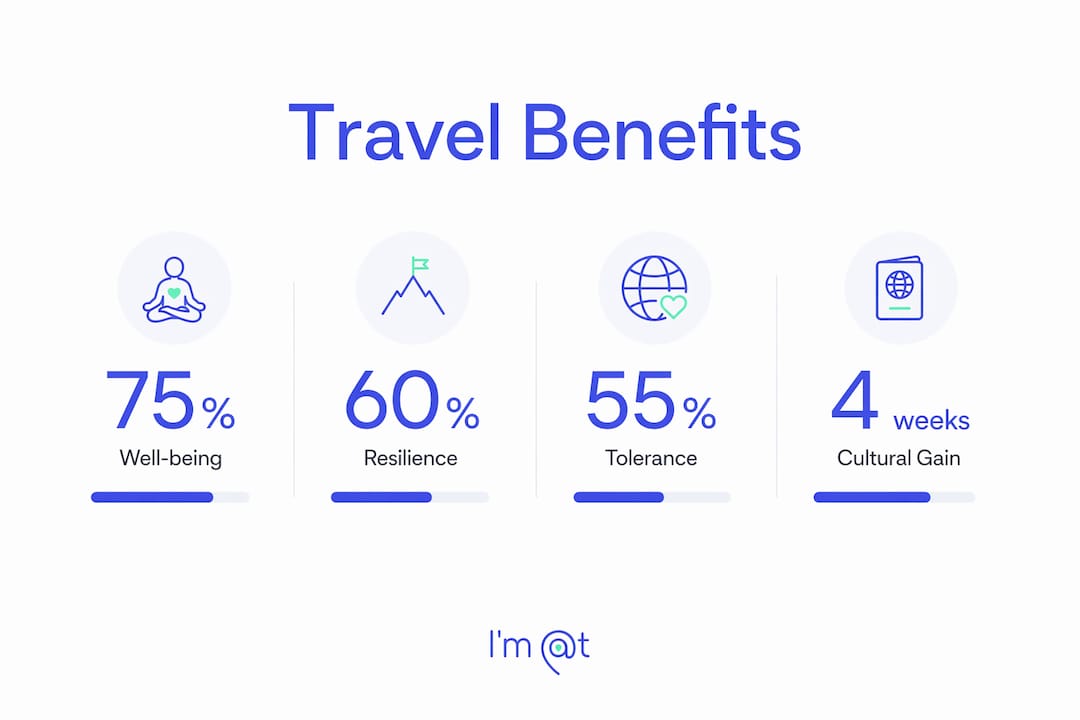
The importance of varied travel also shows up in long-term well-being data. A study of 665 university teachers found a significant positive correlation between memorable travel experiences and subjective well-being (β = 0.436, p < 0.001). That number tells you something concrete: the quality and variety of your travel experiences predict how good you feel about your life overall.
How does varied travel stimulate brain and emotional growth?
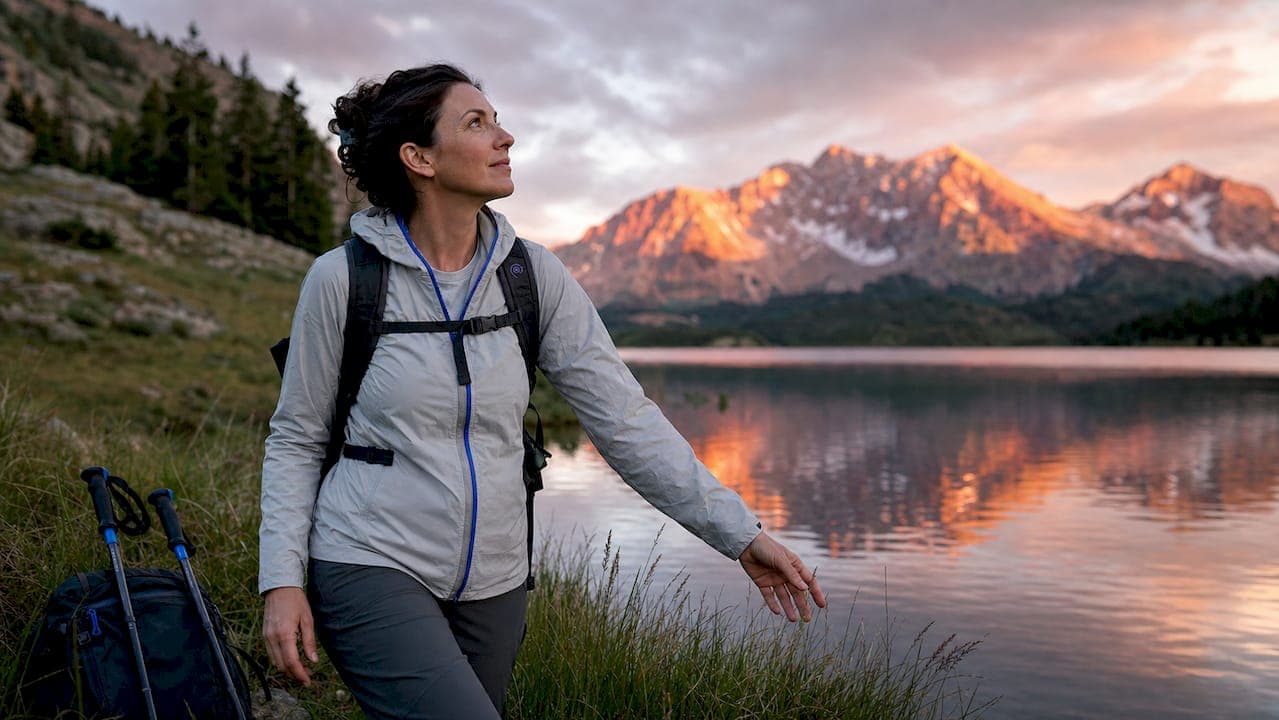
The science connecting different travel experiences to brain change is now well established. Deep cultural immersion activates neuroplasticity, the brain's ability to form new connections, leading to increased creativity, cognitive flexibility, and empathy. This is not a metaphor. Sustained interaction with unfamiliar environments forces your brain to improvise and recalibrate repeatedly, which builds new neural pathways.
Awe plays a specific role here. Data from seven samples collected between 2020 and 2022 show that awe induced by travel increases empathy across multiple metrics. Awe is the feeling you get standing at the edge of the Serengeti at dawn or watching a traditional ceremony you have never seen before. That feeling is not just pleasant. It physically expands your sense of connection to other people.
The distinction between passive tourism and active engagement matters enormously. A traveler who books a bus tour and photographs landmarks from a window gets a very different neurological experience than one who joins a cooking class in a local home or hikes a trail with a community guide. Active engagement forces sustained brain engagement and drives the neuroplasticity that passive sightseeing simply does not trigger.
Key cognitive and emotional benefits of varied travel include:
- Cognitive flexibility: Navigating unfamiliar systems, languages, and social norms trains the brain to switch between mental frameworks quickly.
- Empathy: Exposure to different ways of living reduces assumptions and builds genuine understanding of other perspectives.
- Creativity: Novel environments break habitual thinking patterns, which is why many artists, writers, and entrepreneurs travel deliberately.
- Intercultural competence: International tourism functions as informal intercultural training, building the cross-cultural adaptability that employers now recognize as a global skill.
Short-term international experiences of just 3–4 weeks significantly improve cultural engagement and tolerance of ambiguity. A study of 829 students reported measurable gains in these competencies after short-term study abroad programs in 2023. The implication is powerful: you do not need a year-long sabbatical to grow. A focused, intentional trip of a few weeks can rewire how you engage with the world.
What are the psychological benefits of varied travel?
The psychological case for travel experience variety is built on three pillars: well-being, resilience, and tolerance.
Well-being gains from travel are real but conditional. The research on 665 teachers shows that positive emotions mediate the relationship between travel experiences and subjective well-being. That means the emotional quality of your trip, not just its length or cost, determines how much it improves your life. A two-week trip filled with genuine connection and challenge outperforms a month of passive resort stays.
Resilience acts as a moderator. Travelers who already have some psychological resilience get more out of varied experiences. The good news is that varied travel also builds resilience over time. The relationship is circular and self-reinforcing. Each challenging trip makes the next one more rewarding.
Pro Tip: Structure at least one trip per year around a skill or emotional outcome rather than a destination. Ask yourself what you want to feel or be able to do differently when you return, then choose activities accordingly.
Tolerance of diversity and ambiguity also grows with varied travel. The short-term study abroad research found that students became more comfortable with uncertainty and more open to people different from themselves after just a few weeks abroad. Ambiguity tolerance is a trait that predicts success in complex environments, from workplaces to relationships. Travel builds it faster than most other methods.
| Psychological benefit | What it means for you |
|---|---|
| Higher subjective well-being | Varied travel experiences predict greater life satisfaction over time. |
| Stronger resilience | Challenging trips build the emotional strength to handle future adversity. |
| Greater empathy | Exposure to new cultures reduces bias and deepens human connection. |
| Improved ambiguity tolerance | Navigating unfamiliar situations trains comfort with uncertainty. |
| Increased creativity | Novel environments break habitual thinking and open new problem-solving paths. |
How to diversify your travel experiences effectively
Intentional planning separates transformative travel from ordinary tourism. These strategies produce the best results.
-
Set an outcome before you book. Decide what you want to gain, a new skill, a cultural understanding, a physical challenge, before you choose a destination. Purposeful trip planning around emotional or skill outcomes leads to more meaningful long-term well-being than destination-fixation.
-
Mix activity types within every trip. Pair high-energy experiences like a 4x4 safari or a coastal hike with slower, reflective activities like a cooking class or a visit to a local market. Alternating intense activities with rest prevents burnout and deepens the overall impact of each experience.
-
Seek authentic local participation. Eating at a restaurant designed for tourists is not the same as sharing a meal in a local home. Seek out authentic local experiences that put you in genuine contact with the people and rhythms of a place.
-
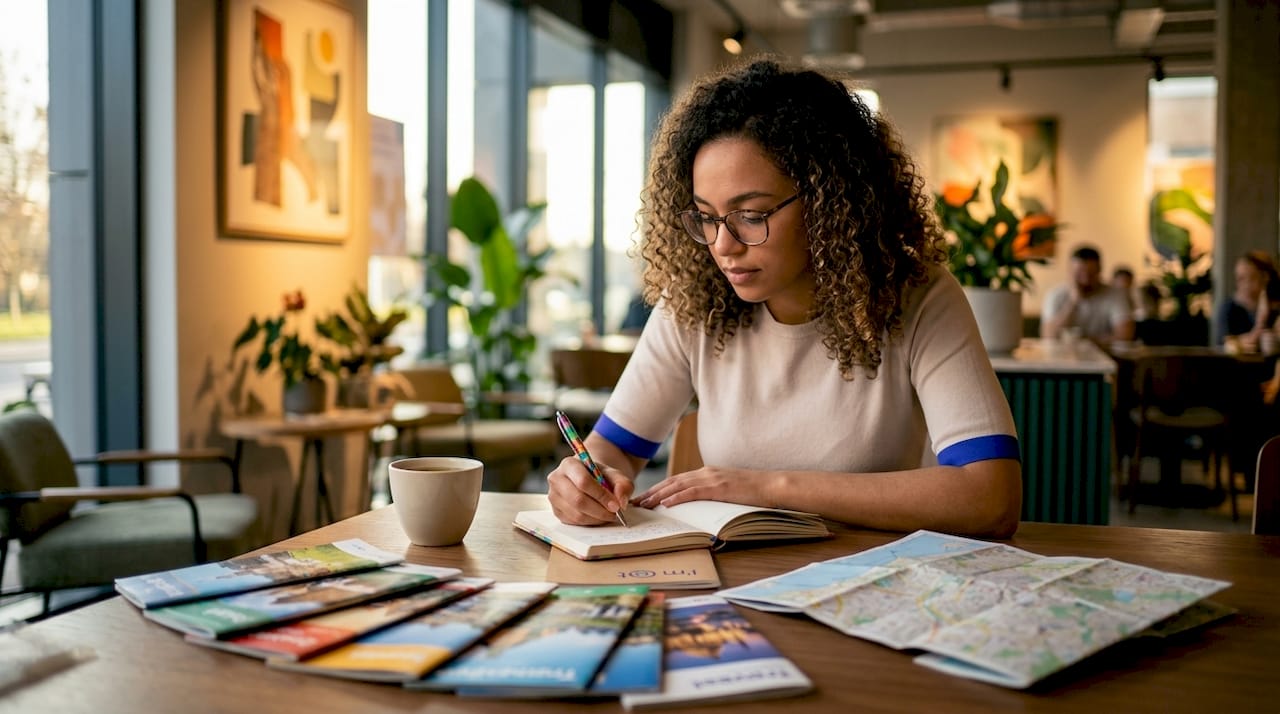
Reflect during and after the trip. Journaling, honest conversations with travel companions, and deliberate meaning-making amplify lasting change beyond the temporary shifts that fade within weeks of returning home. Transformative travel requires conscious reflection to stick.
-
Rotate experience categories across trips. If your last trip was adventure-heavy, make the next one culturally focused or learning-based. Rotating categories builds a broader psychological and experiential portfolio over time.
Pro Tip: Keep a one-page travel reflection sheet for every trip. Write three things that surprised you, one belief that shifted, and one thing you want to do differently at home. This single habit converts good trips into lasting growth.
What types of travel experiences build the most diversity?
Different categories of travel produce distinct benefits. Understanding what each type offers helps you build a genuinely varied travel portfolio.
Cultural immersion deepens empathy and cross-cultural competence. Spending time in a community, learning its history, and participating in its daily life builds the kind of understanding that no documentary can replicate. Guides on cultural immersion for travelers consistently show that depth of engagement matters more than duration.
Adventure travel fosters resilience and a shared sense of identity with others who push their limits. Completing a physical challenge in an unfamiliar environment, whether a mountain trek, an off-road safari, or a water sport, produces a specific kind of confidence that transfers to everyday life.
Culinary and gastronomy tourism offers a surprisingly direct path into a culture's values, history, and social life. Gastronomy tourism connects food to place in ways that make destinations feel genuinely alive rather than staged.
Eco-tourism builds ecological awareness and a sense of responsibility toward the environments you visit. Travelers who engage with natural habitats through guided wildlife experiences or conservation programs return with a broader sense of their role in the world.
Educational travel enhances knowledge and global skills. This category includes language immersion programs, heritage site visits with expert guides, and craft workshops led by local artisans. The benefits of cultural experiences in this category extend well beyond the trip itself, showing up in professional adaptability and interpersonal intelligence.
| Travel type | Primary benefit |
|---|---|
| Cultural immersion | Empathy, cross-cultural competence |
| Adventure travel | Resilience, physical confidence |
| Culinary tourism | Cultural understanding, sensory engagement |
| Eco-tourism | Ecological awareness, global responsibility |
| Educational travel | Knowledge, global employability skills |
Key Takeaways
Varied travel experiences produce measurable gains in well-being, resilience, and empathy when paired with intentional engagement and deliberate reflection.
| Point | Details |
|---|---|
| Variety drives well-being | Memorable, diverse experiences correlate strongly with higher life satisfaction. |
| Active engagement matters | Participating in local life produces neuroplasticity that passive sightseeing does not. |
| Reflection locks in growth | Journaling and meaning-making after travel prevent psychological gains from fading. |
| Mix activity types | Alternating challenge with rest prevents burnout and deepens each experience's impact. |
| Short trips still count | Even 3–4 weeks of intentional international travel significantly improves cultural competence. |
The case for psychological richness over happiness
I spent years chasing the "perfect" trip, the one with the best weather, the most iconic views, and the smoothest logistics. What I eventually learned is that the trips that changed me most were the ones that went slightly sideways. The safari where the vehicle broke down and we sat in silence watching elephants for two hours. The cooking class where I could not understand a word the instructor said and had to learn entirely by watching her hands. Those moments of productive discomfort are where the real work happens.
The concept of psychological richness in travel planning is something I now think about before every trip. A psychologically rich trip is not always a happy one in the moment. It is one that gives you new perspectives, tests your assumptions, and leaves you with stories you could not have predicted. That is a very different goal than comfort or relaxation, and it requires a different kind of planning.
My honest advice: stop organizing your travel around destinations and start organizing it around questions. What do I want to understand better? What kind of person do I want to become? What challenge am I ready to take on? The destination becomes the vehicle for answering those questions, not the point itself.
— Mikahil
What Im-at offers for travelers ready to go deeper
Im-at connects travelers with experiences designed to do exactly what this article describes: challenge, immerse, and expand. The platform catalogs guided tours, cultural excursions, outdoor adventures, and local activities across destinations worldwide, making it possible to plan a genuinely varied itinerary in minutes.
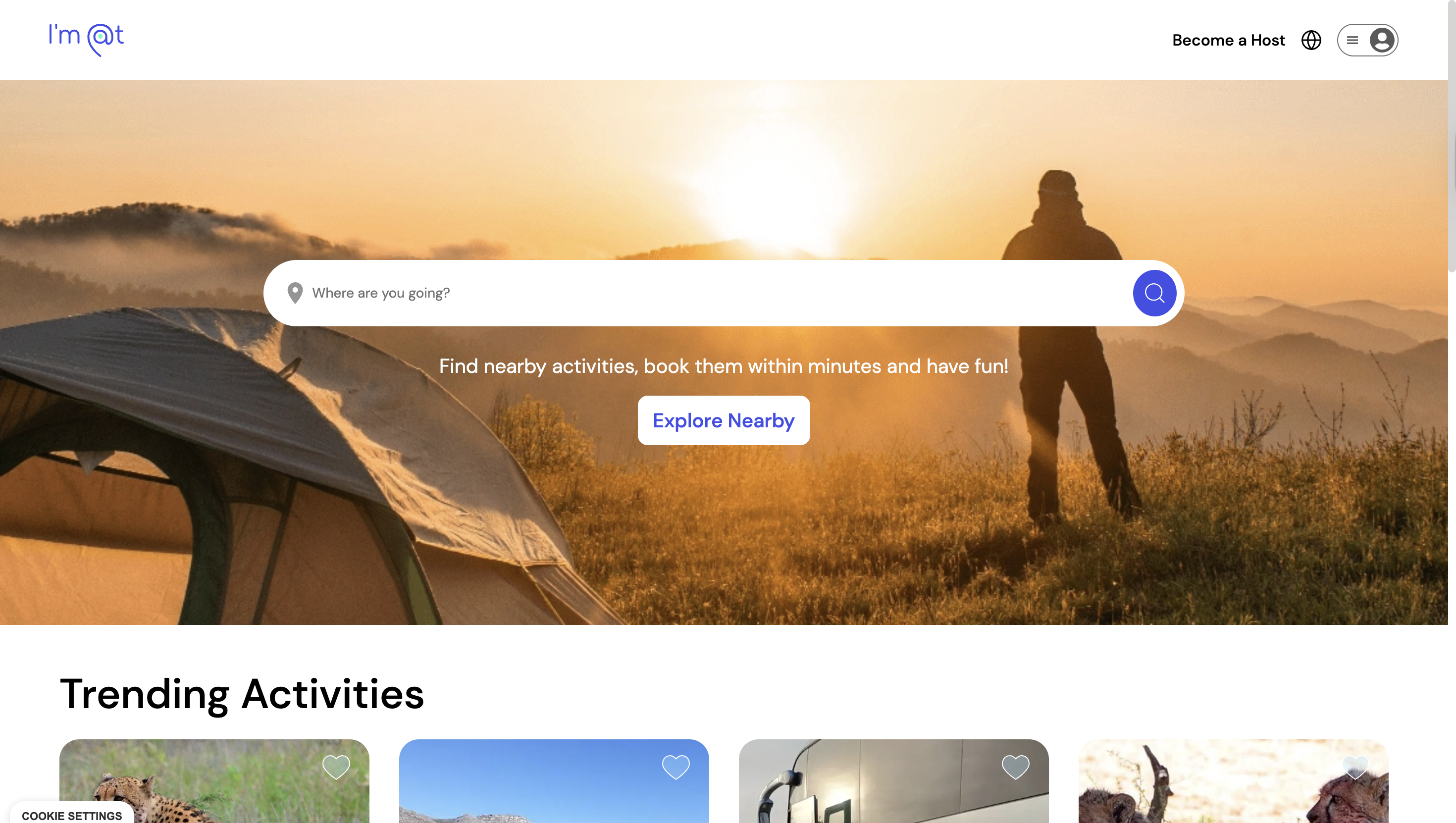
For travelers ready to move beyond standard tourism, Im-at's tailor-made 4x4 tours combine off-road adventure with authentic landscape and wildlife encounters. The Cape Town 3-day cultural tour covers township visits, the Cape Peninsula, and wine tasting in a single curated experience that hits cultural, culinary, and adventure categories at once. Both are built for travelers who want their trips to mean something.
FAQ
Why does travel diversity improve well-being?
Varied travel produces positive emotions and memorable experiences that correlate directly with higher subjective well-being. Research shows psychological resilience amplifies this effect, making each new type of experience more rewarding than the last.
How long does a trip need to be to produce real benefits?
Short-term international experiences of just 3–4 weeks produce measurable gains in cultural competence, empathy, and ambiguity tolerance. Duration matters less than the depth and intentionality of engagement during the trip.
What is the difference between passive tourism and active travel?
Passive tourism involves observing a destination from a distance, such as bus tours or resort stays, while active travel means participating directly in local life, culture, or physical challenges. Active engagement triggers neuroplasticity and empathy in ways that passive sightseeing does not.
How do I start diversifying my travel if I always return to the same places?
Start by adding one new experience category to a familiar destination, such as a cooking class, a guided wildlife experience, or a cultural workshop. Rotating experience types builds variety even within destinations you already know.
Does reflection after travel actually matter?
Intentional reflection, through journaling, conversations, or deliberate meaning-making, significantly boosts the lasting psychological benefits of travel. Without it, the growth from even a powerful trip tends to fade within weeks of returning home.