

TL;DR:
- Mixing different activities on trips improves physical recovery, emotional resilience, and connection to destinations. Planning one high-intensity activity per day with varied experiences prevents fatigue and enhances total enjoyment. Im-at offers curated packages that simplify creating balanced, multi-activity itineraries for diverse travelers.
Mixing activities on trips is the single most effective way to maximize enjoyment, physical recovery, and emotional connection to a destination. Travelers who combine adventure, culture, and relaxation report deeper satisfaction than those who focus on one type of experience. A 2026 BMC Public Health study with 585 participants found that diverse leisure sport tourism improves emotional stability and psychological resilience more than routine exercise alone. That finding reframes how you should think about trip planning. Variety is not a luxury. It is the architecture of a great trip.
Why mix activities on trips: the physical and psychological case
Mixing activity types during travel produces measurable benefits for both body and mind. The 2026 longitudinal study mentioned above tracked participants across three waves and confirmed that emotional stability improves when travelers engage in diverse leisure sport tourism rather than repeating the same activity type. That result matters because most travelers default to one mode, all hiking, all beach, or all sightseeing, and wonder why they feel drained by day three.
Alternating between high-intensity and low-intensity experiences prevents the kind of cumulative fatigue that turns a dream trip into an endurance test. When your body and mind face different stimuli each day, they stay engaged rather than going through the motions.
Physical recovery is the other half of this equation. Mixing land and sea activities allows different muscle groups to recover while you stay active. A morning of trail running stresses your legs and joints. An afternoon of kayaking shifts the load to your upper body and core, giving your legs a functional rest without forcing you to sit still. That alternation is borrowed directly from interval training principles used in sports science.
Pro Tip: Schedule your highest-intensity activity for the morning when energy is peak, then plan something low-impact for the afternoon. You will cover more ground across the trip without burning out.
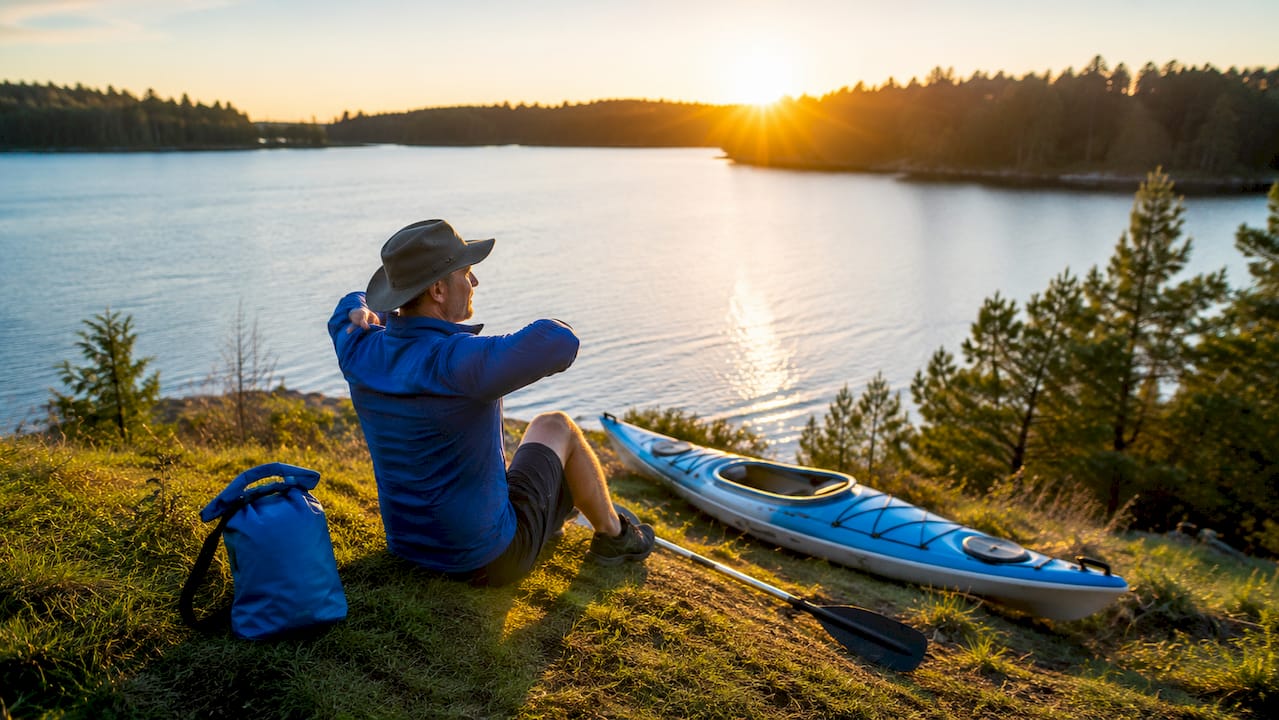
Mental freshness follows the same logic. Varied sensory inputs, new textures, sounds, and physical demands, prevent the brain from going on autopilot. Active trips build resilience and curiosity precisely because they keep presenting novel challenges. Novelty is what converts a trip into a memory rather than a blur.
How can travelers plan mixed activities to prevent fatigue?
Effective planning for a mixed itinerary comes down to one principle: intensity sequencing. Travel experts recommend the "one big thing" framework, where each day anchors on one high-intensity activity and fills the rest with flexible, lower-effort options. That structure prevents the over-packed schedule that leaves travelers exhausted and resentful by midweek.
A practical intensity classification system works like this:
- High intensity: Multi-hour hikes, surfing lessons, cycling tours, guided climbing excursions.
- Medium intensity: City walking tours, snorkeling, light kayaking, cooking classes.
- Low intensity: Wine tasting, museum visits, beach time, local market browsing.
The rule is one high-intensity activity per day, with medium and low options filling the surrounding hours. That limit follows interval training logic. Stacking two high-intensity activities back to back compounds fatigue and increases the risk of injury or illness mid-trip.
Pro Tip: Choose a base location that puts multiple activity types within 30 minutes of travel. Spending two hours in transit to reach each activity eats into recovery time and adds logistical stress that undermines the whole plan.
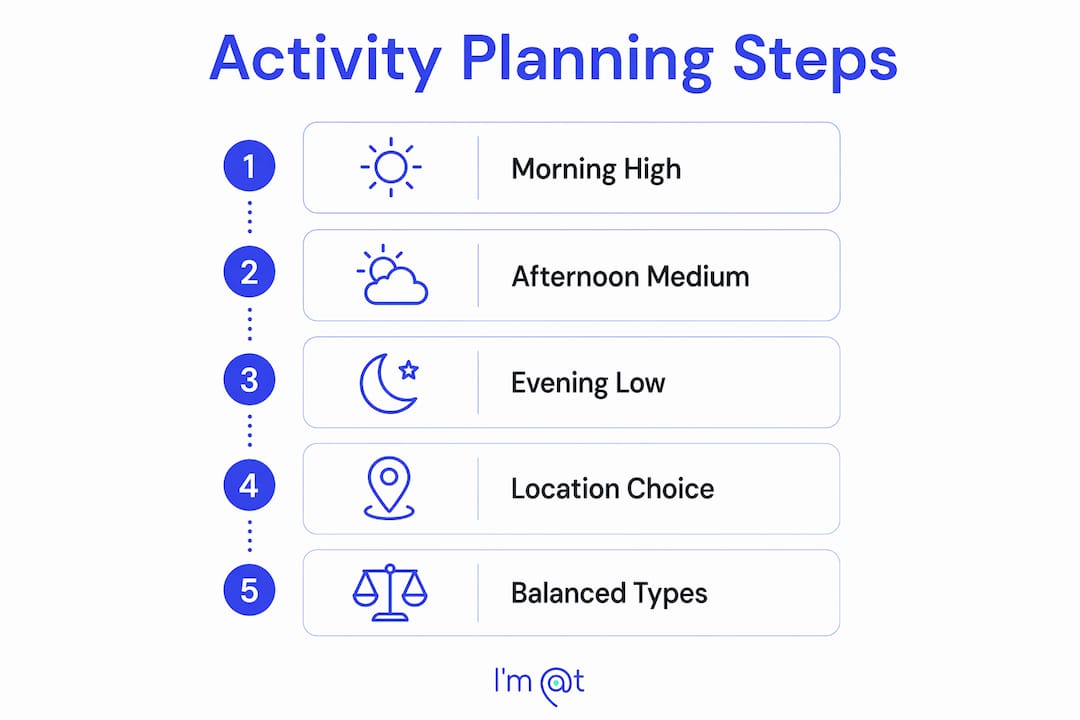
The table below shows a sample three-day mixed itinerary structure that applies these principles:
| Day | Morning (high) | Afternoon (medium/low) | Evening |
|---|---|---|---|
| Day 1 | Guided hiking trail | Cultural village tour | Local dinner experience |
| Day 2 | Kayaking or surfing | Beach relaxation | Sunset wine tasting |
| Day 3 | Cycling excursion | Museum or market visit | Group cooking class |
This structure also applies the land-sea alternation principle. Day 1 is land-focused. Day 2 shifts to water. Day 3 returns to land. That rotation gives specific muscle groups time to recover without breaking the momentum of an active trip. For practical guidance on building this kind of schedule, trip itinerary planning resources can help you sequence activities by intensity and location.
Why does mixing activity types deepen your connection to a destination?
A single-focus trip gives you one lens on a place. A mixed itinerary gives you several, and the difference in understanding is significant. Multi-adventure tours combining four to six activities deliver multiple perspectives on a destination, creating deeper understanding and more memorable experiences than any single activity can provide. That is not just a marketing claim. It reflects how memory and meaning are actually formed.
Modern travelers increasingly recognize this. Layered trips that combine adventure, culture, and self-care reflect a clear shift away from single-focus vacations toward experiences that engage the whole person. A traveler who kayaks a coastal bay in the morning and visits a fishing village in the afternoon understands that ecosystem from two angles. The physical experience and the human story reinforce each other.
The benefits of this approach include:
- Richer cultural context: Combining a guided historical tour with a local cooking class connects abstract history to lived daily life in a way that neither activity achieves alone.
- Stronger emotional resonance: Activities tied to the same local ecosystem or community create a sense of place that single-activity trips rarely produce.
- Reduced vacation fatigue: Varied sensory inputs prevent the brain from habituating to a single type of stimulus, keeping engagement high throughout the trip.
- Broader memory formation: Neuroscience research consistently shows that novel experiences create stronger and more distinct memories than repeated ones.
The benefits of cultural experiences are amplified when they sit alongside physical adventure rather than replacing it. A safari followed by a visit to a local community tells a complete story. A safari alone tells only part of it. Incorporating local cuisine into your itinerary adds another layer, connecting you to a destination through taste, tradition, and the people who produce the food.
How do you handle group travel when everyone has different energy levels?
Group travel introduces a variable that solo planning does not: other people's preferences, fitness levels, and tolerance for intensity. The solution is not to find one activity everyone tolerates. The solution is to build a schedule that explicitly accounts for difference.
Explicit together and apart scheduling reduces social tension in mixed groups. When everyone knows in advance which activities are shared and which are optional, no one feels guilty for skipping the sunrise hike or pressured to join the museum tour. That clarity removes the low-grade friction that accumulates over multi-day group trips.
Practical strategies for mixed-group itineraries include:
- Anchor the group on shared meals and one daily activity. Everything else becomes optional. This gives the group connection points without forcing everyone into the same experience all day.
- Choose activity environments with multiple intensity zones. A national park works for hikers and casual walkers. A coastal area works for surfers and sunbathers. The location itself accommodates different energy levels.
- Build in self-organized exploration blocks. A two-hour window where everyone does their own thing prevents the resentment that builds when high-energy travelers feel held back and low-energy travelers feel pressured.
- Plan logistics around the least mobile person. Transport, accessibility, and timing should default to what works for the group member with the most constraints. Everyone else can adapt up from there.
Managing mixed group dynamics is fundamentally about communication before the trip starts. Agreeing on the structure in advance prevents the in-the-moment negotiations that drain energy and create conflict. A shared itinerary with clearly labeled "optional" and "group" activities does most of this work automatically.
Key Takeaways
Mixing activities on trips produces better physical recovery, stronger emotional engagement, and deeper destination connection than any single-focus travel approach.
| Point | Details |
|---|---|
| Psychological resilience improves | Diverse leisure sport tourism builds emotional stability better than routine single-activity travel. |
| One high-intensity activity per day | Limiting intense activities prevents burnout and follows proven interval training principles. |
| Land-sea alternation aids recovery | Switching between land and water activities lets muscle groups recover while you stay active. |
| Layered experiences deepen connection | Combining adventure, culture, and relaxation gives you multiple perspectives on a destination. |
| Group trips need explicit scheduling | Planned together and apart time reduces tension and respects different energy levels in groups. |
The case for variety: why I stopped planning single-focus trips
I used to plan trips around one thing. One national park. One city. One sport. The logic felt sound: go deep, not wide. What I actually got was diminishing returns by day two and a strange flatness by the end of the week.
The shift happened on a trip where logistics forced me to mix a morning hike with an afternoon boat tour and an evening at a local market. By accident, I had built a mixed itinerary. The contrast between the physical effort of the hike and the ease of the boat tour made both feel more vivid. The market gave the whole day a human dimension that neither outdoor activity provided alone.
What I have come to believe is that single-focus trips are actually harder on the body and mind than mixed ones. The repetition of the same physical demand, the same type of scenery, the same pace, creates a kind of sensory monotony that masquerades as relaxation. Real recovery and real engagement come from contrast.
The travelers I see getting the most out of their trips are not the ones who pack in the most activities. They are the ones who sequence activities thoughtfully, alternating intensity and type, and leaving space for the unexpected. That balance is not a compromise. It is the point.
— Mikahil
Plan your next trip with Im-at's mixed-activity packages
Im-at connects travelers with curated multi-activity experiences that take the planning work out of building a balanced itinerary.
The Cape Town 3-Day Attraction package combines a township cultural tour, Cape Peninsula nature excursion, and wine tasting in a single trip structure that applies the land-culture-gastronomy mix directly. For something more unconventional, The Unholy Secrets offers a unique local engagement experience that adds depth and surprise to any itinerary. Im-at's catalog spans guided safaris, cultural village tours, city excursions, and outdoor adventures across multiple destinations, making it straightforward to find and book a combination that fits your energy level and interests.
FAQ
Why does mixing activities prevent travel fatigue?
Alternating activity types prevents any single muscle group or mental mode from being overloaded. Varied stimuli keep the brain engaged and the body recovering, which sustains energy across multi-day trips.
How many activities should I plan per day on a trip?
One high-intensity activity per day is the recommended limit, with one or two medium or low-intensity options filling the rest of the day. That structure follows interval training principles and prevents burnout.
What is the best way to mix activities for a group with different fitness levels?
Choose locations that offer multiple intensity zones, anchor the group on one shared daily activity and shared meals, and build in self-organized time blocks so each traveler can pursue activities at their own pace.
Does mixing cultural and adventure activities actually improve the travel experience?
Multi-adventure tours combining four to six activity types deliver multiple perspectives on a destination, producing stronger memories and deeper emotional connection than single-activity trips.
How does Im-at help travelers mix activities on trips?
Im-at's platform lets travelers browse and book curated multi-activity packages across adventure, cultural, and wellness categories, reducing the logistical effort of building a balanced itinerary from scratch.