

TL;DR:
- Tourists prefer bundled activities because they offer convenience, savings, and reduced planning stress.
- Operators benefit from higher revenue per booking and demand smoothing through well-designed bundles.
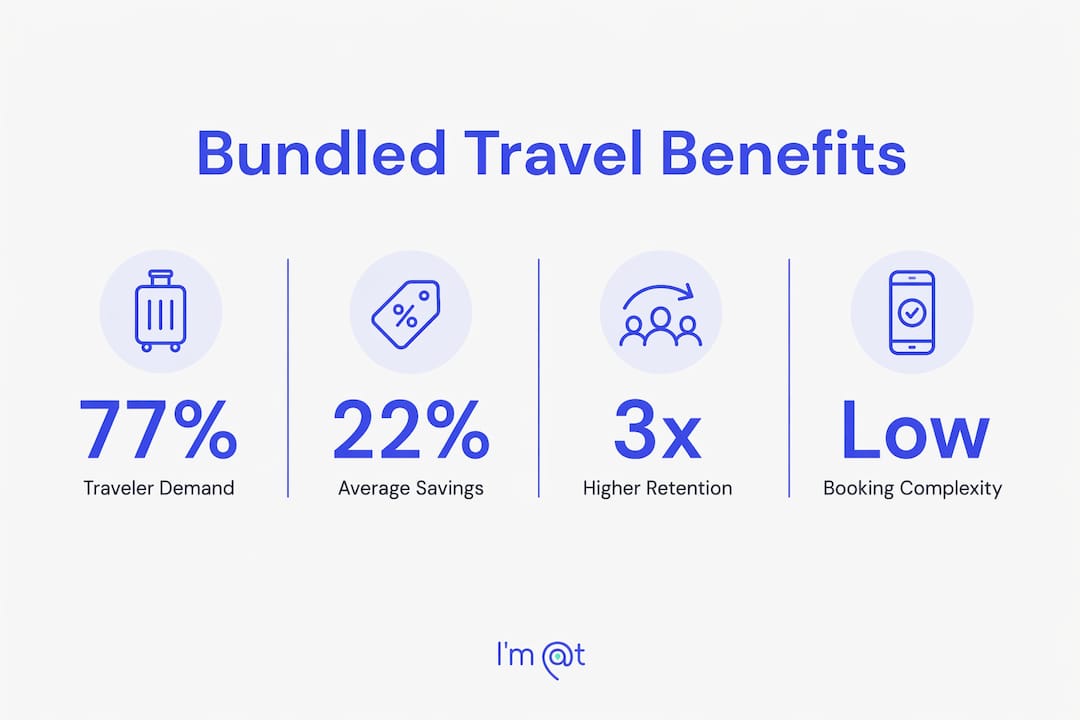
Tourists prefer bundled activities because bundles reduce planning friction, lock in perceived value, and frequently save money while delivering curated experiences. According to Expedia Group research, 77% of travelers are at least somewhat likely to book more than one trip element on the same platform, and 81% say additional savings would push them toward bundled bookings. The appeal is not just financial. Bundles remove the mental overhead of stitching together a trip from scratch, reduce the risk of mismatched experiences, and often surface activities travelers would never have found on their own.
The primary drivers, in plain terms:
- Convenience: One booking, one confirmation, one point of contact
- Savings: Consolidated purchases typically carry lower total fees and negotiated discounts
- Reduced decision fatigue: A pre-vetted set of experiences removes the paralysis of too many choices
- Discovery: Bundles introduce travelers to complementary activities they would not have searched for independently
- Simplified risk: Single-provider accountability makes refunds, rebookings, and support far easier
Table of Contents
- Why do travelers actually choose bundled packages?
- How bundling drives revenue and retention for operators
- What goes into a bundle and how are they structured?
- How should you design and price a bundle that actually converts?
- What does the research actually say about bundling?
- What are the most common bundling mistakes?
- Which KPIs should you track when running bundles?
- Step-by-step checklist to launch your first bundle
- Key Takeaways
- The case for bundles is stronger than most operators realize
- Where to find live bundle examples and book activities
- Useful sources and further reading
Why do travelers actually choose bundled packages?
Bundles reduce cognitive load. That is the short answer. When a traveler faces a city they have never visited, the prospect of separately researching a hotel, booking a transfer, finding a reputable tour, and reserving dinner reservations is genuinely exhausting. A well-designed bundle collapses that stack into one decision.
The psychology runs deeper than convenience, though. Research on mental budgeting and price bundling shows that tourists set a mental ceiling for discretionary spending, and how a bundle is framed directly shapes how much they spend above the base price. When the total cost is presented as a single number rather than itemized, travelers tend to perceive the overall value as higher and feel less "nickel-and-dimed" throughout the trip.
Practical benefits stack on top. A family booking a theme park weekend does not want to manage four separate vendor confirmations, two different cancellation windows, and a transfer that may or may not connect to the hotel shuttle. A bundle handles all of that. For solo adventure travelers, the benefit shifts slightly: a guided multi-activity package provides social proof that the itinerary is tested and safe, which matters when the destination is unfamiliar. For groups attending a concert or sporting event, a bundled tourist activity package keeps everyone on the same schedule and eliminates the friction of coordinating separate bookings across a dozen people.
Single-purchase flows also tend to consolidate or waive duplicated fees. Multiple booking fees, some ancillary charges, and redundant insurance add-ons often disappear when everything is purchased together, which creates real savings beyond any advertised discount.
Pro Tip: Before booking a la carte, price out the same components as a bundle on a single platform. The gap is often larger than expected, especially for hotel-plus-activities combinations where illustrative savings ranges run roughly 10–25%.
How bundling drives revenue and retention for operators
Bundling raises average order value without requiring a new customer. That is the core commercial logic. The guest is already in the booking flow, already committed to the destination, and already in a spending mindset. Presenting a complementary add-on at that moment costs almost nothing in acquisition terms and captures incremental revenue that would otherwise go to a competitor or simply not be spent.

Operator case examples consistently show that bundling complementary tours and activities produces meaningful revenue uplift without proportionally raising customer acquisition costs. The math is straightforward: if a traveler books a city tour and a cooking class separately, two operators split the revenue and each pays a marketing cost. If one operator bundles both, they capture the full transaction and pay one acquisition cost.
Practical operator benefits include:
- Higher average order value (AOV): Each booking carries more revenue without a new customer
- Improved yield management: Bundles can move slower-selling inventory by pairing it with high-demand products
- Reduced marketing cost per acquisition: One booking flow replaces two or three separate campaigns
- Demand smoothing: Bundles can shift demand toward off-peak slots by making them more attractive
- Partner revenue-sharing: Co-bundling with hotels, restaurants, or transport providers creates new revenue streams
95% of travelers say any extra discount would meaningfully influence their decision to bundle — making even a modest incentive a powerful conversion lever.
For destinations and destination management organizations (DMOs), the benefits extend beyond individual operators. Bundling local attractions with event tickets or accommodation increases length of stay and deepens local spend across restaurants, transport, and retail. Academic research in sport and event tourism, including work in the tradition of Laurence Chalip and colleagues, has consistently found that bundling local offers with event attendance increases visitor engagement with host-destination attractions, though the right mix varies by visitor segment.
Operators distributing bundles through a marketplace like Im-at can reach travelers who are actively searching for activity combinations, without building their own full-trip booking infrastructure.
What goes into a bundle and how are they structured?
The building blocks of a typical bundle fall into a few clear categories: accommodation, transfers, attraction tickets, guided tours, meals, equipment rental, and trip protection. Not every bundle includes all of these. The art is choosing components that serve the same traveler at the same moment in their trip.

Common packaging formats
Fixed bundles are the simplest: a defined set of inclusions at one price. A "Safari Weekend" that covers two nights, a morning game drive, and airport transfers is a fixed bundle. The guest knows exactly what they are getting, and the operator controls the margin precisely.
Dynamic or build-your-own bundles let travelers select from a menu of add-ons around a core product. A city hotel might offer a base rate plus optional museum passes, a food tour, or a bike rental. This format works well for longer stays and independent travelers who want flexibility.
Day passes and attraction passes aggregate multiple venues or experiences under one ticket. They work best in dense urban destinations where the traveler wants to cover a lot of ground quickly.
Stay-plus-play packages pair accommodation with a specific activity, often at a resort or destination property. The Altai Mountains Resort packages are a clean example: lodging combined with outdoor activities at a single property, priced as one purchase.
Event-plus-experience bundles are built around a fixed anchor event (a concert, a sporting match, a festival) and add local experiences around it. These are particularly effective for fan travel and group bookings.
Add-on upsells at checkout are the lightest-touch format: a single core booking with optional extras presented at the payment step. They require the least operational complexity and are a natural starting point for operators new to bundling.
Gen Z travelers show a higher inclination to book across categories on the same platform than older cohorts, making dynamic and checkout-upsell formats especially relevant for operators targeting younger audiences. Mixing activity types also matters: research on activity variety and trip satisfaction suggests that bundles combining active and cultural experiences tend to generate stronger overall satisfaction than single-category packages.
How should you design and price a bundle that actually converts?
Start with segmentation. A bundle built for a honeymooning couple and a bundle built for a family of four share almost no components. The most common mistake operators make is designing a bundle for "everyone" and ending up with something that resonates with no one.
Design checklist
- Define the target guest: trip purpose, group size, budget range, and activity preferences
- Choose one or two core products with strong standalone demand
- Select complementary add-ons that serve the same guest at the same time (avoid forcing unrelated products together)
- Set capacity controls so add-ons do not oversell independently
- Write clear inclusion terms: what is covered, what is not, and what happens if one component cancels
Pricing tactics that work
Anchor pricing frames the bundle against the sum of its parts. Showing "$320 value, yours for $249" is more persuasive than simply listing a price of $249, because it gives the traveler a reference point.
Framed savings work similarly. Stating "save 22% versus booking separately" is more concrete than a dollar amount for many travelers, particularly when the total price is high.
Tiered bundles (basic, standard, premium) let travelers self-select into a price point. The middle tier typically converts best and anchors perception of the premium tier as reasonable.
Illustrative savings ranges from practitioner sources suggest that hotel-plus-activities combinations can offer roughly 10–25% savings versus separate bookings, while multi-activity passes can reach 15–40% in some markets. These are illustrative ranges, not guarantees, and actual margins depend on supplier agreements and seasonality.
Protect margin by building discounts from supplier-negotiated rates rather than cutting your own margin. Bundling gives operators negotiating leverage: suppliers are often willing to offer better rates in exchange for guaranteed volume.
For distribution, surface bundles where travelers are already making decisions: on OTA listings, on your direct booking page, and at the checkout step for any standalone product. Cross-channel consistency matters. A bundle priced differently on your website versus a third-party platform creates confusion and erodes trust.
Pro Tip: Soft-launch a new bundle to a small segment before full rollout. Run two versions with different framing (dollar savings vs. percentage savings) and measure conversion over two to four weeks. The winning frame often surprises operators.
What does the research actually say about bundling?
The evidence for bundling is strong and consistent across consumer surveys, academic studies, and operator case data.
The headline numbers from Expedia Group research are striking: 77% of travelers are at least somewhat likely to book more than one trip element on the same platform, and 95% say any extra discount would meaningfully influence their bundling decision. These are not marginal preferences. They describe a majority behavior that operators can build a product strategy around.
"Bundling is not just a consumer benefit but a revenue-management strategy that increases average transaction value without proportionally raising customer acquisition costs." — Guest Focus operator guide
Academic research adds a layer of nuance. The mental budget study published in Current Issues in Tourism found that price bundling changes how tourists allocate discretionary spending on-trip, not just at the point of booking. Travelers who purchase a bundle tend to spend differently once they arrive, which has implications for how destinations design their bundle offerings.
In event and sport tourism, research building on Chalip and colleagues' work on bundling sport events with host destinations shows that pairing event attendance with local attraction offers increases length of stay and local economic impact. The effect is not automatic: the bundle must be designed around the visitor's actual itinerary and interests, not just what the destination wants to sell.
Practitioner data from Scanflights and similar sources puts illustrative savings for flight-plus-activity combinations at roughly 12–30%, with multi-activity passes reaching 15–40% in favorable conditions. These figures vary significantly by market, season, and supplier relationships.
Three research-backed implications operators should apply:
- Lead with savings framing: The 95% discount-influence figure means even a modest bundled discount converts significantly better than no discount.
- Design for the full trip arc: Mental budgeting research suggests bundles that cover multiple trip moments (arrival, activity, dining) outperform single-moment bundles.
- Target Gen Z with cross-category bundles: Segmented survey data shows younger travelers are more likely to book across categories on one platform, making them the highest-value audience for dynamic bundle formats.
What are the most common bundling mistakes?
Most bundle failures trace back to operational and communication problems, not lack of consumer demand. The top risks, and how to handle each:
- Over-discounting: Cutting price too aggressively erodes margin and trains customers to wait for deals. Use experience-based additions (a free transfer, a welcome drink, priority access) rather than steep percentage cuts to add value without sacrificing revenue.
- Cannibalization: A bundle priced too close to a standalone product pulls revenue from a higher-margin single booking. Set minimum bundle prices using margin guardrails, not just competitive benchmarks.
- Operational complexity: More components mean more supplier dependencies. Mitigate with clear supplier SLAs, capacity buffers, and a designated point of contact for each partner.
- Partner quality variance: One weak component damages the entire bundle's reputation. Vet partners carefully and include quality standards in your partnership agreements. The role of activity providers in shaping guest experience is often underestimated at the design stage.
- Unclear inclusions: Ambiguous terms about what is and is not covered generate complaints and refund requests. Write inclusion lists in plain language and surface them prominently before checkout.
- Refund and cancellation friction: Bundles with rigid, all-or-nothing cancellation policies convert poorly and generate disputes. Offer refundable add-ons where possible, and design cancellation tiers (cancel one component without losing the whole booking).
The clearest signal that a bundle is failing operationally rather than commercially: high booking rates followed by high complaint or refund rates. That pattern almost always points to a mismatch between what was promised and what was delivered, not a pricing problem.
Which KPIs should you track when running bundles?
Track attachment rate first. Everything else follows from it.
| KPI | Definition | Why It Matters | Target / Baseline |
|---|---|---|---|
| Attachment rate | % of core bookings that include at least one bundle add-on | Measures how well bundles convert in the booking flow | Operator-defined; track trend over time |
| Average order value (AOV) | Total revenue divided by number of bookings | Shows whether bundles are increasing per-booking revenue | Compare pre- and post-bundle launch |
| Bundle conversion rate | % of travelers shown a bundle who complete the purchase | Measures bundle page or checkout prompt effectiveness | Operator-defined; A/B test to improve |
| Incremental revenue | Revenue from bundle add-ons above the core product price | Isolates the direct revenue contribution of bundling | Positive vs. standalone baseline |
| Margin per booking | Revenue minus direct costs per completed booking | Confirms bundles are not eroding profitability | Must exceed standalone margin floor |
| Customer lifetime value (LTV) | Total revenue per customer across all bookings | Indicates whether bundle buyers return and rebook | Compare bundle vs. non-bundle cohorts |
| Cancellation and complaint rate | % of bundle bookings resulting in cancellation or complaint | Flags operational or communication failures | Lower than standalone product baseline |
Instrument measurement with separate SKUs or product codes for each bundle variant so your booking platform can report on them cleanly. Use UTM parameters on any digital promotion to attribute bundle conversions to the correct channel. For multi-partner bundles, agree on a reconciliation process upfront so revenue splits are calculated from the same data source.
Step-by-step checklist to launch your first bundle
Plan, test, launch, measure, iterate. That five-step sequence applies whether you are a solo operator adding a checkout upsell or a DMO rolling out a destination pass.
- Define your target guest. Write a one-paragraph profile: trip purpose, group size, budget, and the one problem your bundle solves for them.
- Select your core product. Choose a high-demand, proven offering as the anchor. Bundles built on weak core products fail regardless of the add-ons.
- Choose two to three complementary add-ons. Pick components that serve the same guest at the same point in their trip. Use activity complementarity research to guide pairing decisions.
- Set pricing and margin rules. Calculate the cost of each component, set a minimum margin floor, and price the bundle using anchor framing.
- Write clear terms. Define exactly what is included, what is not, and the cancellation policy for each component. Plain language only.
- Build the booking flow. Create a dedicated bundle listing or configure your checkout upsell. Assign separate SKUs for reporting.
- Establish supplier SLAs. Confirm capacity, lead times, and cancellation terms with every partner in writing before launch.
- Train partners and staff. Everyone who touches the booking or delivers the experience needs to know what the bundle includes and how to handle exceptions.
- Soft-launch to a sample segment. Run the bundle with a limited audience (a single channel, a short time window, or a capped number of bookings) before full rollout.
- Measure initial KPIs. Pull attachment rate, AOV, and complaint rate after the first 30 bookings. Adjust before scaling.
- Iterate. Change one variable at a time (framing, add-on mix, price point) and measure the effect before changing another.
For distribution, list your bundle on a marketplace that already attracts travelers searching for activity combinations. Im-at's platform lets operators list experiences and reach travelers who are actively planning, without building a full booking infrastructure from scratch.
Pro Tip: Your minimum viable bundle is a single core product plus one add-on. Launch that before building a complex multi-component package. Complexity is the enemy of a clean first test.
Key Takeaways
Tourists prefer bundled activities because bundles reduce planning friction, increase perceived value and frequently save money while giving operators a proven lever for higher revenue per booking.
| Point | Details |
|---|---|
| Traveler demand is strong | 77% of travelers are at least somewhat likely to book more than one trip element on the same platform; 81% say additional savings would push them toward bundled bookings, and 95% say any extra discount would meaningfully influence their decision to bundle. |
| Psychology drives the choice | Mental budgeting research shows bundles change how travelers allocate spending, not just what they pay upfront. |
| Operators gain more per booking | Bundling raises AOV and reduces acquisition cost without requiring a new customer in the funnel. |
| Design for one guest type | Bundles built for a specific traveler segment convert better than generic packages; start with segmentation. |
| Im-at for distribution | Im-at's marketplace connects operators offering bundled experiences with travelers actively searching for activity packages. |
The case for bundles is stronger than most operators realize
Most of the conversation around bundling focuses on the consumer side: travelers save money, they get convenience, they avoid stress. All true. But the more interesting argument is the operator side, and it is underappreciated.
The standard objection to bundling is margin risk. Operators worry that discounting one component to move another will erode profitability across the board. That concern is legitimate when bundles are designed carelessly. But when you build a bundle from supplier-negotiated rates, use experience-based additions rather than price cuts, and set a hard margin floor before you publish a price, the discount is largely absorbed by the supplier relationship, not your own margin.
The deeper opportunity is what bundling does to customer behavior after the booking. A traveler who has pre-purchased a full itinerary arrives at the destination with a different mindset than one who is still making decisions on the ground. They are less likely to defect to a competitor's tour, more likely to engage fully with each experience, and more likely to leave a review because the trip felt coherent rather than improvised. That downstream effect on retention and word-of-mouth is rarely measured but consistently observed by operators who have run bundles long enough to see the repeat-booking data.
Three pragmatic tips for the next bundle you design:
- Anchor on experience, not price. Add a free transfer or a welcome briefing before cutting 15% off the ticket price. Travelers remember the experience; they forget the exact discount.
- Write the cancellation policy before you write the price. Refund friction is the single most common cause of bundle complaints. Solve it at the design stage.
- Measure attachment rate weekly for the first 60 days. If it is not moving, the problem is almost always presentation (where the bundle appears in the booking flow) rather than the bundle itself.
Where to find live bundle examples and book activities
Travelers who want to experience the advantages of bundled activities firsthand can browse Im-at's catalog of bookable experiences, from tailor-made 4×4 tours to full-day cultural excursions. Operators looking to list their own bundled products can reach an audience of active planners through the same platform.
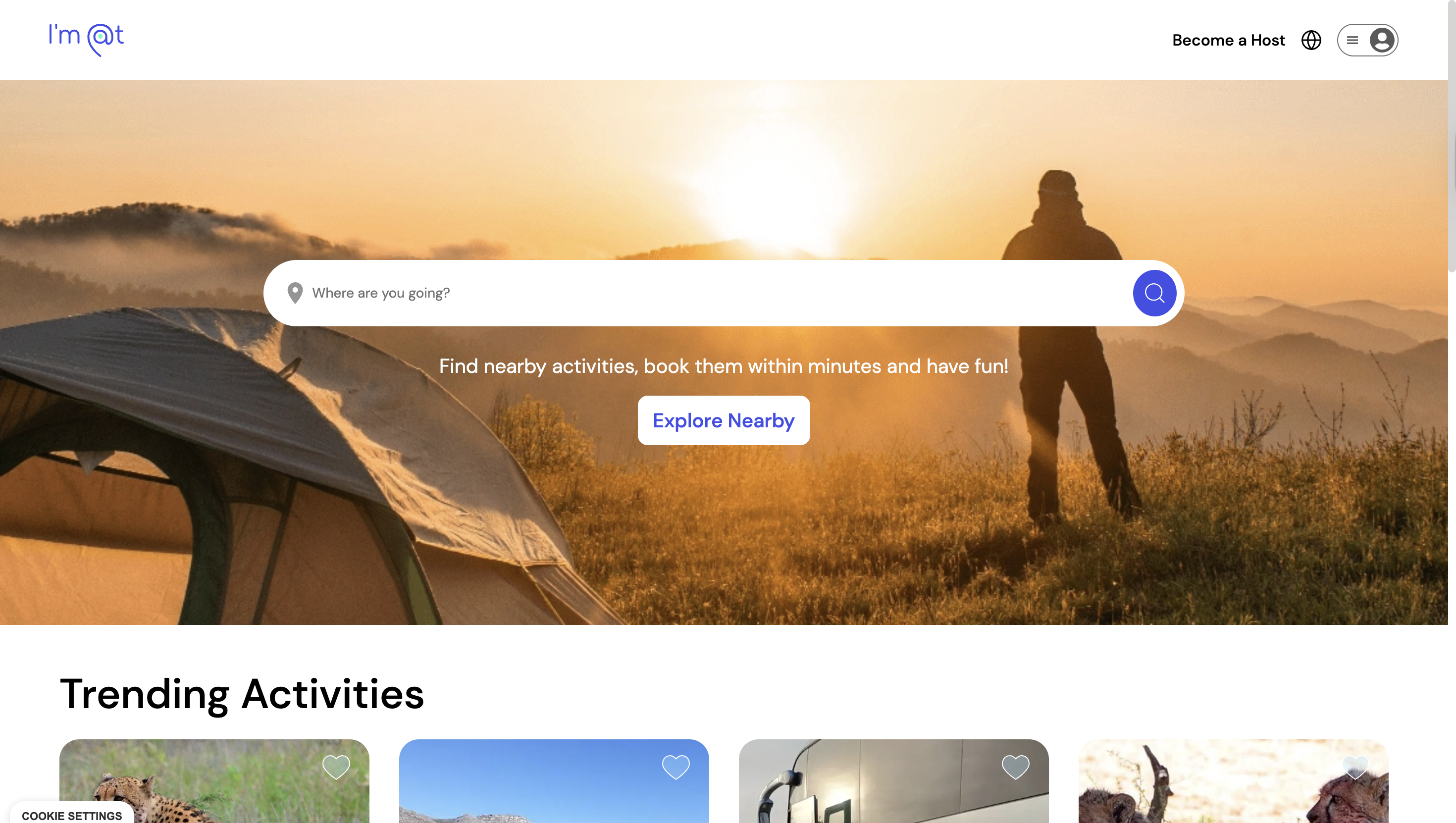
Im-at is built for exactly the scenario this article describes: a traveler who wants to book a complete experience in one place, and an operator who wants to reach that traveler without building a full booking infrastructure. The platform handles search, discovery, and payment, so operators can focus on delivering the experience rather than managing the technology. A day tour combining multiple sites, a private day trip with lunch included, or a cultural village experience are all live examples of the bundle formats covered in this article. Browse the Im-at catalog at im-at.com to see current listings or start listing your own activities today.
Useful sources and further reading
- Expedia Group: Travelers Want Full-Trip Booking — The primary survey source for the 77% and 95% figures cited throughout this article. Essential reading for any operator building a demand case for bundling.
- Mental Budget Study: Price Bundling and Extra Expenditure — Academic research published in Current Issues in Tourism explaining how bundles change on-trip spending behavior. Useful for operators designing multi-moment packages.
- Guest Focus: How to Bundle Tours for Bigger Profits — Practitioner guide covering operator-side revenue logic, with case examples of revenue uplift from complementary tour bundling.
- Scanflights: Bundling Your Travel Experiences — Practical overview of illustrative savings ranges by bundle type; useful for traveler-facing framing and operator pricing benchmarks.
- Bundling Sport Events with the Host Destination (Illinois) — Academic research on event and sport tourism bundling, including destination-level effects on length of stay and local spend.
- The Value of Event Sport Tourism Bundles (University of Otago) — Graduate research examining how bundled event-tourism products generate value for visitors and host destinations.
- Im-at Activity Catalog — Browse live bookable experiences across guided tours, cultural day trips, safaris, and adventure activities; useful for travelers and operators exploring real bundle formats.
- Im-at: Why Pre-Book Travel Activities — Im-at's traveler-facing guide to the benefits of pre-booking, with context on bundled activity purchases during hospitality stays.
- Im-at: Activity Variety and Trip Satisfaction — Covers how mixing activity types affects overall trip satisfaction, directly relevant to bundle design decisions.
- TINA: Team Activity + Dinner Bundle — A live example of a local operator bundling a team activity with dinner in Berlin; useful reference for event-plus-experience bundle formats.