
TL;DR:
- Neighborhood tours offer immersive experiences that boost physical health, cultural understanding, and social connection. They provide deeper storytelling, flexibility, and direct local access compared to bus or self-guided tours. Taking a neighborhood walk early in a trip helps build knowledge for smarter exploration and supports local communities through spending.
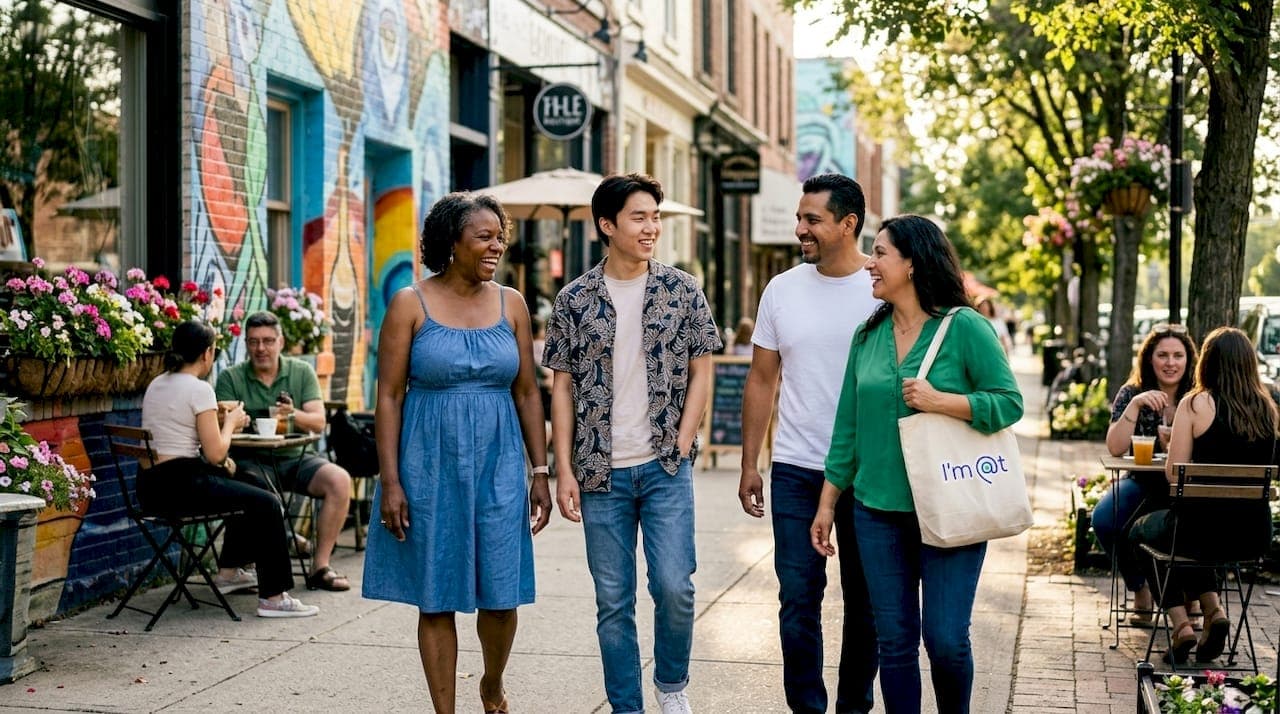
Neighborhood tours are curated walking experiences that immerse travelers and locals in the authentic culture, history, and daily life of a community. They go far beyond sightseeing. A skilled guide turns streets you have walked a hundred times into living stories about architecture, migration, food, and identity. If you have ever wondered why try neighborhood tours when you could simply wander on your own, the answer is simple: guided local exploration delivers health benefits, cultural depth, and social connection that solo wandering rarely achieves.
What are the key benefits of neighborhood tours?
Neighborhood tours deliver measurable physical, mental, and cultural benefits that most travel formats cannot match. The combination of movement, storytelling, and human connection makes them one of the most efficient ways to experience a place.
Physical health gains
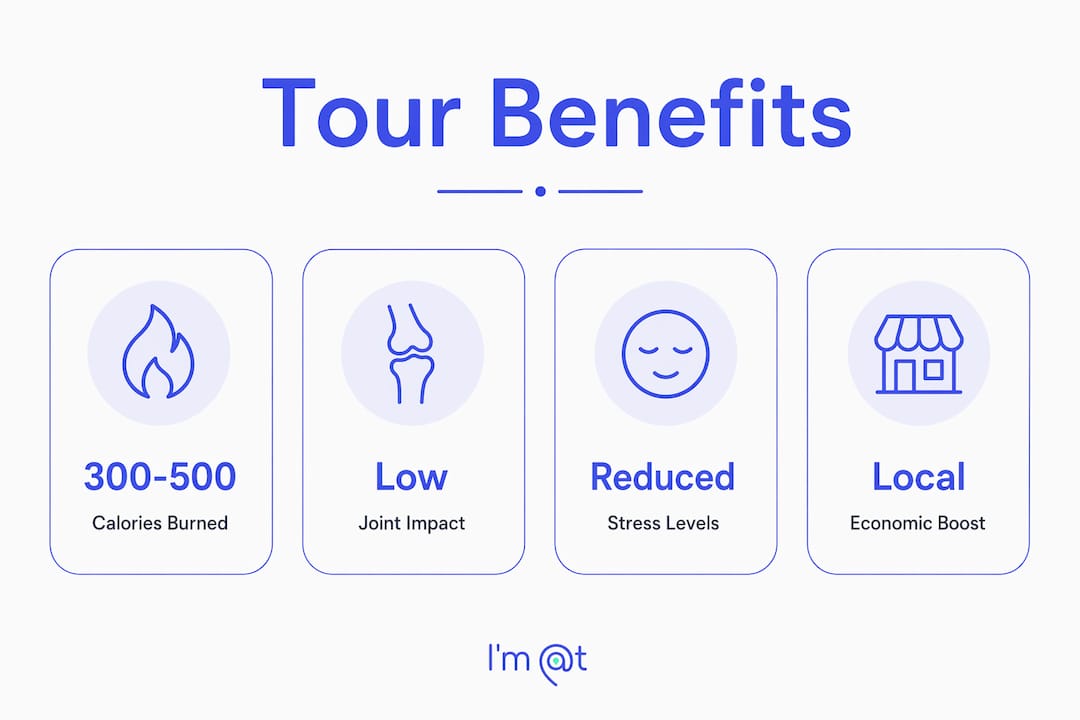
Walking tours burn 300–500 calories per day depending on terrain and pace. That calorie burn comes with low joint impact, making neighborhood walks accessible to most fitness levels. The same activity also aids melatonin production, which means better sleep after a full day of exploration. You get a workout without setting foot in a gym.

Mental and emotional rewards
Neighborhood tours build mindfulness and reduce stress by pulling your attention into the present environment. When a guide points out a 19th-century doorway or explains why a mural covers an entire block, your mind stops running its usual background noise. That focused attention is the same mechanism behind structured meditation. The result is genuine stress relief, not just distraction.
Neighborhood tours also function as a low-stakes exercise in empathy. Seeing a block through a long-term resident's eyes shifts your perspective on who lives there and why. That shift builds compassion and a more honest understanding of urban life.
Cultural immersion you cannot fake
Professional guides synthesize historical, architectural, and social data into stories that connect visitors with the built environment's full narrative. A bus tour shows you a building. A neighborhood tour tells you who built it, who was displaced to build it, and who lives there now. That layered storytelling is the core advantage of guided local exploration.
Pro Tip: Book your neighborhood tour on the first full day of any trip. An early tour builds a mental map that helps you avoid tourist traps and make smarter choices for the rest of your visit.
Environmental and social advantages
Walking tours produce no vehicle emissions. They also channel spending directly into local economies through tips, nearby cafes, and small shops. Supporting local businesses on neighborhood tours sustains the ecosystems that make authentic discovery possible in the first place. Every dollar you spend in the neighborhood you are touring helps keep that neighborhood worth touring.
How do neighborhood tours differ from other travel methods?
The differences between a guided neighborhood tour and other common travel formats are significant. Understanding them helps you choose the right experience for your goals.
| Format | Group size | Storytelling depth | Pace control | Local access |
|---|---|---|---|---|
| Guided neighborhood tour | Small (up to 19) | High, curated narratives | Flexible | Direct, guide-led |
| Large bus tour | 40+ passengers | Low, scripted commentary | Fixed route | Minimal |
| Self-guided walk | Solo or pair | None unless researched | Full | Depends on preparation |
| Generic city excursion | Variable | Moderate, landmark-focused | Moderate | Limited |
Guided neighborhood tours win on storytelling depth and local access. The small group format, typically capped around 19 participants, allows guides to answer questions, adjust pace, and take detours that a bus driver cannot. That flexibility is not a minor perk. It is the mechanism that produces genuine discovery.
Self-guided walks offer full pace control but require significant preparation to match the cultural depth a knowledgeable guide provides. Most travelers lack the hours of research needed to replicate what a local expert delivers in a single afternoon. The role of tour guides in shaping memorable travel is well documented: they compress years of local knowledge into a two to four hour experience.
Technology now supplements this model. AI and wearables augment community-curated discovery by surfacing lesser-known places, but they work best as tools that support a local guide rather than replace one. The human layer of interpretation remains irreplaceable.
What types of neighborhood tours are available?
The range of neighborhood tour formats is wider than most travelers expect. Knowing the categories helps you pick the experience that fits your interests and schedule.
- Walking history and architecture tours: These focus on the built environment, covering building styles, urban planning decisions, and the social forces that shaped a neighborhood over decades. Preservation Houston has run neighborhood architecture tours since 1979, with memberships starting at $60 giving access to a full calendar of walks.
- Culinary and food tours: Guides lead small groups through markets, bakeries, and local restaurants, connecting food to cultural identity. A Lisbon food and wine tasting tour in hidden gem neighborhoods is a strong example of this format done well. Local cuisine plays a central role in tourism and food tours make that connection explicit and delicious.
- Community discovery tours: Local hosts lead small groups through their own neighborhoods, sharing personal stories alongside historical context. These tours prioritize authenticity over polish.
- Private and tailor-made tours: Designed around your specific interests, these tours adjust route, pace, and content to match what you actually want to learn. They cost more but deliver a focused experience.
Specialized neighborhood discovery tours typically last about 4 hours and cost around $60 per person. Many include hotel pick-up, which removes the logistical friction of finding a meeting point in an unfamiliar city. That convenience matters more than it sounds when you are navigating a new place.
Pro Tip: When evaluating a tour, check whether the guide lives or has lived in the neighborhood. Guides with personal roots in an area consistently deliver richer, more specific stories than those who learned the route from a script.
To choose the right format, match the tour type to your primary goal. If you want historical context, book an architecture or history walk. If you want to eat well and understand local food culture, a culinary tour is the better fit. If you want full flexibility, a private or tailor-made option gives you control without sacrificing depth.
How do you find hidden local gems on neighborhood tours?
The most rewarding neighborhood experiences rarely appear in mainstream travel guides. Finding them requires a different approach to research and participation.
- Start with community collectives. Community collectives and local noticeboards are the most reliable sources for authentic, non-touristy neighborhood experiences. They outperform general guidebooks and commercial apps because the curation comes from people who live with the consequences of their recommendations.
- Attend local markets and workshops. These events concentrate neighborhood regulars in one place. A conversation with a vendor at a Saturday market often yields better recommendations than an hour of online research.
- Ask shop owners directly. A bookstore owner, a baker, or a hardware store clerk knows the neighborhood at street level. Ask them where they eat lunch or which block they walk through every morning. Those answers reveal the neighborhood that tourists never see.
- Use technology as a supplement. AI tools and location-based apps can surface lesser-known spots, but treat their suggestions as starting points. Local verification always comes next.
- Invite a local to guide you personally. Locals' embodied knowledge and personal routines reveal stories and places that formal tours miss. Moving at a local's pace, stopping where they stop, produces a quality of insight that no scripted tour can fully replicate.
Pro Tip: After any neighborhood tour, write down three things that surprised you. That list becomes your personal map for deeper exploration on a return visit. The guide to curating authentic local experiences on Im-at's blog offers a structured framework for doing exactly this.
What practical tips improve neighborhood tour experiences?
Preparation and active participation separate a good neighborhood tour from a great one. These habits make a consistent difference.
- Wear the right shoes. Comfortable, broken-in walking shoes are non-negotiable for a 3–4 hour tour. Blisters end curiosity faster than bad weather.
- Pack light. A small bag with water, a light layer, and a charged phone is all you need. Heavy bags slow your pace and shift your focus away from the experience.
- Ask questions throughout. Guides expect and welcome questions. A specific question, such as asking about a particular building's original use, often unlocks a story the guide did not plan to tell.
- Stay hydrated. Dehydration causes fatigue and reduces your ability to absorb information. Drink water before the tour starts and carry a bottle for the walk.
- Spend locally during and after the tour. Buy a coffee from the cafe your guide mentions. Pick up something from the market you pass. Spending locally on tours sustains the neighborhood economy and directly supports the community you came to understand.
- Leave a detailed review. Specific feedback helps future travelers and gives guides actionable information. Mention the exact story or stop that stood out.
Pro Tip: If you are a local exploring your own neighborhood, try a tour of an area you think you already know. Guided walks through familiar streets consistently reveal details that years of daily commuting never surface. Check Im-at for local excursions worth your time in your own city.
Key Takeaways
Neighborhood tours are the most efficient format for combining physical activity, cultural learning, and genuine local connection in a single experience.
| Point | Details |
|---|---|
| Physical health benefits | Walking tours burn 300–500 calories and improve sleep through melatonin production. |
| Mental and cultural depth | Guided storytelling builds mindfulness, empathy, and historical understanding in one walk. |
| Small groups matter | Tours capped around 19 participants allow flexible pacing and direct guide interaction. |
| Book early in your trip | A first-day tour builds a mental map that saves time and improves every decision after. |
| Spend locally | Buying from neighborhood businesses during tours sustains the authentic culture you came to experience. |
Why neighborhood tours changed how I travel
The first neighborhood tour I took that genuinely surprised me was in a city I thought I already knew well. I had visited the same district a dozen times, eaten at the same two restaurants, and assumed I had a fair read on the place. The guide, a woman who had grown up three blocks from our starting point, dismantled that assumption in the first 20 minutes.
She stopped in front of a building I had walked past without a second glance and explained that it had been a community bathhouse, then a political meeting hall, then a storage facility, and was now apartments. That single building held a century of social history. No app, no guidebook, and certainly no bus tour had ever pointed me toward it.
What I have come to believe, after years of seeking out these experiences, is that neighborhood tours are not really about information. They are about permission. Permission to slow down, look closely, and ask questions you would feel awkward asking a stranger on the street. The guide creates a social container where curiosity is expected and rewarded.
The travelers I have met who resist guided tours usually cite independence as their reason. I understand that instinct. But independence and guided exploration are not opposites. The best neighborhood tours leave you more capable of independent discovery, not less. You leave with a mental framework, a set of local contacts, and a list of places to return to on your own terms.
If you are a local who has never taken a tour of your own neighborhood, that is the experiment I would push hardest. The hidden gem tours format exists precisely for this: structured discovery in a place you think you already understand. The results are almost always humbling and almost always worth it.
— Mikahil
Neighborhood tours available now on Im-at
Im-at connects travelers and curious locals with curated, bookable experiences across destinations worldwide. The platform lists everything from intimate community walks to fully customizable adventures.
For travelers who want a personalized experience beyond a standard group walk, Im-at's tailor-made 4x4 tours offer custom routes built around your interests, pace, and schedule. Each tour is designed with a local guide who adapts the experience to what you actually want to see. Booking takes minutes, and the catalog covers a wide range of destinations and formats. Visit Im-at to browse current neighborhood and discovery tour options and find the experience that fits your next trip.
FAQ
What is a neighborhood discovery tour?
A neighborhood discovery tour is a guided walking experience that uses local knowledge to reveal the cultural, historical, and social layers of a specific urban area. Tours typically run 3–4 hours and are led by guides with direct ties to the neighborhood.
How much does a neighborhood tour cost?
Most specialized neighborhood discovery tours cost around $60 per person and last approximately 4 hours. Some organizations offer membership programs at similar price points that provide access to a full calendar of tours.
Are neighborhood tours good for first-time visitors?
Neighborhood tours are especially valuable for first-time visitors. Taking one on your first full day builds a mental map of the area and helps you identify local recommendations that replace generic tourist itineraries.
What should I bring on a neighborhood walking tour?
Bring comfortable walking shoes, a water bottle, and a light bag. Leave heavy luggage at your accommodation. A charged phone is useful for photos and navigation, but the guide handles the route.
Can locals benefit from neighborhood tours in their own city?
Locals consistently discover overlooked history, architecture, and community stories on guided tours of their own neighborhoods. Guided walks through familiar streets surface details that years of daily routine never reveal.