

TL;DR:
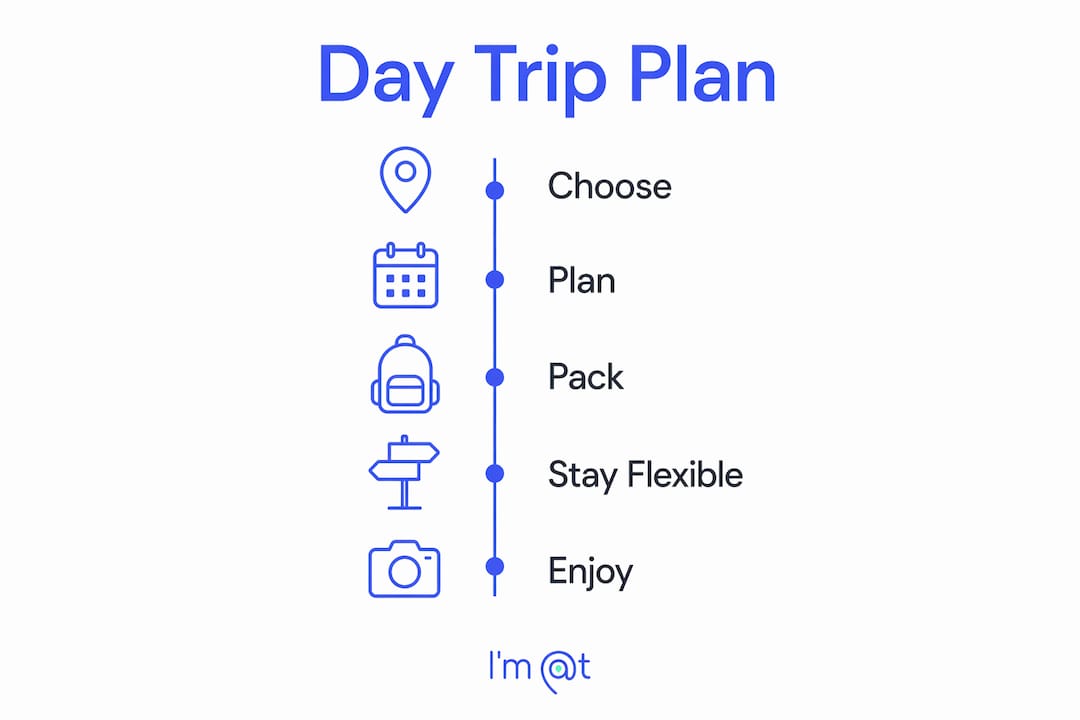
- A well-planned day trip should have a clear destination, realistic timing, and one main activity. Planning within a 67-minute average drive time helps maximize destination experience and comfort. Flexibility and simple packing ensure enjoyable, stress-free excursions.
A well-planned day trip is defined as a single-day excursion with a clear destination, a realistic travel window, and one anchor activity that anchors the entire schedule. The average one-way drive people comfortably tolerate is 67 minutes, with a practical outer limit of 3 hours or 180 miles. Knowing how to plan a day trip means working within that window, not against it. The travelers who get the most out of a single day pick one main attraction, add two or three supporting stops, and build in enough breathing room to actually enjoy themselves. This guide gives you the exact framework to do that.
How to choose the right destination for your day trip
The destination sets the tone for everything else. Choose wrong and you spend the day fighting crowds, long drives, or mismatched expectations.

Start with a distance filter. A 3-hour radius, 180 miles from home gives you the full range of reachable spots without burning half the day in the car. Most travelers find the sweet spot sits closer to the 60-to-90-minute mark, which leaves more time at the destination.
Use the concentric circle method to find your options. Mapping destinations at 30, 60, and 120 minutes from home reveals overlooked local gems that most people drive past on the way to more famous spots. A small coastal town, a state park, or a historic district often delivers a richer experience than a crowded tourist hub two hours away.
Once you have a shortlist, evaluate each spot by type:
- Nature escapes: hiking trails, waterfalls, lakes, and scenic drives
- Cultural towns: historic districts, local markets, and art galleries
- Festival or event days: seasonal fairs, food festivals, and outdoor concerts
- Relaxation spots: spas, vineyards, and quiet beach towns
Check Google Maps' "Photos" tab before committing. Authentic destinations show photos of landscapes, food, and attractions. If the photo feed is mostly selfies, the place is likely more popular for its Instagram appeal than its actual experience.
Budget matters too. A typical day trip costs around $67 when you add gas, entry fees, food, and a small emergency fund. That number helps you compare destinations honestly before you commit.
Pro Tip: Search for "hidden gem" tours on Im-at to find curated local experiences that go beyond the obvious tourist stops. These listings often surface activities that don't appear in standard travel searches.
How to plan your travel and transportation logistics
Transportation is where most day trips lose time. Getting this right means more hours at your destination and less time stuck in traffic or hunting for parking.
Choose your transport mode based on three factors: cost, convenience, and total door-to-door time. A car gives you flexibility but adds parking friction. A train or bus removes that friction but locks you into a fixed schedule. A bike works beautifully for destinations within 20 miles if the route is safe and scenic.
Follow these steps to lock in your logistics:
- Set your departure time first. Work backward from your latest acceptable return time. If you need to be home by 9:00 PM and the drive is 90 minutes, your latest departure from the destination is 7:30 PM.
- Add 15–30% to map estimates. Real road distances run 15–30% longer than straight-line estimates. A route that looks like 60 minutes on a map often takes 75–80 minutes in practice.
- Book ahead whenever possible. Booking trains, car rentals, and skip-the-line tickets in advance removes the biggest source of day-trip stress: arriving and finding no availability.
- Account for parking time. Add 15 minutes for parking searches in busy areas. In city centers, factor in a walk from the lot to your first stop.
- Keep total transport under 5 hours round trip. A 2-to-3-hour maximum one-way drive is the upper limit before traveler fatigue starts cutting into enjoyment.
Pro Tip: Download offline maps for your destination before you leave. Cell service drops in rural areas, and a downloaded map costs nothing but saves real frustration.
How to build a balanced and flexible day trip itinerary
The itinerary is the backbone of the day. Build it too tight and you spend the trip rushing. Build it too loose and you waste hours deciding what to do next.
Start with your anchor attraction. This is the one non-negotiable stop that justifies the trip. Every other decision flows from it. If the anchor is a waterfall hike, you schedule it for peak energy, usually mid-morning. If it's a sunset viewpoint, you build backward from that fixed time.
Fixed time blocks like timed entry tickets, meal reservations, transport departures, and sunset windows are non-negotiable. Place these on your schedule first, then fill the gaps with flexible stops.
A balanced day trip itinerary looks like this:
| Time | Activity | Notes |
|---|---|---|
| 7:30 AM | Depart home | Beat peak traffic |
| 9:30 AM | Arrive, anchor attraction | First stop while energy is high |
| 12:30 PM | Lunch break | Pre-book or have a backup cafe |
| 2:00 PM | Secondary stop | Museum, market, or scenic walk |
| 4:00 PM | Optional third stop or buffer | Skip if the group needs rest |
| 5:30 PM | Depart for home | Avoids late-night fatigue |
Add two or three secondary stops, but treat them as optional. If the anchor attraction runs long because everyone is loving it, drop a secondary stop without guilt. The goal is enjoyment, not completion.
Build in meal and rest breaks before the group gets hungry or tired. Hunger and fatigue are the two fastest ways to turn a good trip into a tense one. Schedule lunch before noon if you started early, and plan a coffee or snack stop in the afternoon.
Prepare at least one backup plan. Weather changes, attractions close unexpectedly, and crowds sometimes make a spot unpleasant. A nearby indoor option, like a local museum, a bookshop, or a cafe with character, gives you a graceful exit from a bad situation. You can find hidden gem alternatives for most destinations with a little research before you leave.
Effective day trips focus on one main attraction plus dining and light exploring. That formula consistently produces more satisfaction than an overpacked schedule.
What to pack for a day trip
Packing light but smart separates a comfortable day from a frustrating one. You don't need a large bag. You need the right items.
The core packing list covers comfort, safety, and contingency:
- Water bottle: Bring at least 32 oz. Dehydration causes fatigue faster than most travelers expect.
- Snacks: Trail mix, fruit, or energy bars keep energy stable between meals.
- Sun protection: Sunscreen, sunglasses, and a hat matter even on overcast days.
- Power bank: A fully charged portable battery keeps your phone alive for maps, photos, and emergency calls.
- Weather layer: A light jacket or packable rain shell adds almost no weight and solves a lot of problems.
- First aid basics: Bandages, pain reliever, and any personal medications.
- Cash and backup tickets: Digital tickets can fail. A printed backup or cash for entry fees removes that risk.
Packing essentials like a power bank, sunscreen, snacks, and weather-appropriate clothing directly improve comfort and preparedness. These items are cheap insurance against common day-trip problems.
Save your itinerary, key addresses, and emergency contacts offline. Share your plan with someone who isn't on the trip. This takes two minutes and adds a real safety layer, especially for solo travelers or remote destinations.
Pro Tip: Pack a small reusable bag inside your main bag. It's useful for souvenirs, wet gear, or separating snacks from electronics.
How to stay flexible when your day trip doesn't go to plan
Flexibility is not a backup plan. It's a core skill. The best day-trippers treat the itinerary as a starting point, not a contract.
Build buffer time between every major stop. Fifteen minutes between activities sounds small, but it absorbs a slow parking situation, a longer-than-expected walk, or a spontaneous detour that turns out to be the highlight of the day.
When things go wrong, use this approach:
- Attraction is closed or overcrowded: Activate your backup stop immediately. Don't spend 30 minutes debating. Move.
- Weather turns bad: Shift to your indoor alternative. Rainy days at a local museum or a guided indoor tour often become the most memorable part of a trip.
- The group is tired earlier than expected: Cut the optional stops and head to a comfortable cafe or scenic spot to rest. A relaxed ending beats a rushed one.
- Transport delay: Use the wait time productively. Explore the immediate area, grab a coffee, or review photos from the day.
Managing group energy is as important as managing the schedule. Check in with your travel companions at each stop. A quick "are we good to keep going?" prevents the slow build of unspoken frustration that ruins the last hour of an otherwise great day.
The goal is not to execute a perfect plan. The goal is to have a good day. Those two things are not always the same.
Key takeaways
A successful day trip requires a realistic travel radius, one clear anchor activity, and enough flexibility to adapt when the day shifts.
| Point | Details |
|---|---|
| Set a travel limit | Keep one-way drive time under 3 hours to preserve energy for the destination. |
| Pick one anchor activity | Build the entire schedule around one main attraction and treat everything else as optional. |
| Add buffer time | Schedule 15-minute gaps between stops to absorb delays and spontaneous detours. |
| Pack smart, not heavy | Bring a power bank, water, snacks, sun protection, and a weather layer as your baseline. |
| Prepare a backup plan | Identify one indoor or nearby alternative before you leave, so bad weather never ruins the day. |
Why I stopped over-planning my day trips
I used to build day trip itineraries like project plans. Six stops, timed to the half hour, with restaurant reservations and pre-purchased tickets for everything. The result was a day that felt like a sprint. I checked boxes instead of actually experiencing places.
The shift came when I started treating the anchor attraction as the only fixed point and letting everything else breathe. A trip to a coastal town became genuinely enjoyable when I stopped scheduling the afternoon and just walked. We found a fish market, a local bakery, and a viewpoint that wasn't in any guide. None of that was on the original plan.
The research backs this up. Avoiding over-planning and focusing on one main activity plus dining and light exploring consistently produces more satisfying trips. That's not just good advice. It's what actually happens when you give the day room to develop.
The other thing I've learned is that the concentric circle approach to finding nearby destinations changes how you see your own region. Most people drive two hours to a famous spot and ignore a dozen interesting places within 45 minutes of home. Those closer spots are often less crowded, cheaper, and just as rewarding.
Plan the bones. Leave the flesh to the day itself.
— Mikahil
Ready to find your next day trip experience?
Planning the logistics is only half the work. Finding an experience worth building your day around is the other half. Im-at makes that second part fast and easy.

Im-at connects travelers with curated activities, guided tours, and outdoor adventures across destinations worldwide. Whether you want a tailor-made 4×4 tour through rugged terrain or a unique cultural experience that works as a perfect anchor activity, Im-at's catalog covers it. You can search by location, filter by activity type, and book directly through the platform in minutes. For travelers who want a day trip built around something genuinely memorable, Im-at is the place to start.
FAQ
What is the ideal travel distance for a day trip?
The ideal one-way distance is under 3 hours or 180 miles. Most travelers find the 60-to-90-minute range delivers the best balance of variety and destination time.
How many stops should a day trip itinerary include?
One anchor attraction plus two or three optional secondary stops is the right structure. Packing in more than four stops typically leads to rushing and reduces overall enjoyment.
What should I always pack for a day trip?
The non-negotiables are a water bottle, snacks, a power bank, sun protection, a weather layer, and offline maps. Cash and a printed or digital backup ticket round out the list.
How do I handle bad weather on a day trip?
Identify one indoor backup option before you leave. A local museum, a guided indoor tour, or a well-reviewed cafe gives you a ready alternative without scrambling on the day.
How do I find hidden gem destinations near me?
Use the concentric circle method: map destinations at 30, 60, and 120 minutes from home. Check the Google Maps "Photos" tab to verify authenticity, and use platforms like Im-at to find curated local experiences that go beyond standard tourist spots.